brian lubbers

Animal Health, Central Region, Kansas, Livestock

Experts encourage Beef Quality Assurance certification

What started as a effort to reduce injection-site lesions in beef has evolved into one of the most comprehensive training programs in the cattle industry. Read More

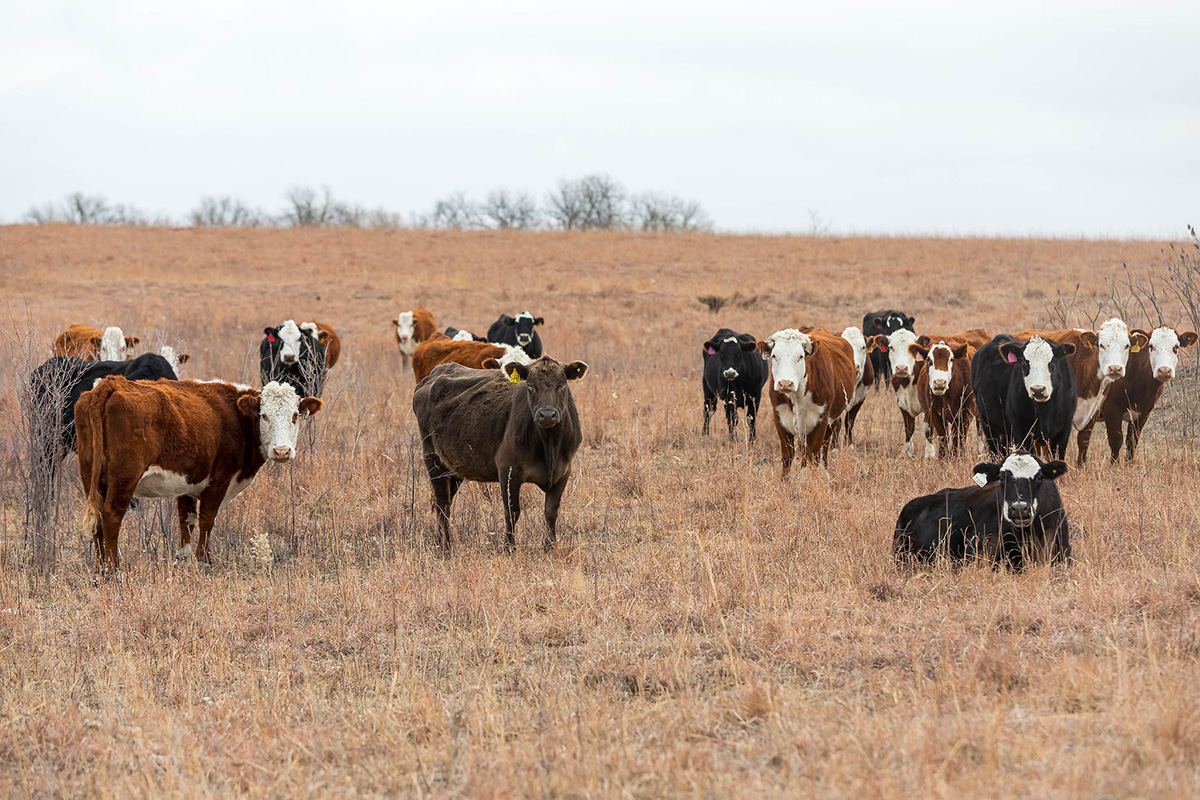
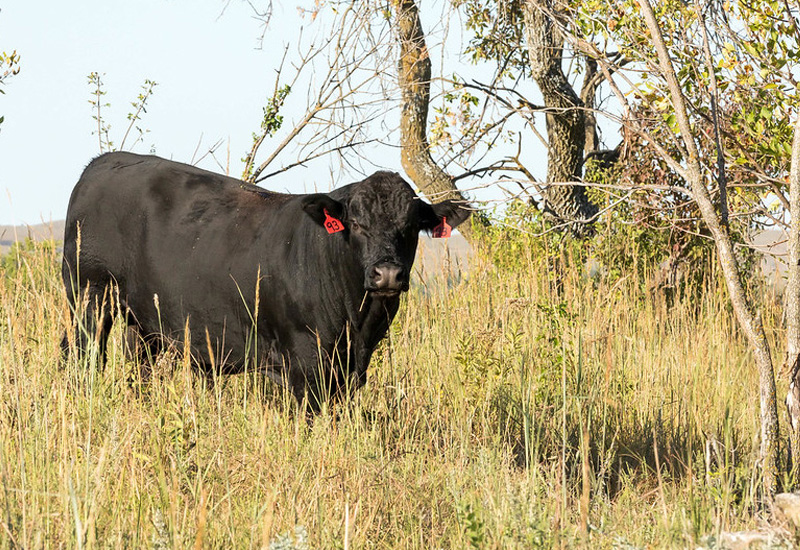
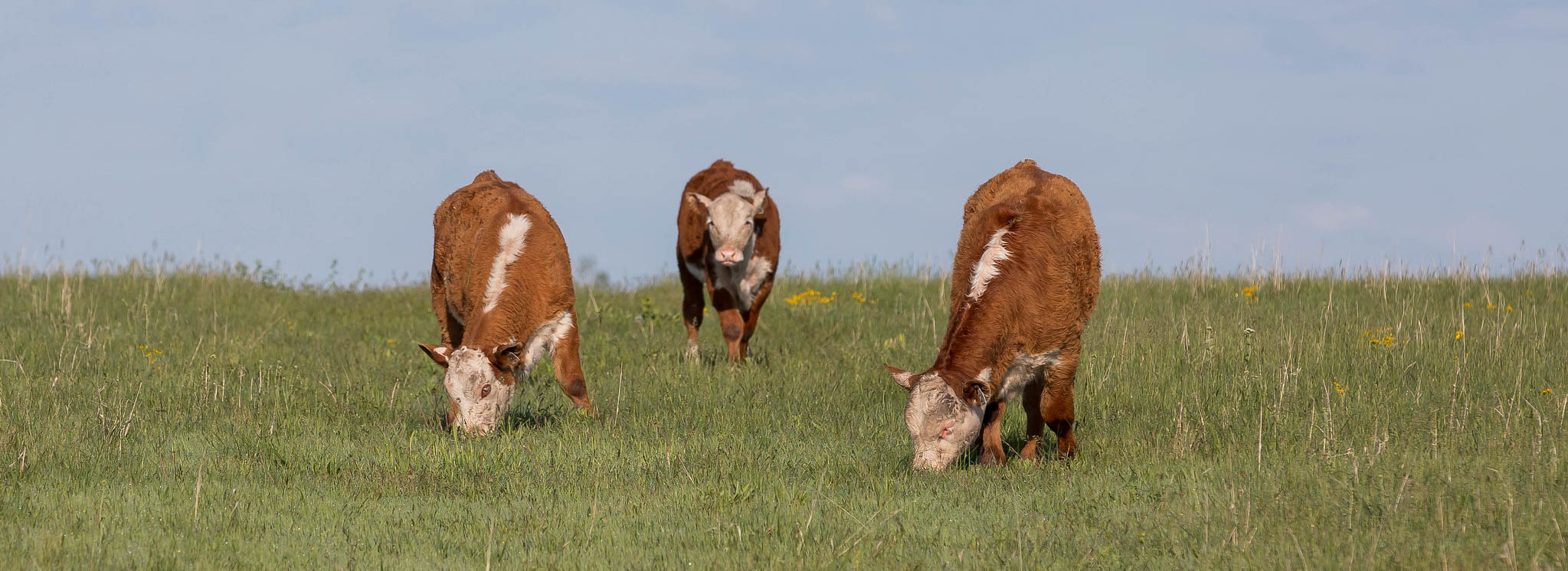
The goal of each cattle operation is for the cows to produce a calf each year, say the veterinarians at the Beef Cattle Institute. (K‑State Research and Extension)

Deciding to keep or cull cows

  • By Lisa Moser │ K-State Research and Extension news service
Cattle gain a higher amount of lean tissue early in the cattle feeding period and deposit more fat as they age, according to K-State beef cattle nutritionist Phillip Lancaster. (K-State Research and Extension)

Managing weight gain in cattle

  • By Lisa Moser │ K-State Research and Extension news service
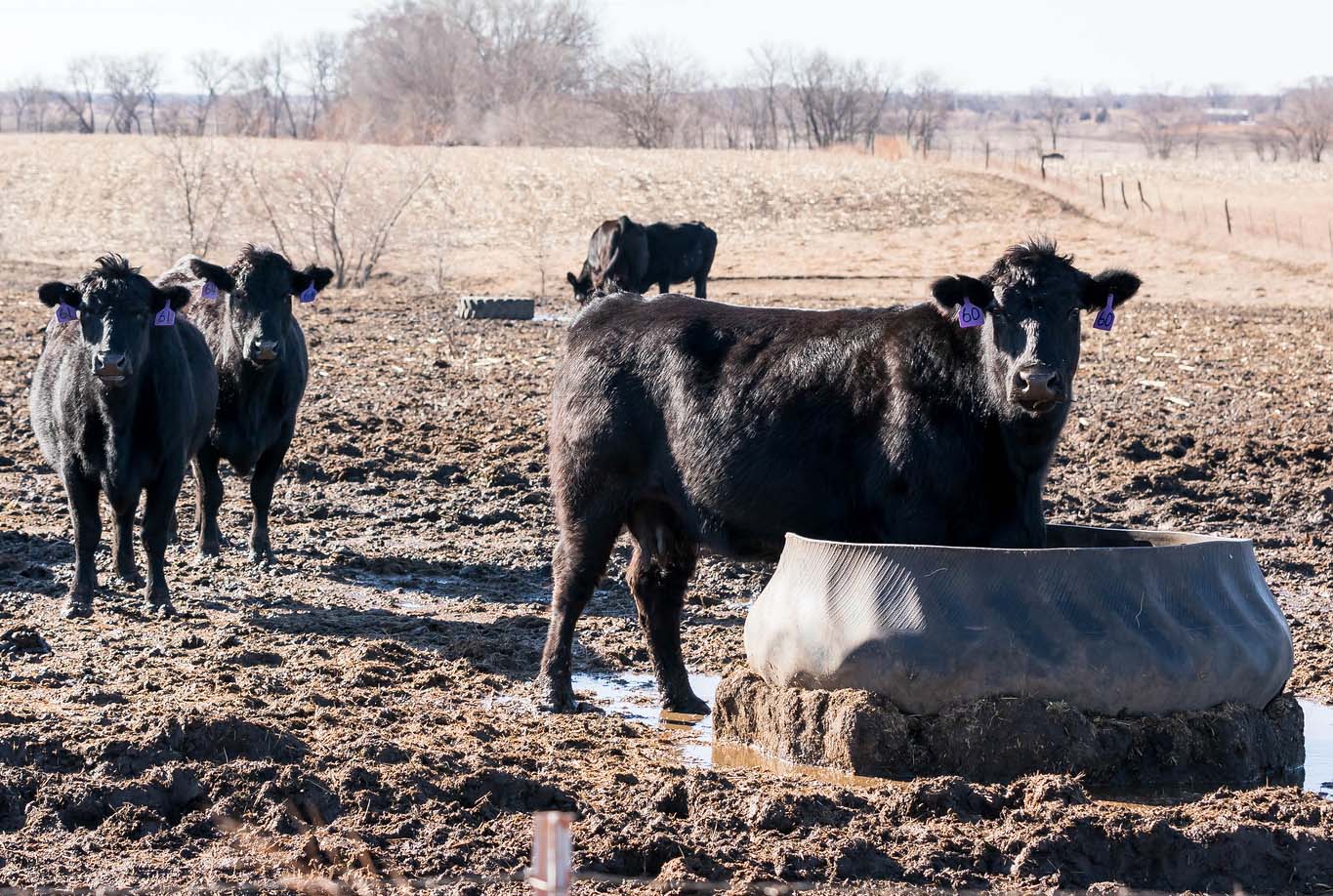
K-State experts say mud can negatively impact the health of cattle. (Photo: K-State Research and Extension)

Managing mud

  • By Lisa Moser │ K-State Research and Extension news service
As cows age, their metabolism can change, K-State beef cattle nutritionist Phillip Lancaster said. (Photo: K‑State Research and Extension)

Special needs for old cows

Feeding time with cows (PHOTO: courtesy of Kansas State University Research & Extension)

Strategy for increasing feed efficiency for cows

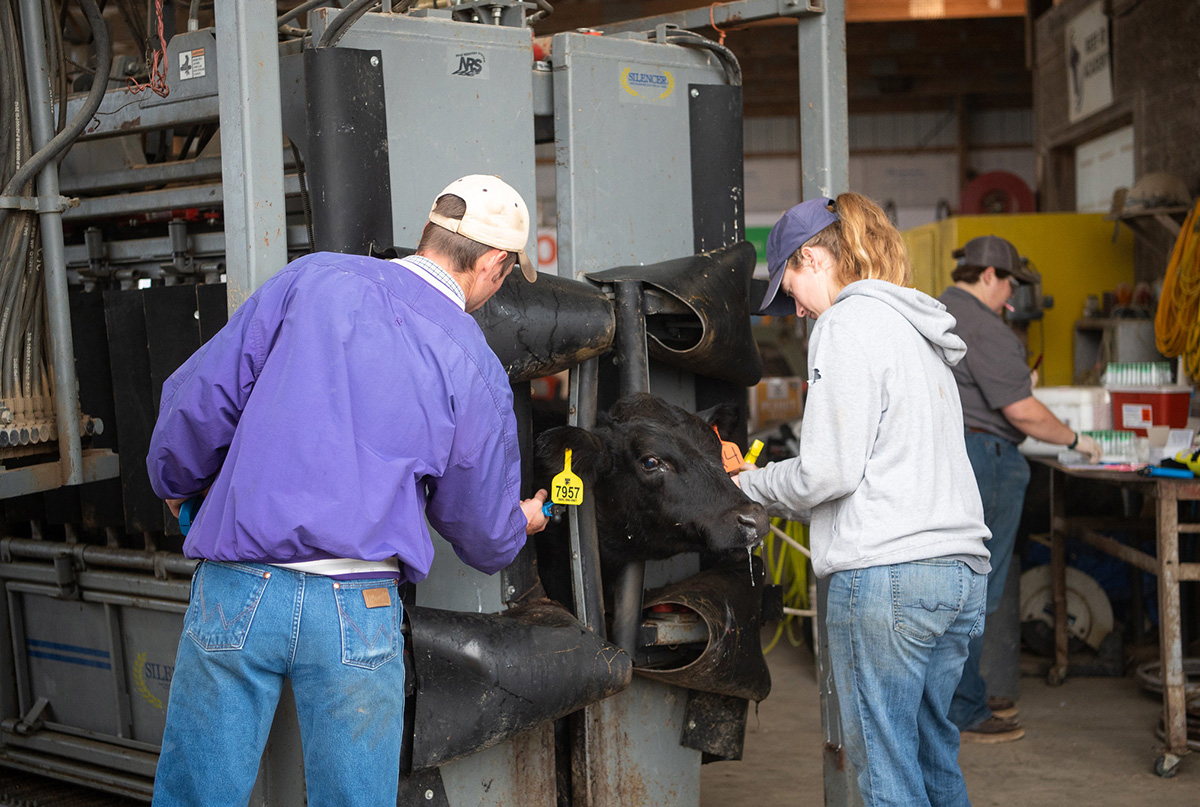
A calf receiving vaccinations (Photo: K-State Research and Extension)

Vaccination limits

  • By Lisa Moser │ Kansas State University Research and Extension
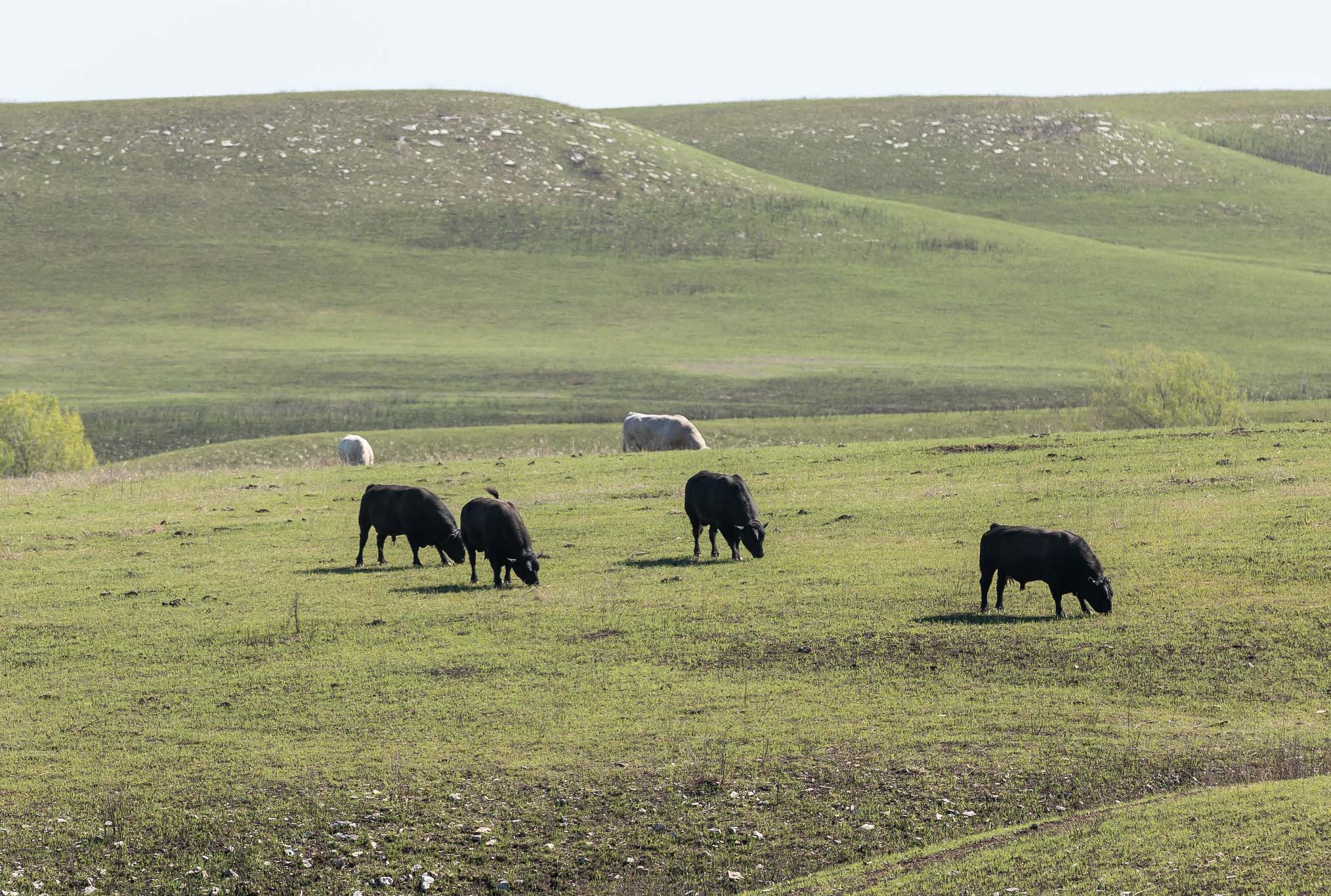
(Photo: K-State Research and Extension news service)

Bull management in the fall

  • By Lisa Moser │ Kansas State University Research and Extension
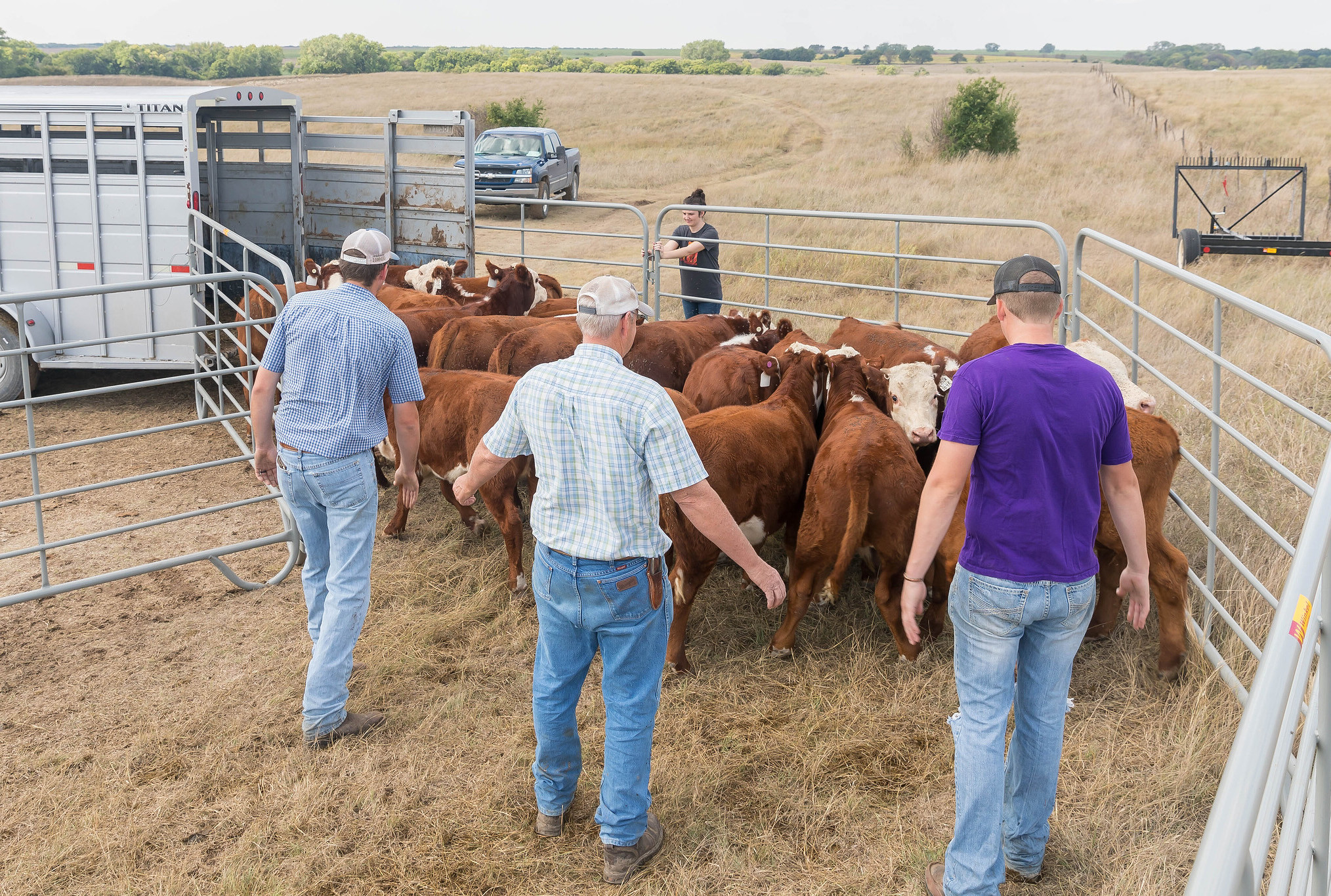
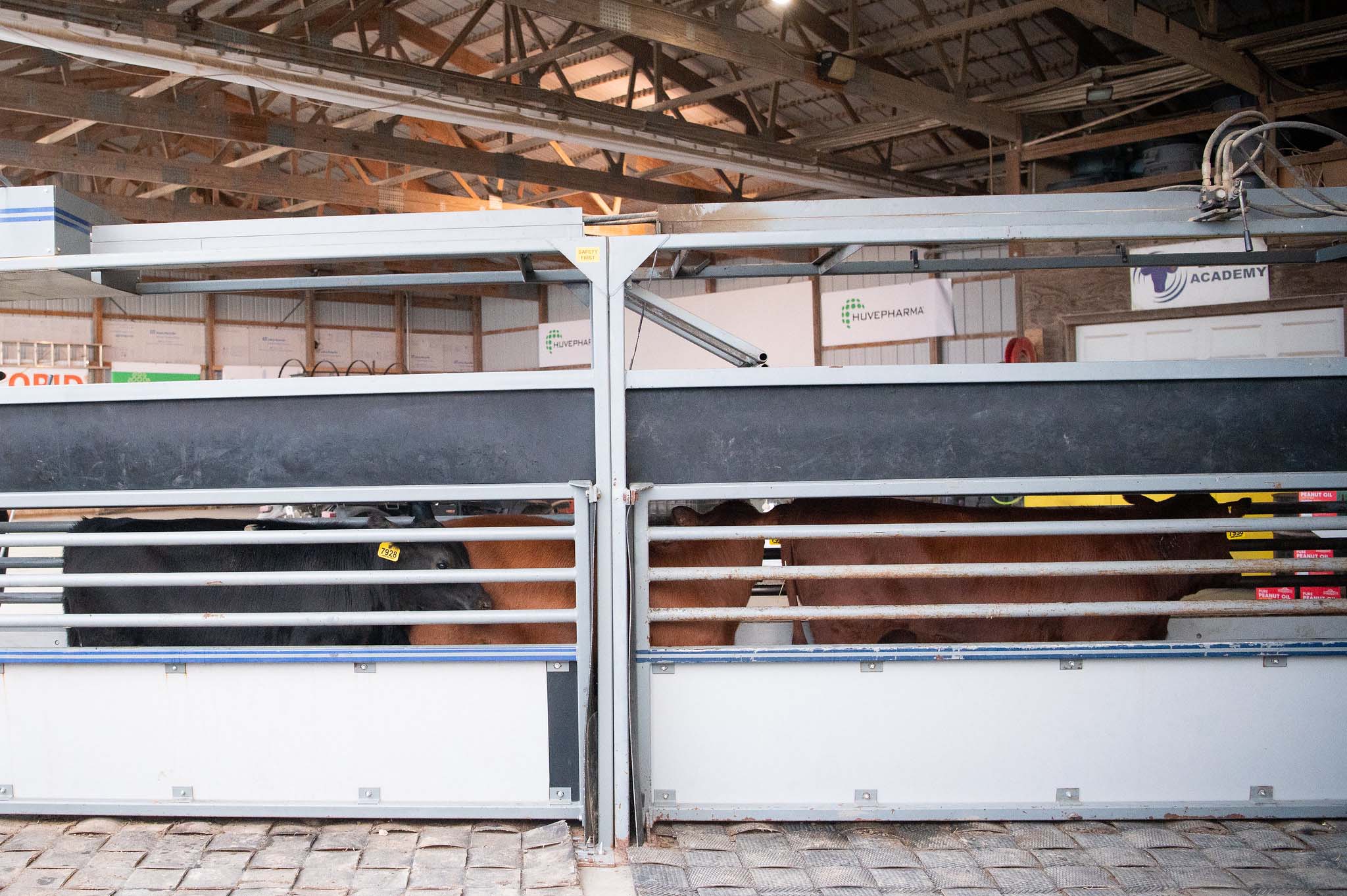
Loading calves gently can help to minimize the amount of stress that calves experience, said K-State veterinarians. (Photo: K-State Research and Extension)

Preparing calves for the auction