
The United States stock market soared by 1,100 points on May 12 on the news that U.S. and Chinese trade negotiators in Switzerland had secured a 90-day interim reduction in tariff rates.
Here is what we know about the agreement, which was touted by the White House, which called the deal “a path for future discussions to open market access for American exports.”
- The U.S. and China will each lower tariffs by 115% while retaining an additional 10% tariff. This will lower tariff rates to 30% for incoming Chinese-made goods, and 10% on U.S. goods heading to China. Other U.S. measures will remain in place. Both sides will take these actions by May 14.
- While the U.S. will remove the additional tariffs it imposed on China on April 8 and April 9, it will retain all duties imposed on China prior to April 2, including Section 301 tariffs, Section 232 tariffs, tariffs imposed in response to the fentanyl national emergency invoked pursuant to the International Emergency Economic Powers Act, and Most Favored Nation tariffs.
- The U.S. will suspend its 34% reciprocal tariff imposed on April 2 for 90 days, but retain a 10% tariff during the period of the pause.
“The 10% tariff continues to set a fair baseline that encourages domestic production, strengthens our supply chains and ensures that American trade policy supports American workers first, instead of undercutting them,” the White House said.
“When these changes come into effect, both nations agreed to establish a mechanism to continue important discussions about trade and economics,” indicating that the “rebalancing” is not yet complete.
The U.S. goods trade deficit with China was $295.4 billion in 2024—the largest with any trading partner. President Donald Trump has said in interviews that the agreement’s merit is that it opens Chinese markets to more American goods. But commentators have noted a lack of detail about Chinese non-tariff barriers.
China also promised to “take aggressive actions” to stem the flow of fentanyl and other precursors from China to illicit drug producers in North America.
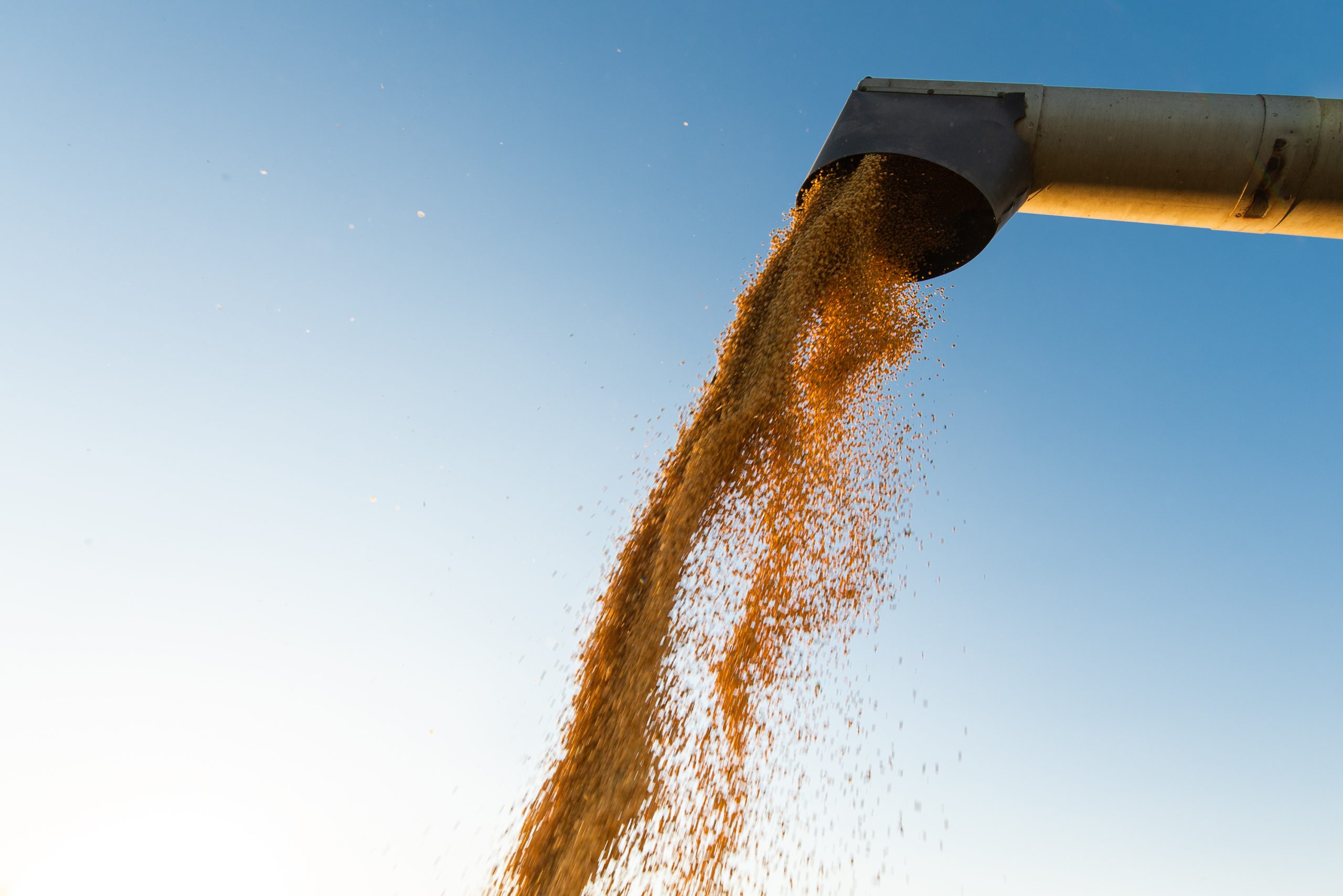
Commodity groups and ag groups have been monitoring the temporary relief in tariffs with hopes it can rekindle imports into China.
American Soybean Association president and a farmer Caleb Ragland, who grows soy in Kentucky, said, “We are very pleased with these first steps toward resolution and appreciate that President Trump has heard our requests to quickly come to the negotiation table for agriculture producers and others who stand to suffer financial losses and lose hard-earned relationships. Farmers want to play their part in supporting broad-based, long-term solutions to the administration’s concerns and help our fellow U.S. citizens when possible; but we cannot sustain tariffs that are exponentially higher than those of the first China trade war, which knocked out our largest export market overnight, if they linger into our fall harvest season. We hope that a deal can be reached in which China commits to robust purchases of U.S. soybeans and other products very soon.”
In the most recent marketing year, U.S. exporters shipped 46.1 million metric tons of soybeans to foreign markets, accounting for over $24 billion in sales. Of those exports, nearly 25 MMT of soybeans went to China. That volume represents 54% of U.S. soybean exports and accounts for $13 billion in value for U.S. soybean farmers.
“We are encouraged to see the administration responding to the concerns of farmers and ranchers by taking steps to ease trade tensions with China,” said National Farmers Union President Rob Larew. “Farmers spent years developing China into an important market for many agricultural products; future trade agreements must build on these decades of work. While today’s news is a positive next step, farmers continue to face significant uncertainty. We are watching these negotiations closely and expect any future deal to deliver lasting, meaningful benefits for America’s family farmers and ranchers.”
David Murray can be reached at [email protected].



