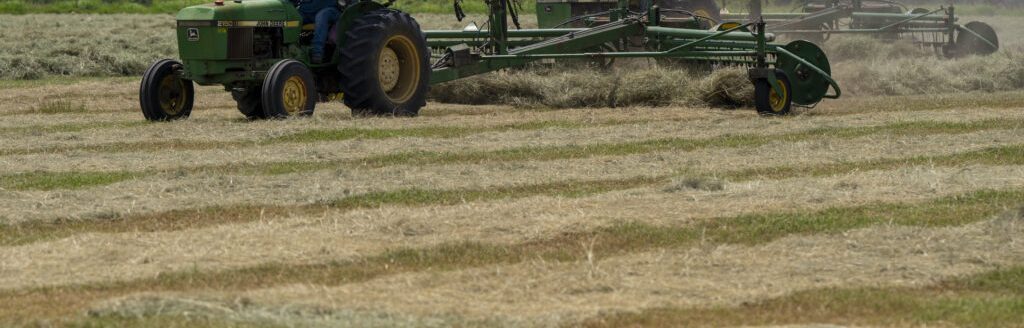
It’s time for the first cutting of alfalfa, and as you’re out in the fields, it’s a prime opportunity to spot any issues and plan corrective actions. But what should you be looking for?
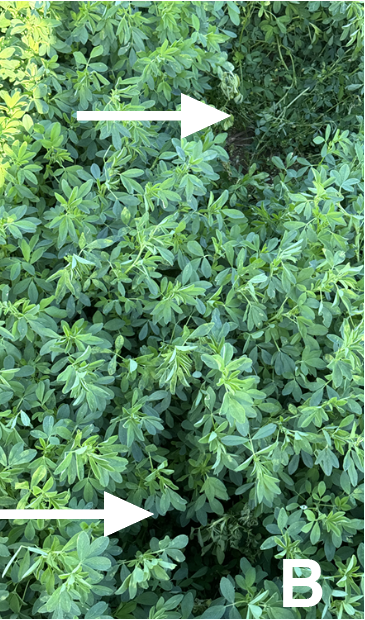
First, check the color of your alfalfa. A uniform green is ideal. Dark green may indicate water stress, while yellow, purple, blue-green, or red hues, interveinal chlorosis, misshapen leaves, or patchy growth could signal nutrient deficiencies. While some issues are hard to fix mid-season, adjusting micronutrients like boron and sulfur can boost yields, especially in low organic matter soils. Confirm any deficiencies with soil or tissue samples.

Keep an eye out for diseases and insect pressure. If you see something unusual, step out and inspect the plants or use a sweep net—or even your ball cap—to catch pests.
Watch for thinning areas in your stand. If interseeding alfalfa isn’t an option due to autotoxicity, consider warm-season annuals like teff for a summer yield boost while maintaining hay quality. For longer-term solutions, interseed with perennial forage grasses like orchardgrass during cooler months.
Finally, be vigilant for weedy patches. Problem plants like Canada thistle should be avoided or flagged for separate handling to control their spread. Note other weeds for future scouting and control.
Harvest time is perfect for field assessment. Look for standout spots and monitor for fertility issues, insects, weeds, and diseases. If stands are lacking, interseeding with annuals or perennials can help keep your productivity high.
Ben Beckman is an Extension educator in northeast Nebraska.