
Record corn exports and production lowered in latest WASDE
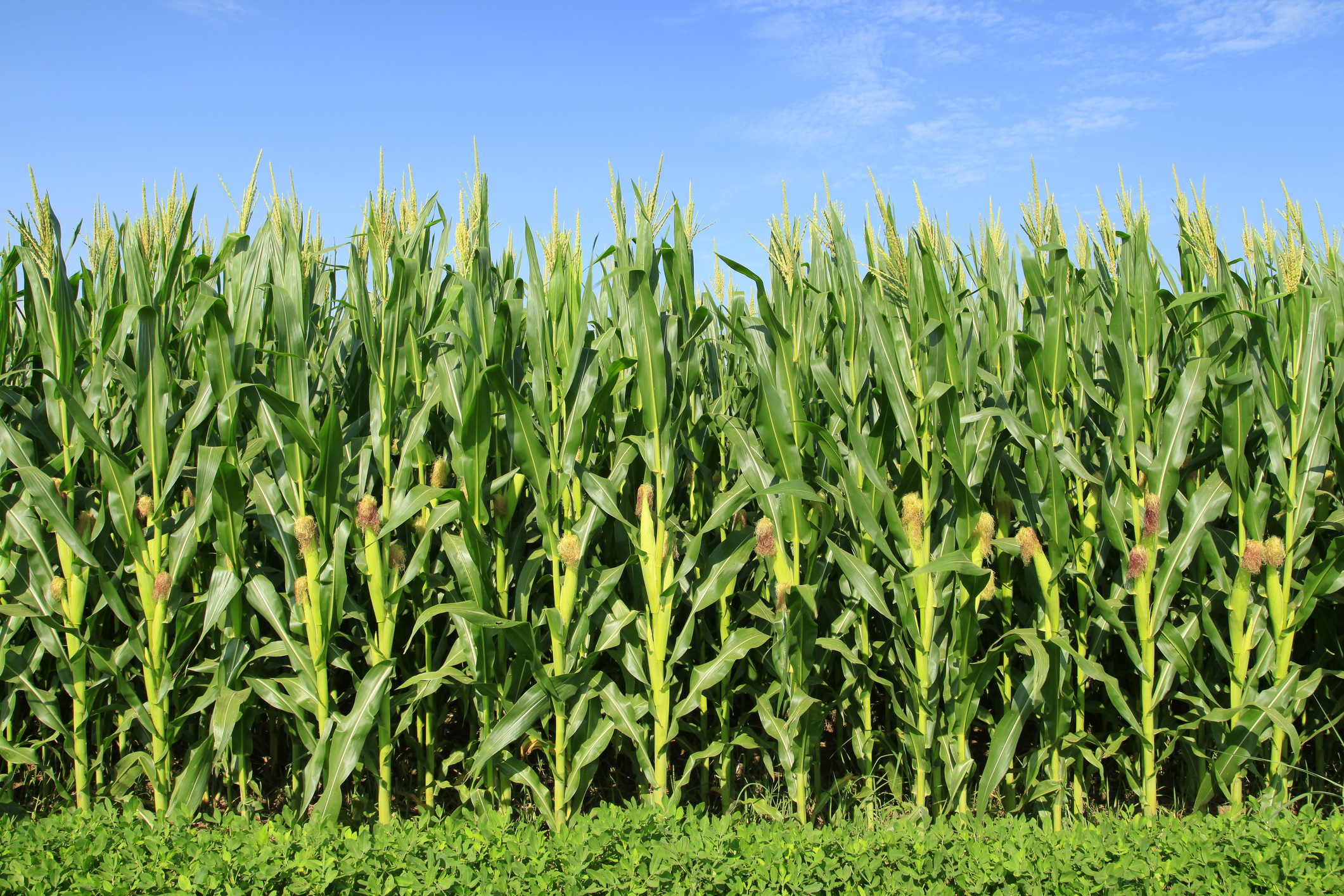
Corn exports were adjusted upward by 100 million bushels to a record 2.75 million bushels in the July 11 World Agricultural Supply and Demand Estimates, while corn production estimates were lowered slightly to agree with pre-report estimates by 115 million bushels to 2.75 billion bushels.
The 2025-26 corn production was lowered by 115 million bushels to 15.7 billion bushels. It was also the first WASDE to take account of adjusted rules from the Environmental Protection Agency that boosted demand for soybean oil and other renewable fuel feedstocks.
Global coarse grain production for 2025-26 was forecast to be 3.6 million tons lower to 1.547 billion tons. This month’s 2025-26 foreign coarse grain outlook was for lower production, total use, and stocks compared to last month. Foreign corn production was raised, reflecting area increases for Canada and Mexico.
For 2024-25, corn production was raised for Brazil and the Philippines with a partly offsetting decline for Mexico. Brazil corn yield expectations were boosted based on reported safrinha (second planting) crop harvest results for the Center-West.
Major global trade changes for 2025-26 include larger corn imports for Zimbabwe and Egypt, but reductions for Canada and Mexico. For 2024-25, corn exports were raised for the United States and Canada but lowered for Turkey. Foreign corn ending stocks for 2025-26 were cut, with reductions for China and India partly offset by an increase for Brazil. Global corn stocks, at 272.1 million tons, were down 3.2 million tons.
U.S. yield projection remains at 181 bushels per acre. The season-average farm price received by producers is estimated at $4.20 a bushel.
EPA rule changes boost soybean outlook
The 2025-26 outlook for U.S. soybeans shows slightly lower production, higher crush, reduced exports, and increased ending stocks compared to last month. Soybean production was projected at 4.3 billion bushels, down 5 million bushels from the previous month on lower harvested acres and an unchanged yield of 52.5 bushels per acre. U.S. soybean crush for 2025-26 was raised by 50 million bushels to 2.54 billion bushels, supported by higher demand for soybean oil for biofuel.
This month’s report assumes the EPA’s proposed rule for required Renewable Fuel Standard volumes for 2026 and 2027 when evaluating soybean oil demand. EPA not only significantly raised the mandates, but also proposed to reduce the number of Renewable Identification Numbers generated for imported renewable fuels and renewable fuels produced from foreign feedstocks starting in 2026, which increases demand for domestically produced feedstocks like soybean oil.
Along with EPA’s proposed rule, the forecast considered additional policy incentives like the 45Z Clean Fuel Production Tax Credit and current state mandates. As a result, soybean oil used for biofuel for 2025-26 was raised 1.6 billion pounds to 15.5 billion pounds, reflecting a 23% increase from the prior 3-year average.
Given higher domestic demand for biofuel, soybean oil imports were raised and exports were reduced. Soybean oil in the residual category (food, feed and other industrial use) was unchanged. Higher stocks at biofuel facilities that fall into this category could displace other uses, which were expected to be partially offset by higher use of canola oil and palm oil. Soybean oil ending stocks were raised by 0.1 billion pounds to 1.7 billion. With higher soybean oil prices supporting crush margins and higher crush in 2025-26, soybean meal production was raised 1.2 million short tons. Domestic disappearance was increased by 0.5 million short tons to 41.8 million, a 3% increase over the prior year.
U.S. soybean export estimates for 2025-26 were lowered by 70 million bushels to 1.75 billion bushels on higher U.S. domestic demand, higher exports for Argentina and Ukraine, and larger Brazilian supplies at the end of September during the U.S. peak export season.
With lower U.S. soybean exports partly offset by higher crush, ending stocks were increased 15 million bushels to 310 million. The U.S. season-average soybean price for 2025-26 is projected at $10.10 per bushel, down 15 cents from last month. The soybean meal price is lowered $20 to $290 per short ton and the soybean oil price is raised 7 cents to 53 cents per pound.
Global soybean supply and demand forecasts for 2025-26 include higher supply, increased crush, lower exports, and higher ending stocks. Beginning stocks are raised on trade revisions in the prior marketing year. Higher beginning stocks for Brazil are partly offset by lower stocks for China, Mexico and Ukraine.
Global soybean production was raised on higher production for Ukraine based on observed government planting progress data. Global crush was raised 1.1 million tons to 367.7 million. Crush was raised for the U.S., Ukraine, and Turkey, but lowered for India, Mexico, and Saudi Arabia. As a result of higher global soybean crush, global soybean meal trade was raised with higher imports for Colombia, Iran, Saudi Arabia, Mexico, and Vietnam. Global soybean exports were lowered as reduced U.S. exports were partly offset by higher exports for Argentina and Ukraine.
Imports were lowered for India, Mexico and Saudi Arabia. Global soybean ending stocks were increased by 0.8 million tons to 126.1 million on higher stocks for Brazil and the U.S. partly offset by lower stocks for China, Argentina and Mexico.
Wheat supplies raised slightly, yields down
The outlook for 2025-26 U.S. wheat was for increased supplies, unchanged domestic use, higher exports, and lower ending stocks. Supplies were raised by 8 million bushels to 1,929 million bushels on higher yields more than offsetting reduced harvested area. The all-wheat yield was 52.6 bushels per acre, up a bushel from last month.
Winter wheat production was lowered 36 million bushels to 1,345 million bushels with reductions in hard red winter and soft red winter. Initial 2025-26 survey-based production forecasts from National Agricultural Statistics Service indicated that other spring wheat is less than last year’s at 504 million bushels on lower harvested area and yields. Meanwhile Durum was slightly lower at 80 million on reduced yields. Exports were raised by 25 million bushels to 850 million on a strong early pace of sales and shipments. Projected 2025-26 ending stocks were lowered 8 million bushels to 890 million, but were up 5% from last year.
The season-average farm price was $5.40 a bushel, which was 12 cents lower from last year’s final projection.
David Murray can be reached at [email protected].


