There is a stretch of Highway 2 through Nebraska that we travel regularly and every single time I do, I think something is wrong with a tire or bearing on my pickup because it is so rough. Yet I know that the perception of “rough” is very much a modern concept. Let’s spend a moment thinking about what it was like coming west in the wagon loaded with all your possessions and how “rough” that must have been. With that said, every day I become a bigger fan of all the types of wagons that made it possible to inhabit the Great Plains of America.
Let’s take a look at the history of the most recognized wagons in America, although most of them are now perceived to be vacation hideouts.
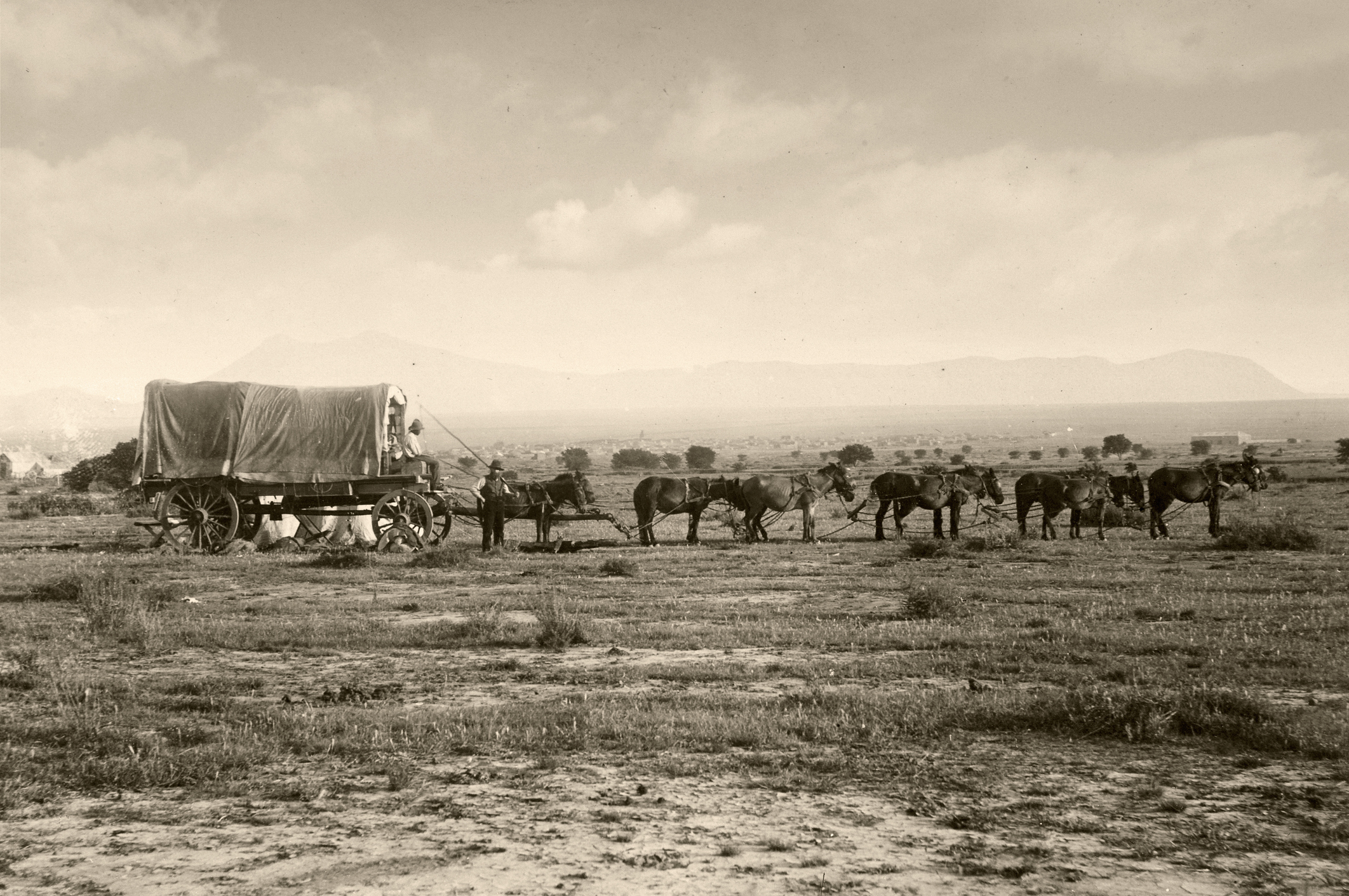
The earliest known covered wagons were first seen around 1717 near the Conestoga River in Pennsylvania. These large, early wagons were called Conestoga wagons.
The covered wagon would be a major mode of transportation in the United States for hauling goods and transporting people until railroad trains took hold around 1850. Covered wagons helped push the American frontier all the way to the Pacific Ocean.
The covered wagon was not the perfect mode of transportation, but these wagons help deliver supplies to cities and were responsible for the westward expansion of the United States.
So now back to a dose of reality about my rough section of Highway 2 in Nebraska. It turns out that many of the pioneering folks could not ride in the wagon because it was too rough but rather, they walked alongside the wagon, perhaps leading a spare ox to take over when the first string got tired.
Today I am thinking about wagons because of two experiences that I had in the past week. Last week, I attended the Dakota Fest farm show in Mitchell, SD. Just a few miles north of Mitchell is Hansen Wagon and Wheel Shop. I spent the night and the better part of a day with Doug and his family. They have built a niche within a niche, rebuilding wagons and wheels that were so instrumental in the establishment of the United States of America.
On the surface, it appears that most of the people that want to “invest” in wagons and modes of historic transportation are those that have the most disposable income. With that said, I think that it is vitally important that we have folks that continue to show the public what life, and in particular transportation, was like 150 years ago.
In addition to touring the Hansen Wagon and Wheel Shop, I attended the Three Trails Draft Horse Classic in Kearney, NE on Saturday. I am not going to tell you that there was an overwhelming group of young folks participating in the event but that is the goal of the group. To that effort, I would definitely say it was a success.
In closing, I recognize that most or nearly all people today rely on their device to tell them where to go and their navigation skills have completely disappeared. I, for one, am tremendously excited about the opportunity to throw a harness over a team of horses and head off with only the Sun and the North Star as my navigational system. I wonder how many folks can even tell me where the North Star is located?
Editor’s note: The views expressed here are the author’s own and do not represent the views of High Plains Journal. Trent Loos is a sixth-generation United States farmer, host of the daily radio show “Loos Tales” and founder of Faces of Agriculture, a non-profit organization putting the human element back into the production of food. Get more information at www.LoosTales.com, or email Trent at [email protected].
PHOTO: Vintage photograph of an old fashioned covered wagon pulled by a team of horses. (iStock │ #157331967 – duncan1890)