Mycotoxins, such as aflatoxins, fumonisins, and deoxynivalenol, are toxic chemical substances produced by certain species of fungi that can develop in crops. Maira Duffeck, Extension row crop pathologist with Oklahoma State University, said aflatoxins and fumonisins are usually the top concerns for corn and sorghum in warm climates like the southern United States.
“The fungi that produce those mycotoxins cause ear rot diseases known as Aspergillus Ear Rot and Fusarium Ear Rot,” Duffeck said. “There are several other ear rot diseases that can affect grain crops and depending on the disease being developed in the grains, we will see different mycotoxins being accumulated.”
Mycotoxins are dangerous for humans and animals to ingest and high levels severely limit the use and marketing of grain.
“Mycotoxins are a major concern for food safety, animal health and international trade,” Duffeck said. “Even low levels can be harmful if consumed regularly. Mycotoxins don’t get destroyed easily by normal cooking or processing, so they can stay in grain and feed. Aflatoxin, for example, is extremely carcinogenic and most countries, including the U.S. and Canada, have regulations in place to prevent aflatoxins from entering the human food and livestock feed supply.”
Duffeck said mycotoxins can accumulate while the crop is still standing in the field and after it is harvested and put into storage. The environmental conditions of the grain make all the difference in developing the fungi.
“The most common mycotoxin observed in corn in Oklahoma is aflatoxin, that is favored by temperatures greater than 86 degrees Fahrenheit, humid, and dry conditions at pollination and during grain fill,” she said. “A period of warm nights, greater than 70°F, may also increase the risk of ear rot development and aflatoxin contamination.”
Duffeck said stressed plants from nutrient deficiencies, drought, hail, or feeding damage such as birds, or ear-invading insects, can also make grain more susceptible to ear rot diseases that can result in the aflatoxin and fumonisin production in corn.
According to Duffeck, Oklahoma’s 2025 sorghum and corn crops that are currently being harvested for the most part did not experience the weather conditions conducive to development of Aspergillus Ear Rot and the production of aflatoxins in the grains. However, the 2024 crops, which are still being marketed and shipped right now, there have been reports of grain containing mycotoxins, specifically aflatoxins, at varied levels.
Scouting, storage and prevention
There are not always visual indications of mycotoxins in grain. Although moldy grain is a potential sign of mycotoxins, its presence does not automatically confirm these toxic substances. Mycotoxins are invisible, colorless chemical compounds, and the only way to confirm their presence is through laboratory testing.
Duffeck said most mycotoxins start to develop in the field while the crop is still growing. The type and concentration of mycotoxins present in harvested grain are primarily determined by the fungal species that infect the crop during the growing season.
“The fungi infect ears or kernels before harvest,” she said. “However, some fungi can continue to grow and produce additional mycotoxins if the grain is harvested too wet or stored under poor conditions, such as high moisture, warm temperatures, or insect damage. In other words, the initial infection happens in the field, but improper storage can make the problem worse by allowing molds already present in the contaminated grain to multiply and keep producing toxins at improper storage conditions. “
Duffeck said growers should scout their fields before harvest to identify any mold growth or discoloration on the grain. These molds can vary in color and appearance, including dusty olive-green mold, white mold, brown kernel discoloration, black mold, pink mold, and pale whitish mold, among others.
“For corn, begin scouting fields at late dent stage or R5, to determine the presence and severity of ear rots,” Duffeck said. “When scouting, randomly select plants and pull back the husk to examine the entire ear. A quick method is to select 100 plants across the field, 20 ears each from five different areas. For each ear, be sure to peel back the husks and examine the entire ear. If a field contains a significant level of ear mold, collect a representative sample before or at harvest and have it tested for mycotoxins before storing the grain or feeding it to livestock.”
Duffeck said planting decisions can play a role in a crop’s susceptibility to mycotoxin development.
“In fields with a history of ear rots, choose a corn hybrid that is less susceptible to the specific ear rot,” she said. “You may also want to select hybrids with insect resistance traits, which can help reduce the occurrence of ear rots.”
Duffeck said the type of fungicide used on crops can be the difference in preventing its development. Only certain foliar fungicides are labeled for use against specific ear rot diseases and mycotoxins, and efficacy varies significantly, depending on the targeted pathogen.
“In areas with high levels of Aspergillus Ear Rot and a history of frequent aflatoxin contamination, consider using an atoxigenic fungal strain to reduce aflatoxin accumulation,” Duffeck said.
In situations where mycotoxins are known to be present in a field prior to harvest, Duffeck suggests harvesting early and segregating the grain to prevent further contamination during storage.
“Most ear rot fungi continue to grow until the grain has less than 15% moisture,” she explained. “In severely infected fields, it may be worthwhile to harvest grain at a higher moisture and then dry it to less than 15% to minimize further mycotoxin accumulation, or harvest stressed areas of the field last to minimize mixing of high-quality grain with mycotoxin-contaminated grain. Never mix grain from a field affected by ear rots with grain from a field that has not been affected.”
Additionally, she advised producers to adjust their combines to discard lightweight or damaged kernels, which could contain mold or mycotoxins. Thoroughly cleaning equipment that has been in contact with moldy grain will also help prevent cross-contamination.
Uses for grain with high mycotoxins
The financial impact of mycotoxins in grain varies based on the circumstances, but its presence will usually cut the value of grain dramatically and in some cases make it condemnable. This grain that cannot be legally used, must be composted, incinerated, or sent to a landfill to prevent it from entering the food or feed supply.
“Even slight contamination can lower the grade and price because buyers may discount or restrict its use,” Duffeck explained. “Actual losses depend on the mycotoxin involved, the level detected, the end-use market, and local buyer policies, but price discounts of 10 to 50% or more are common when contamination is significant.”
The Food and Drug Administration has an established maximum allowable concentration for major mycotoxins. Duffeck said these limits are based on toxicology data for humans and animals. By setting these limits, the FDA helps ensure that grain and grain-based foods entering the marketplace are safe for people and for livestock.
Fortunately, most grain that is positive for mycotoxins can still be sold, albeit in limited markets and for lower prices.
“If the grain meets the FDA limit for a different, less sensitive use, feed for finishing beef cattle vs. dairy cattle, it can be diverted to that use,” she said.
One avenue producers can pursue for grain with mycotoxins is finding a non-consumption market for it, such as the ethanol industry.
Both corn and sorghum can be used to make biofuels and there are no mycotoxin limits for ethanol fuel.
However, there are restrictions on the co-product of ethanol production—distillers’ dried grains with solubles—used in animal feed. Mycotoxins can become more concentrated in the processing of DDGS, so ethanol plants always test levels of mycotoxins to make sure they are within safe levels for DDGS co-products and are sometimes forced to destroy them if the levels rise.
Duffeck said processing and cleaning grain with mycotoxins is another strategy to reduce contamination levels, but it also adds costs, which reduces the overall value of the grain.
“Screening, milling, or other processing steps can remove the most contaminated fractions and bring the remaining grain under the limit,” she said. “Those screenings must then be handled according to FDA guidance for contaminated by-products.”
Grain processing also requires blending, which is limited by the FDA.
“FDA policy generally prohibits blending grain that already exceeds the aflatoxin limit with clean grain to bring it below the limit for human food or for dairy animals,” she said. “Some blending for animal feed may be permitted under FDA guidance, but only under strict conditions and with documentation.”
Duffeck said certain feed additives can also bind or inactivate mycotoxins for livestock use.
“However, there is no way to fully eliminate mycotoxins from contaminated grain, which is why prevention through field management and proper storage is critical,” she said.
Lacey Vilhauer can be reached at 620-227-1871 or [email protected].
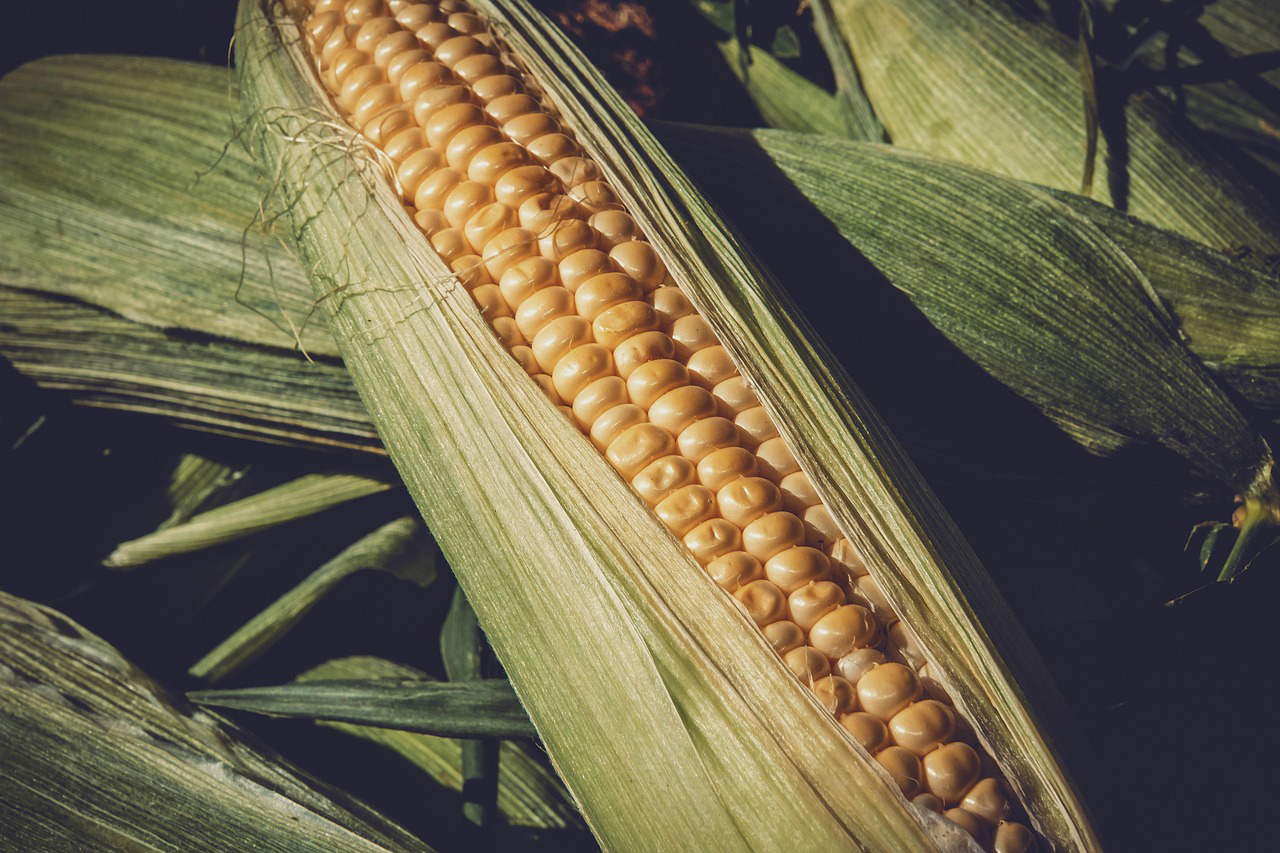
(Photo by Couleur via Pixabay.)