Minnesota Highly Pathogenic Avian Influenza (HPAI) update

Fall bird migration brings new cases to Minnesota poultry farms
On September 16, 2025, highly pathogenic avian influenza (HPAI) was confirmed in a Redwood County, Minnesota, commercial turkey flock of 28,000 birds. This is the first detection of HPAI in poultry since April 23, 2025, despite animal health officials and industry working to eliminate the virus from the state. Other cases have since emerged in Blue Earth and Stearns counties in September 2025, as well as in other states.
This fall, University of Minnesota Extension livestock and poultry experts anticipate numerous cases of HPAI. Increased rainfall this year has caused widespread ponding, including in areas that would normally be dry, such as crop fields. This means migrating birds are more spread out, increasing the risk of potential infection in poultry.
Stay up to date
- The Minnesota Board of Animal Health is the official source of information for Minnesota’s response to HPAI, with cases posted on the board’s outbreak dashboard and information page.
- The Minnesota DNR and the University of Minnesota Raptor Center are closely monitoring local wildlife populations for positive cases of avian influenza in collaboration with other organizations.
- The Minnesota Department of Health monitors the health and guidance for people who have direct contact with infected animals or their environment to help reduce the risk of infection.
Actions to reduce avian flu
- Practice biosecurity. Extension offers in-depth poultry biosecurity expertise, including biosecurity information for large commercial farms, small and pastured operations and urban poultry owners.
- Minimize, prevent and eliminate any contact you or your birds have with wild waterfowl.
- Homeowners feeding songbirds can use feeders if they are cleaned regularly. Songbirds still are not known to be reservoirs of avian influenza. Follow best practices outlined by the Minnesota DNR.
Reporting sick birds (farmed or wild)
- Report sick domestic or wild birds by calling the Minnesota Avian Influenza Hotline at 833-454-0156. Those reporting sick domestic or farmed birds can fill out an online form.
- Report dead waterfowl (five or more birds in one place) to the Minnesota Department of Natural Resources at 888-646-6367.
- Report injured or sick raptors to the University of Minnesota Raptor Center.
Steps the University is taking
Educators, faculty and staff at University of Minnesota Extension and the College of Food, Agriculture and Natural Resource Sciences (CFANS), College of Veterinary Medicine (CVM), and School of Public Health have been at the forefront of disease surveillance and research efforts in response to avian flu outbreaks.
Other efforts to combat the disease include conducting more than 100,000 tests since July 2023 at the Veterinary Diagnostic Laboratory and a poultry testing site in Willmar.
The CVM is collaborating with the Department of Agriculture to understand disease transmission to dairy herds and the broader agricultural industry. Other CVM researchers are working to address the threat of avian flu to Minnesota wildlife in partnership with the Legislative-Citizen Commission on Minnesota Resources.
Learn more
- Avian influenza basics for urban and backyard poultry owners
- Avian influenza basics for organic and pastured poultry flocks
- Small-scale poultry disease prevention
- Poultry biosecurity
- YouTube videos from U of M Extension Poultry
- Protect your small flock from Avian Influenza (Infographic: Board of Animal Health)
- Suspect HPAI in your small flock? (Infographic: Board of Animal Health)
- Tips for hunters(USDA)
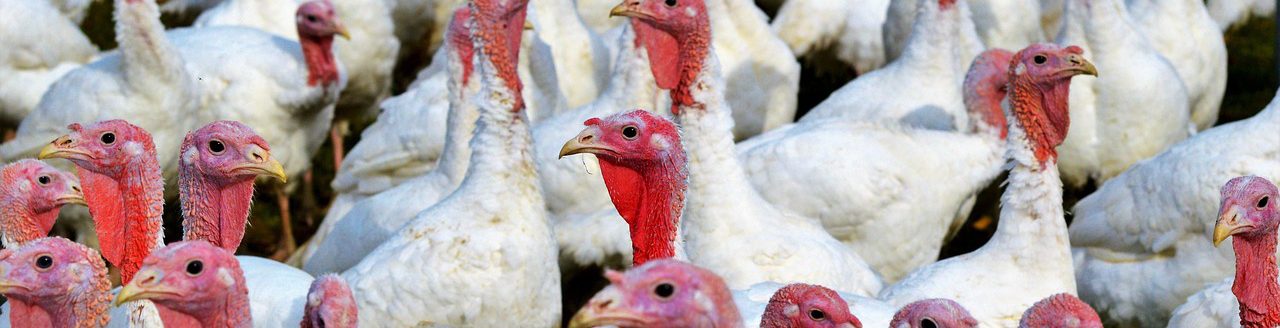
PHOTO: Turkeys. (USDA photo by Scott Bauer.)