
AAFH Ask the Harvester: Matt Forge, Forge Harvesting
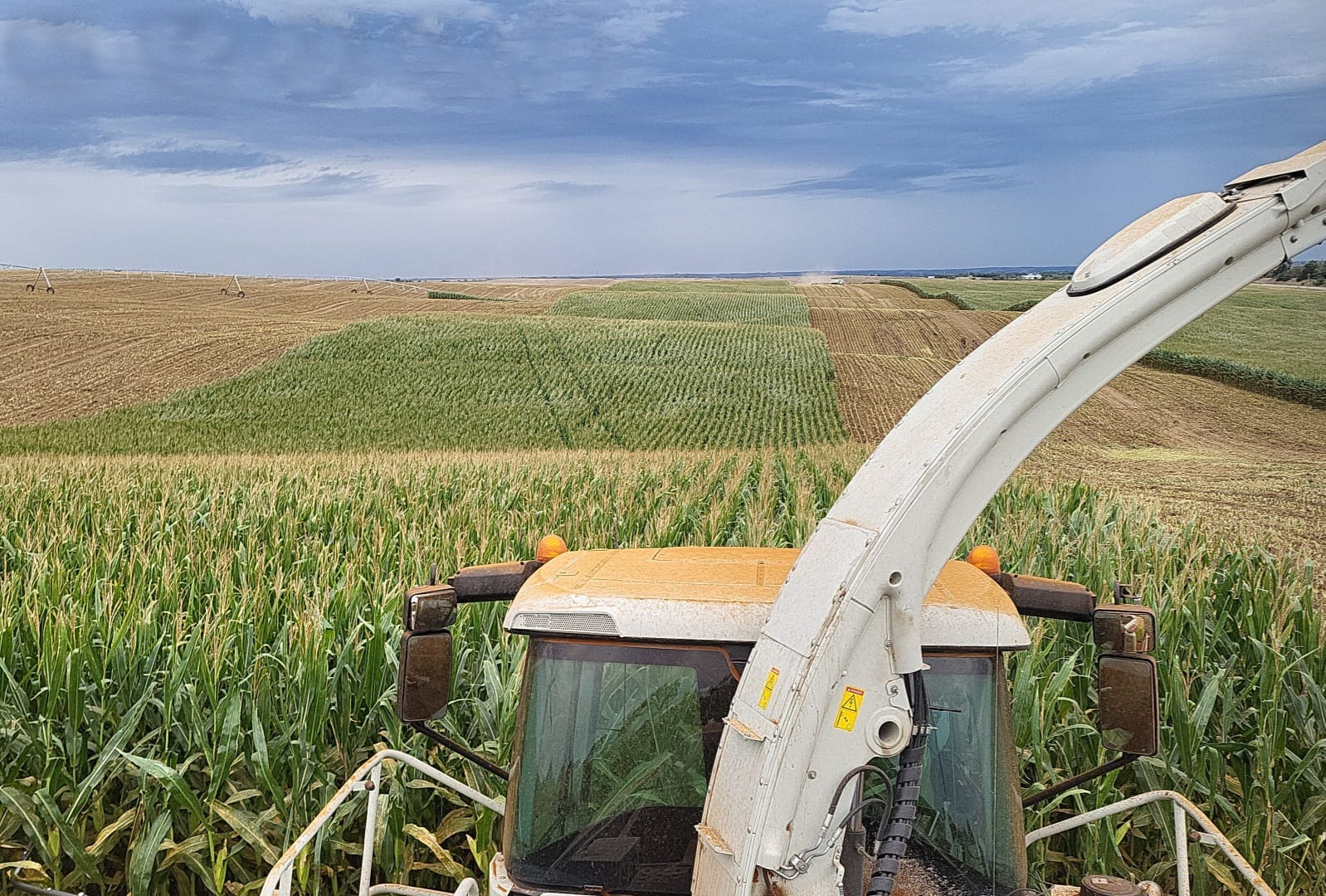
Custom harvester headquarters: Council Grove, KS
Number of years harvesting: 13 years
2025 silage crops harvested: Wheat, triticale, corn, sorghum
Q: Can you share a little about your custom silage harvesting schedule and what states you travel to?
We’ve got four chopper machines running in different locations, and we travel from Texas, Oklahoma, Kansas, and Nebraska. We’ll harvest wheat and triticale for silage from usually at the end of April through about the 20th of June. Then right when we finish up triticale, we’re usually racing to put a corn header on, and we send one or two machines down to central Texas, to start chopping corn for silage down there through July and August. Then we switch over to some irrigated corn toward the end of August and through September. Then we switch over to sorghum silage, which we are still chopping.
Q: What were the biggest challenges you faced harvesting with this year’s crop(s)?

We experienced quite a bit of weather delays, which were a problem for most people during harvest, but for silage, especially where we’re looking to get it at just the right moisture. I would say this is some of the worst mud we’ve had to deal with in the last 12 years. We just had a tremendous amount. Right when the field dried up enough we could run, another rain would come in and keep us out. We also teared some of the fields up and created some other challenges for the farmers to do field prep work afterward.
The sorghum harvest has been delayed a little bit, just because of the amount of rain, and we’ve had some cooler weather, and that sorghum has just taken longer to mature. Some of the really good forage sorghum is going to have to take a freeze because there’s enough heat to push it all the way along to maturity. We’ve opted to swath some of it and dry it down, so we can get some acres done, and guys can put in cover crops. The rest is kind of a waiting game to let everything mature and then get it all done and wrap up for the year. As a harvester, it’s painful to just sit back and watch this stuff as we’ve had really good weather days, because it’s inevitable that it’s going to rain eventually. You hope that it doesn’t start raining again right when the crops are ready.
Q: What type of yields and quality did you see in the silage crops you chopped this year?
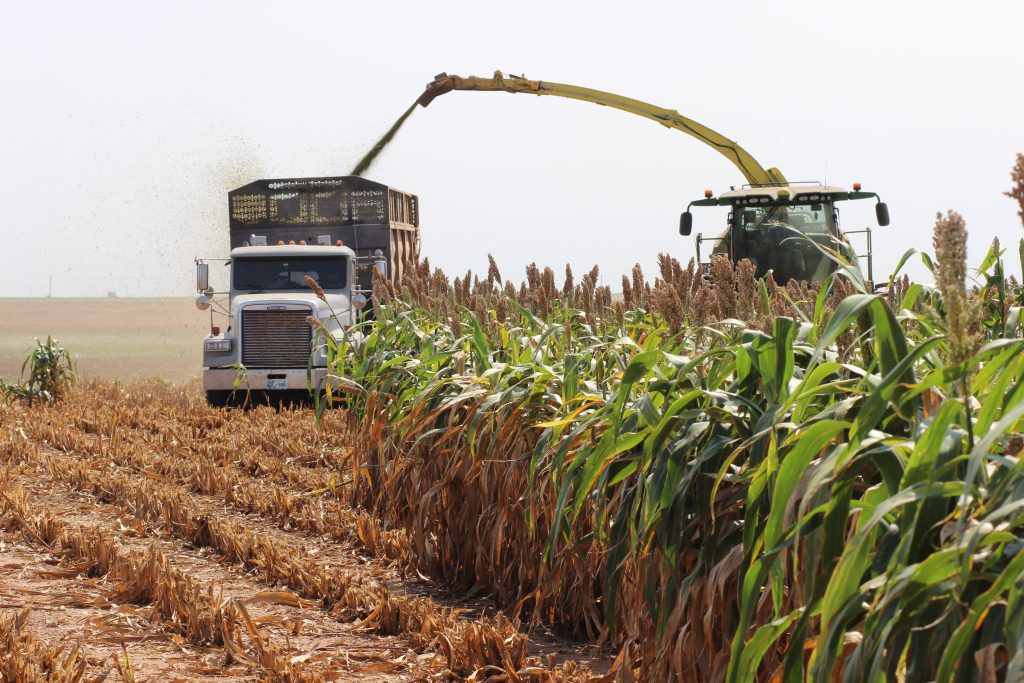
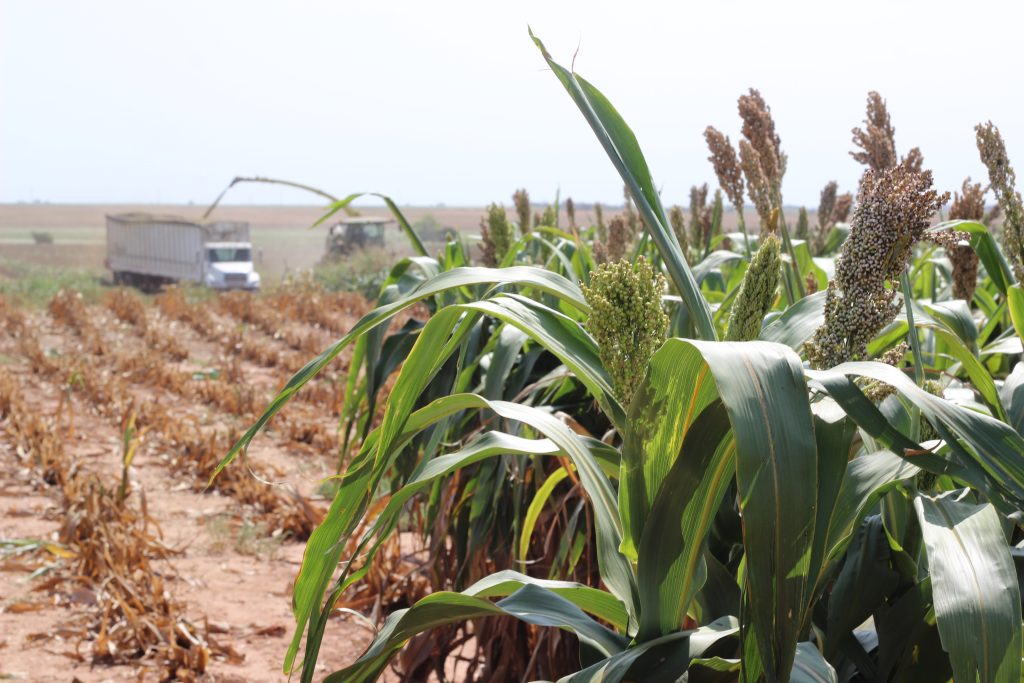
With all the traveling that we’ve done, with the exception of some hail damaged corn in Texas, all the yields have been really good across the board. Just about all the dryland sorghum silage has been as good as it’s ever been. We’ve harvested quite a bit of dryland sorghum around Morris County, Kansas, which has been exceptional this year. We chopped quite a few acres that went over 20 tons to the acre. Dryland sorghum in central Kansas is usually 10 to 15 tons per acre. Sometimes you might get some good ground that’ll grow some upper teens, but to consistently harvest a 20-ton-to-the-acre crop is pretty phenomenal. Out in southwest Kansas, we recently chopped some irrigated sorghum acres that made 27 tons to the acre.
Q: What do you attribute to the excellent quality you’ve been seeing?
I think it’s timely rains. I don’t know that anybody was doing anything different to get these yields.
Q: What type of harvesting equipment are you using?
We’ve been Claas chopper people since the beginning. We do have one John Deere chopper, and there are some advantages to Deere’s technology. However, Claas has some things coming up next year that make us pretty excited. They made some huge improvements to their pickup header. With triticale being more popular in western Kansas and in the panhandles, the pickup header has kind of been a limiting factor for Claas, but they’ve got a new machine coming out.
Q: From your perspective, what can farmers do to improve their fields for silage production?
I’m not a farmer, so I don’t really like to give advice. However, I’ve found that if you’re going to harvest silage off your ground consistently, a good manure program or getting some organic matter back in the soil is really important.
For more harvest reports and updates follow along at All Aboard Harvest – High Plains Journal.



