For the fifth year, BASF Agricultural Solutions, Research Triangle Park, North Carolina, and the SCN Coalition are partnering for SCN Action Month. Throughout October, the organizations will provide farmers with the latest insights, tools and resources to effectively manage soybean cyst nematodes and protect soybean yield potential heading into the 2026 growing season.
SCN remains the leading cause of soybean yield loss in North America. It is present in most soybean-producing regions and continues to spread. Recent field data show that 50 to 65% of acres tested are experiencing elevated SCN levels. Left unmanaged, SCN can silently reduce yields and increase plant vulnerability to costly diseases such as sudden death syndrome and red crown rot. In the United States alone, SCN contributes to more than $1.5 billion in annual yield losses.
“SCN is one of the most persistent challenges farmers face because it reduces yield without showing clear symptoms above ground,” said Jeremiah Mullock, BASF seed treatment product manager. “Often referred to as a silent yield robber, SCN is easy to overlook, and many farmers may not realize they have it or may underestimate its impact.”
Soil testing
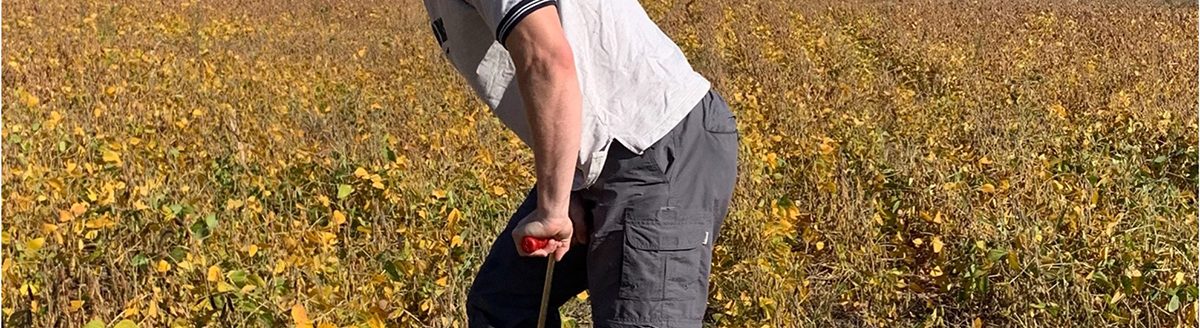
Soil testing is the first step in uncovering the problem. According to Dylan Mangel, plant pathologist at the University of Nebraska-Lincoln, “After harvest is the most common and often convenient time to test soil for SCN, but you can pull a soil sample any time of the year. If the nematodes are there, you’re likely to find them.”
Identifying SCN in a field is only the first step. Long-term management depends on regular monitoring. Mangel notes, “If you want to know whether your SCN management is working, be consistent about when you sample year after year. BASF and the SCN Coalition recommend that farmers collect soil samples after harvest to check population levels and plan strategies for the season ahead. Sampling is simple and sending them to a diagnostic lab will confirm the presence and severity of SCN.”
In 2024, BASF analyzed 6,000 soil samples from across the U.S. More than 80% tested positive for SCN, and more than half showed damaging levels. The data underscores both the widespread nature of SCN and the urgent need for farmers to implement effective prevention and management strategies.
Several proven practices can help farmers manage SCN, including:
- Collecting soil samples at the same time each year to identify SCN presence and levels
- Rotating crops to disrupt SCN lifecycles
- Planting SCN-resistant soybean varieties
- Using effective seed treatments for added protection
ILEVO seed treatment
ILEVO seed treatment remains a trusted solution, offering protection against both SCN and SDS. By reducing stress from SCN feeding and safeguarding against SDS, ILEVO seed treatment helps support healthier roots, stronger stands and more resilient soybean crops.
BASF invests more than $1 billion annually in agricultural research and innovation, with more than 250,000 acres dedicated to research plots in 2025 alone. The company’s participation in SCN Action Month reflects an ongoing commitment to supporting farmers who are doing the Biggest Job on Earth.
Pictured at top, BASF and the SCN Coalition have championed education and management to address difficult challenge for soybean producers. (Photo courtesy of BASF.)
BASF and the SCN Coalition encourage farmers to take action this October by collecting soil samples, sending them to a lab for testing and consulting BASF field representatives about SCN management strategies. To learn more, visit SCNActionMonth.com or SCNFields.com.