On Nov. 4, Texas voters approved a significant upgrade to the way Texas’ water infrastructure is funded. Proposition 4—one of 17 propositions that were on the ballot for voter approval in Texas—dedicates $1 billion a year for 20 years from sales taxes to the Texas Water Development Water Board.
The measure enjoyed broad bipartisan support, with 70.6% in favor and only 29.4% opposed. Voters approved all 17 propositions, which covered matters from bail reform to parental rights.
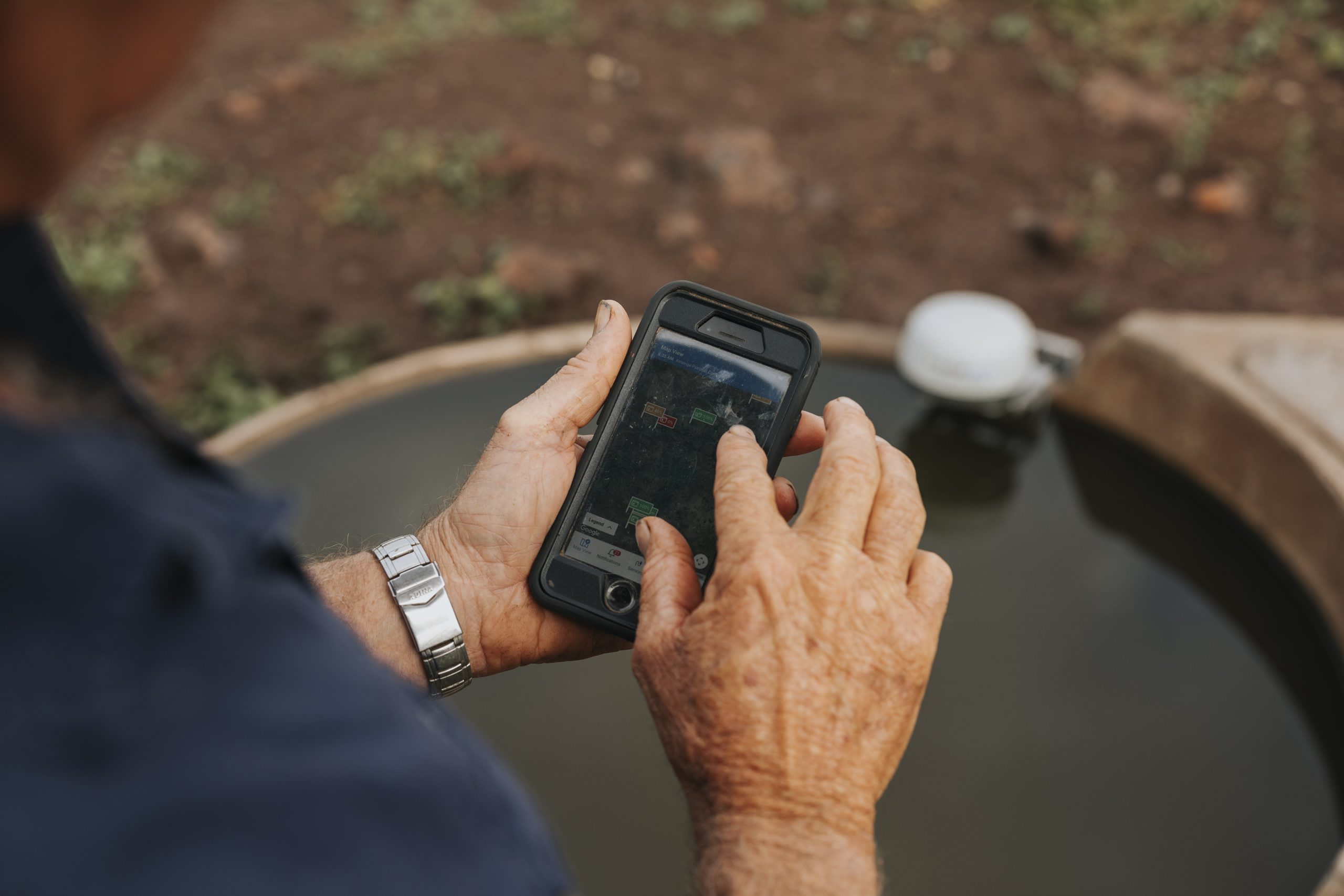
Although the Proposition 4 funding is welcome and desperately needed, this amount is “nowhere near enough” to meet Texas’ future water needs, according to Andrew Coppin, CEO of Ranchbot. His company makes and supports a range of water-monitoring gear, including flow meters, sensors water tanks, trough monitors and rain gauges—all connected via satellite to hand-held devices to give ranchers and farmers total control over their water usage without having to rely on the internet.
Coppin hopes this measure will increase awareness of the need to better manage water resources.
“Water is the most poorly managed resource on the planet,” he said. “There’s an insane amount of waste. On a scale of 1 to 10, we can’t give ourselves much better than a 5.”
Fracking alone, he said, uses 8 barrels of water to extract 1 barrel of oil.
The upgraded infrastructure from Prop 4 investment will result in better measurement, which must come before better management. “You can’t manage what you can’t measure,” he said.
Coppin says his company is as much in the data business as in water control. He sees a lot of potential for Prop 4 projects to fund improvements in data collection to help both water users and decision makers see exactly where Texas’ water is going.
While some raised questions about Prop 4 dedicating this amount of money to a quasi-independent agency, supporters pointed out that the measure does not divert money from any other source. The annual contributions will kick in only after a total of $46.5 billion in water revenues are collected in any given year. The fund merely provides a guaranteed income stream to the water board; it does not favor any particular water projects, which would still have to be decided on by the Texas legislature.
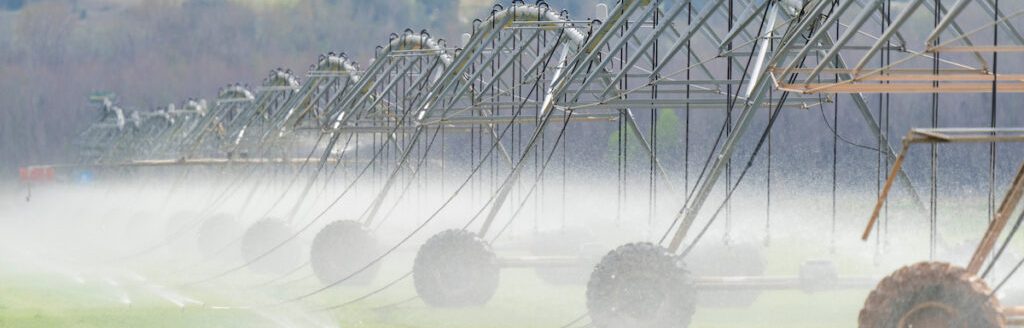
Like many states, Texas faces increasing constraints and demands on its water supply, from rapidly building data centers to support artificial intelligence needs, to its energy-intensive drilling and energy export sectors, and of course its extensive ranching and farming sector. In Texas, agriculture consumes more than 60% of the state’s annual water supply, supporting the production of $159.3 billion in food and fiber that accounts for more than 8.6$ of the state’s GDP.
On Oct. 14-15, Texas Tech University hosted the 2025 Agricultural Water Sustainability Summit in partnership with the Texas section of the American Waterworks Association. The two-day event, which aimed to foster discussion of solutions for water security, featured experts including members of the Ministry of Foreign Affairs of Denmark, who collaborated on preserving the water supply.
Conference speakers included a range of water experts including Texas Commission on Environmental Quality Chairwoman Brooke Paup and Texas Sen. Charles Perry. Robert Mace, executive director of the Meadows Center for Water & the Environment at Texas State University; John Nielsen-Gammon, a professor of meteorology at Texas A&M University and the Texas State Climatologist; and John Zhu, a hydrologist at the Texas Water Development Board also spoke.
David Murray can be reached at [email protected].