As winter light slowly increases, houseplants are beginning to show signs of renewed growth, according to University of Missouri Extension field horticulturist Kathi Mecham.
Mecham said early February has long been associated with the start of underground activity, noting that as days lengthen, both outdoor and indoor plants begin subtle transitions out of dormancy.
During winter, the sun remains lower in the sky, resulting in shorter days and reduced light intensity. Mecham said those conditions signal plants to rest, slowing growth and reducing water needs. Some plants may lose leaves entirely, a normal response to seasonal dormancy.
She emphasized that leaf drop and reduced growth are not cause for concern. With appropriate care, plants typically recover as light levels increase.
Several plants are known to die back completely during dormancy. Caladiums, which grow from tuberous corms, are sensitive to cold and should be dug after the first frost and stored in moist peat in a dark location. Elephant ear plants, another group of tropical perennials, also lose foliage and require dark storage during dormancy.
Cannas and dahlias can be dug and stored after frost kills the foliage. Amaryllis bulbs require a dark rest period after leaves drop in the fall before being returned to light to trigger new growth and flowering.
Cyclamen bloom during cooler months and enter dormancy in late spring. When leaves fade, watering and fertilization should be reduced until new growth resumes after summer. Shamrock plants also enter dormancy in fall, requiring reduced watering and storage in a cool, dark location until growth returns.
Mecham said dormant plants require less water and no fertilizer, noting that overwatering poses a greater risk during rest periods.
“Whether the plants go dormant in the winter or summer, the signs are similar,” she said. “Be patient, and soon you will have beautiful foliage or flowers or both.”
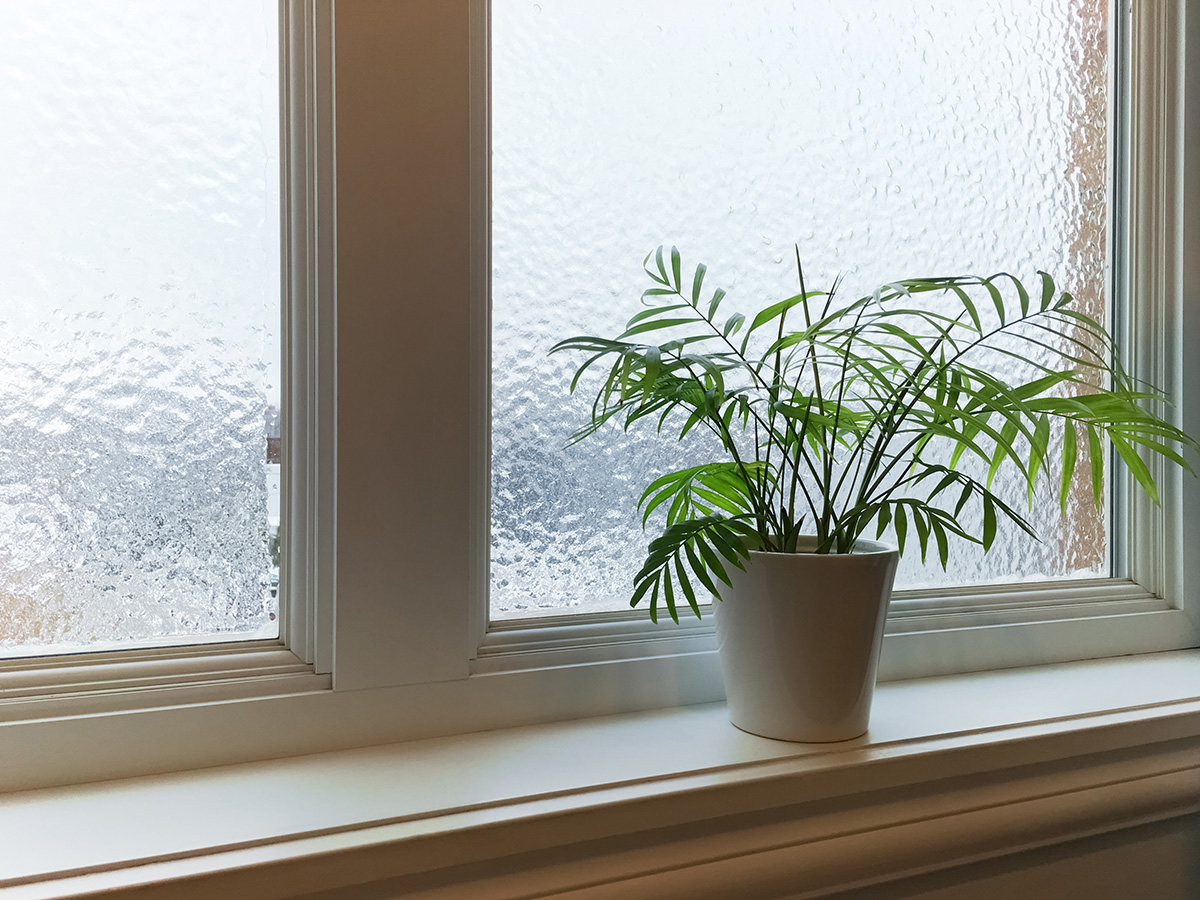
PHOTO: Green plant and frosted window. (Adobe Stock │ #150300423 – Studio Light & Shade)