
Is artificial intelligence use in fake news out of control?
Proponents of artificial intelligence say it is the future and will change the way we live our lives for the better. I’m all for technical advancements, and I use AI every day without even thinking about it. For example, I rely on the talk-to-text feature in my car just about every day. That is only possible with AI. And anything that can speed up a job, make a task easier and sometimes safer is a win, right? But are there costs to AI when we look at the big picture?
Much of the developments AI has birthed over the last few years have been groundbreaking for our world, including advances in healthcare, increased business productivity, speedy and accurate data analysis, and simple improvements to our daily routines that are just plain cool.
It has also found its way into the agriculture industry with precision farming tools, autonomous machinery, and drones. Anything that can make farming more efficient and keep family operations on the map is an asset in my book, so I have no qualms with any of these uses. In fact, I use AI to transcribe interviews I conduct with many of my sources.
However, AI has its drawbacks. For one thing, it has been known to create job displacement, and although extremely accurate, it can produce inaccuracies from time to time.
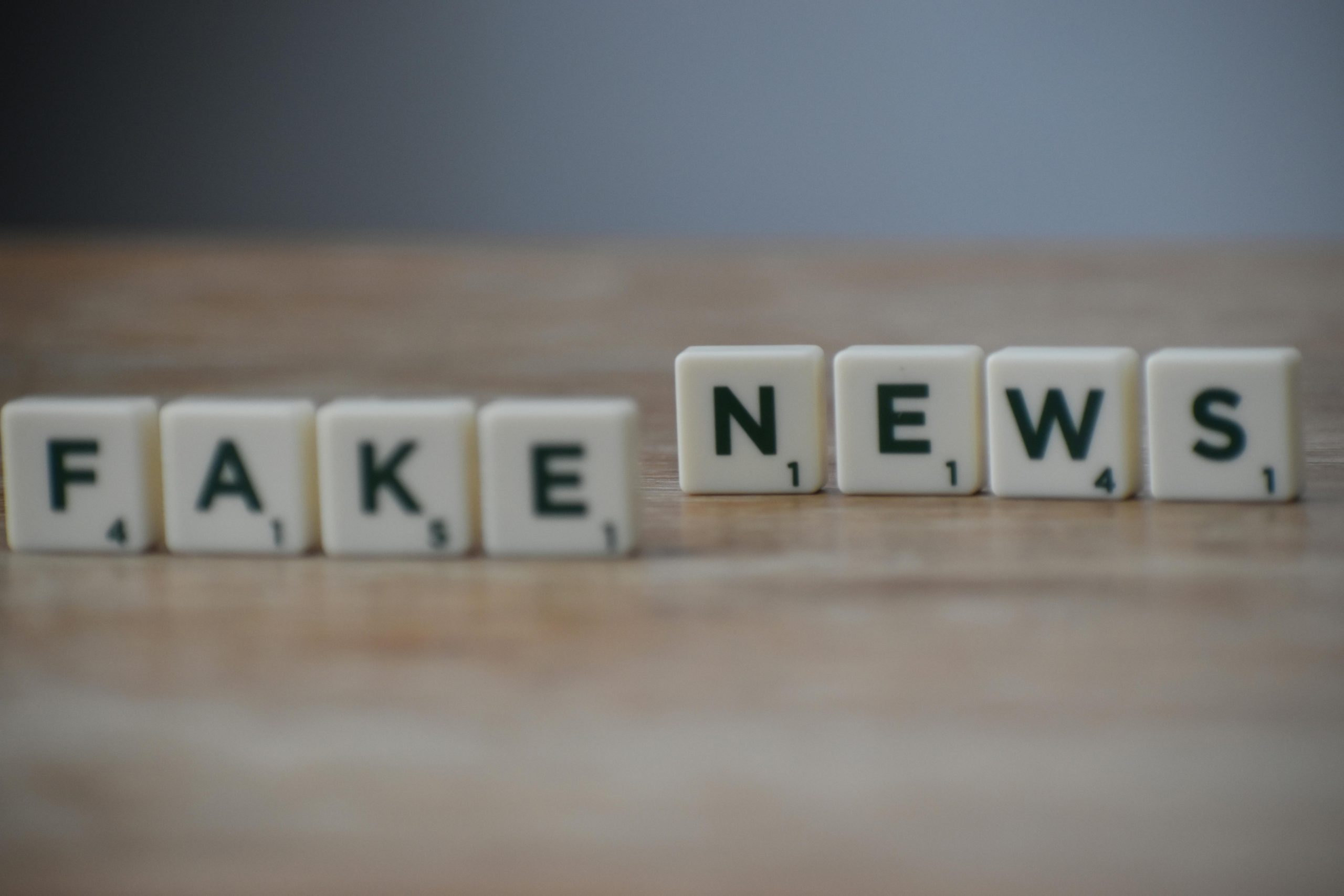
As a social media user and journalist, my biggest concern with this technology is how it has been used to create fake news stories and photos that readers believe and often share. The sources who promote these fake articles are known as “pink slime” news sites. These days it’s hard to believe your own eyes and ears because AI can create such convincing depictions.
Anyone who uses Facebook can attest, when there is a news story that the world is interested in, some fake news page will undoubtedly latch on to it and start pumping out vile and reprehensible fiction. These outlets take a snippet of information, a video or pictures from the real story and create their own version with contrived articles and pictures that were created using AI. Even the fake videos have tricked me sometimes until I realize there is no way an athlete or political figure would say something so ridiculous on camera. Many people, unfortunately, are still fooled by this fake media time and time again.
It’s known as click bait, and these entities use their fake articles, photos and videos to convince users to click posts for financial gain. Sadly, they usually use the pathos of tragic, true stories of real families to accomplish this. It’s morally repugnant, and I see it all the time.
The missing person case of Nancy Guthrie in Arizona is a prime example. Not only did news pages create fake headlines about her and her family, one page even used the surveillance camera photos released by the Federal Bureau of Investigation to create an image that appeared to show an elderly woman walking with the suspected kidnapper.
Can you imagine her children getting on social media while the search is ongoing, only to see a fake photo of your missing mother? The choice word that comes to my mind is detestable; and even though the photo was 100% fake, users thought it was real and continued sharing it. That is a recipe for madness in my opinion and only benefits these fraudulent sites.
I was bothered by the constant fake news surrounding the Guthrie case, but recently this topic hit close to home. On Feb. 19, a tragedy unfolded in north central Texas, when a beautiful 3-year-old girl, named Oaklynn, was killed in a freak horse accident.
Even as a writer, I am at a loss for words when I think about this terrible event. My heart hurts for her family with the loss of their child. This story is sensitive to me because I grew up with her mother. We are the same age, we went to the same daycare, we competed against each other in sports, and I know her family.
Cherokee, Oklahoma, which is the community where we grew up, is grieving for this child and praying for the whole family. The way we grieve should be a personal choice, but these fake articles have taken privacy away and replaced it with sensationalized lies.
AI photos and stories about this family and the loss of their child continue to pop up on my—and many of my friends—Facebook newsfeeds. Some of the articles even include fake quotes that they attribute to this little girl’s parents relating to the accident that took her life. That’s exploitation at its worst.
I ask you, how low can you go and where do we draw the line? Where are we as a society when some of us believe it is acceptable to profit from another’s grief and suffering? To me it’s not, and as a journalist, it raises even more concerns with the responsibility we have to provide truthful reporting. Although these websites are not reputable, their existence and the trash they produce smudge the name of journalism and what we stand for as professionals.
Some of the posts even cross the line and could be considered libel. As a journalist, this is a real issue, and there needs to be a way to police it with legislation that protects individuals and their families in the future. We have let this powerful technology infiltrate our lives without realizing it, and now it’s here to stay—the good and the bad.
We have to use our best judgment as human beings to decide what we will allow it to be used for and what is off limits. We possess qualities AI does not, including empathy, morality and a conscience. Let’s lead with those from now on and rein in AI when it comes to fake news for the betterment of our world.
Lacey Vilhauer can be reached at 620-227-1871 or [email protected].



