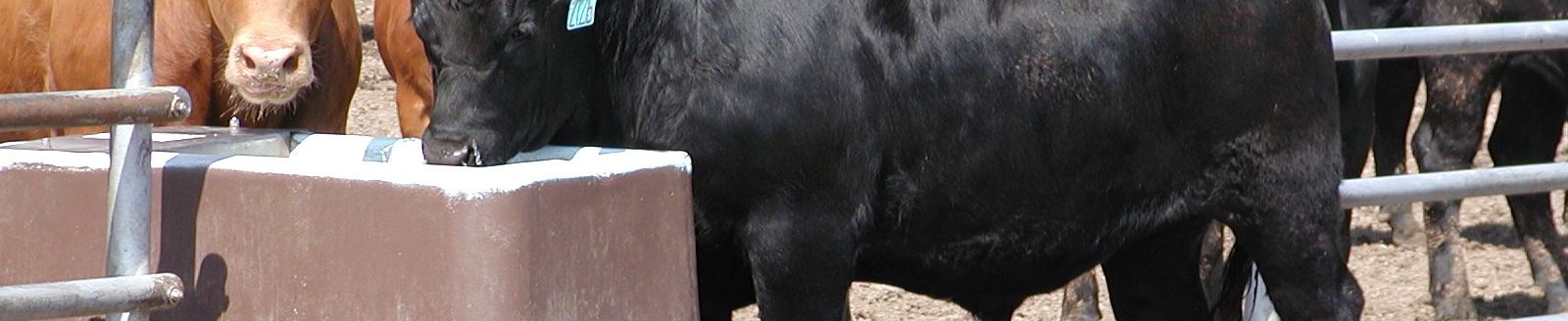
Michigan confirms bovine tuberculosis in two dairy herds
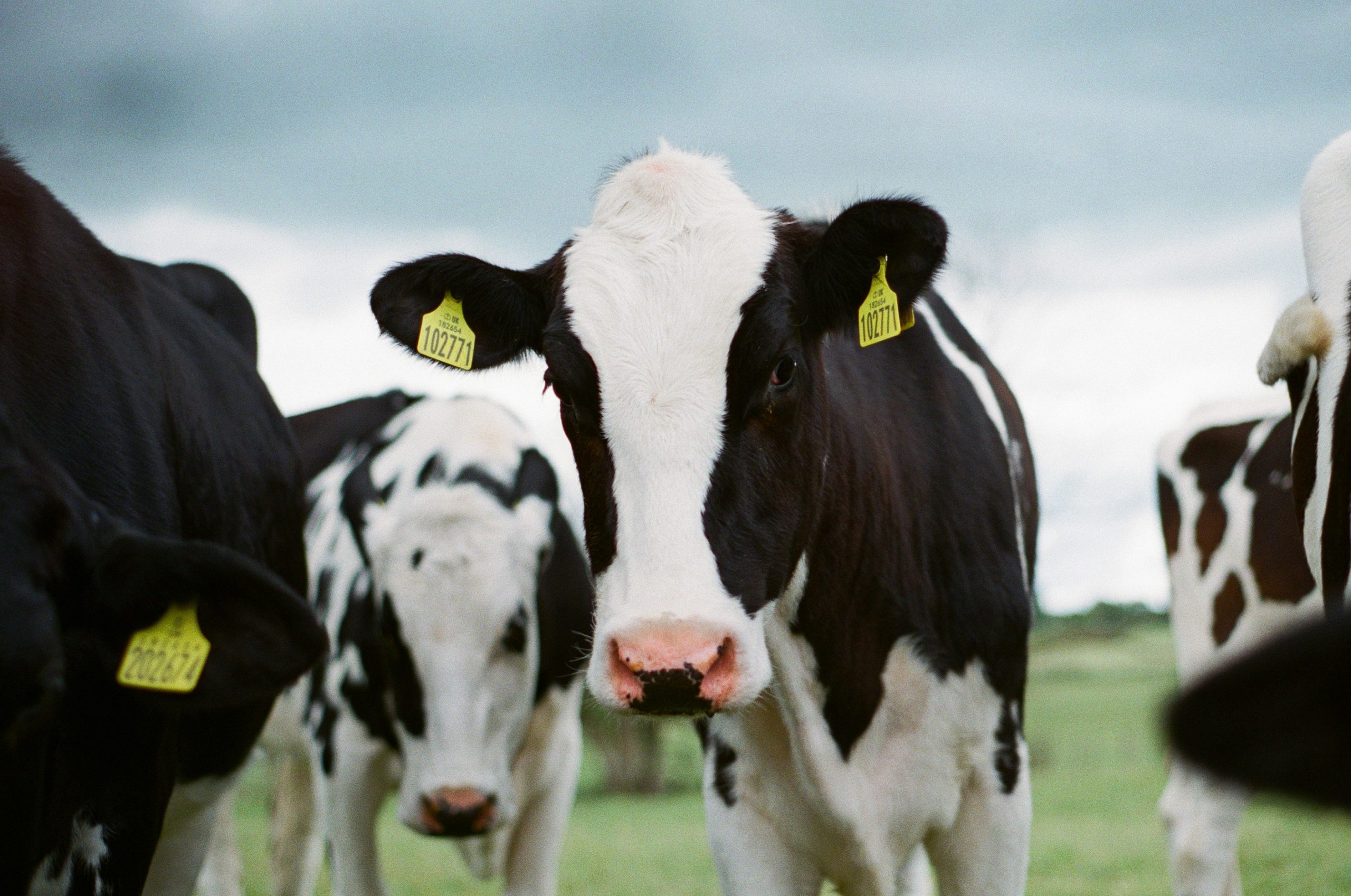
Bovine tuberculosis, a rare bacterial disease affecting cattle, deer, goats, dogs, and even humans, has been detected in two Michigan cattle herds, according to the Michigan Department of Agriculture and Rural Development. The findings come just weeks after multiple cases were linked to a Charlevoix County, Michigan, dairy herd.
State officials reported that routine whole-herd surveillance tests, conducted annually, identified cases in herds located in Alpena and Presque Isle, Michigan counties. Both regions are known for the presence of bovine TB in the free-ranging white-tailed deer population.
“Both herds illustrate why it is so crucial to consistently perform surveillance testing and actively manage this disease,” said Michigan State Veterinarian Nora Wineland.
About bovine TB
Bovine TB is caused by the bacteria Mycobacterium bovis, which spreads mainly through nose-to-nose contact between animals or through contaminated feed and water. In livestock, the disease is typically asymptomatic and often discovered during skin testing or slaughter inspections. Only in rare cases, when the disease is advanced, do animals show clinical symptoms affecting multiple organs.
When tuberculosis is detected, authorities may either depopulate the herd or test and remove infected animals. Presque Isle County is currently managing the disease through testing and removal of affected cattle. Epidemiological investigations are planned in Alpena and Presque Isle to identify potential sources of infection, including analysis of the specific TB strain.
State and federal agencies continue to enforce strict measures to control bovine TB, including mandatory animal identification, herd movement certificates, routine surveillance testing, and wildlife biosecurity programs. Deer hunting management in northeastern Michigan will also remain a focus to reduce disease transmission and protect livestock.
According to the U.S. Department of Agriculture, the prevalence in cattle and other livestock is extremely low, with an estimated 7 cases per 1 million cattle screened. Despite its rarity, bovine TB can affect humans via contaminated milk. However, through the combination of eradication programs and milk pasteurization has greatly reduced cases in the United States.
Lacey Vilhauer can be reached at 620-227-1871 or [email protected].