Sorghum industry milestone celebrates powerhouse crop
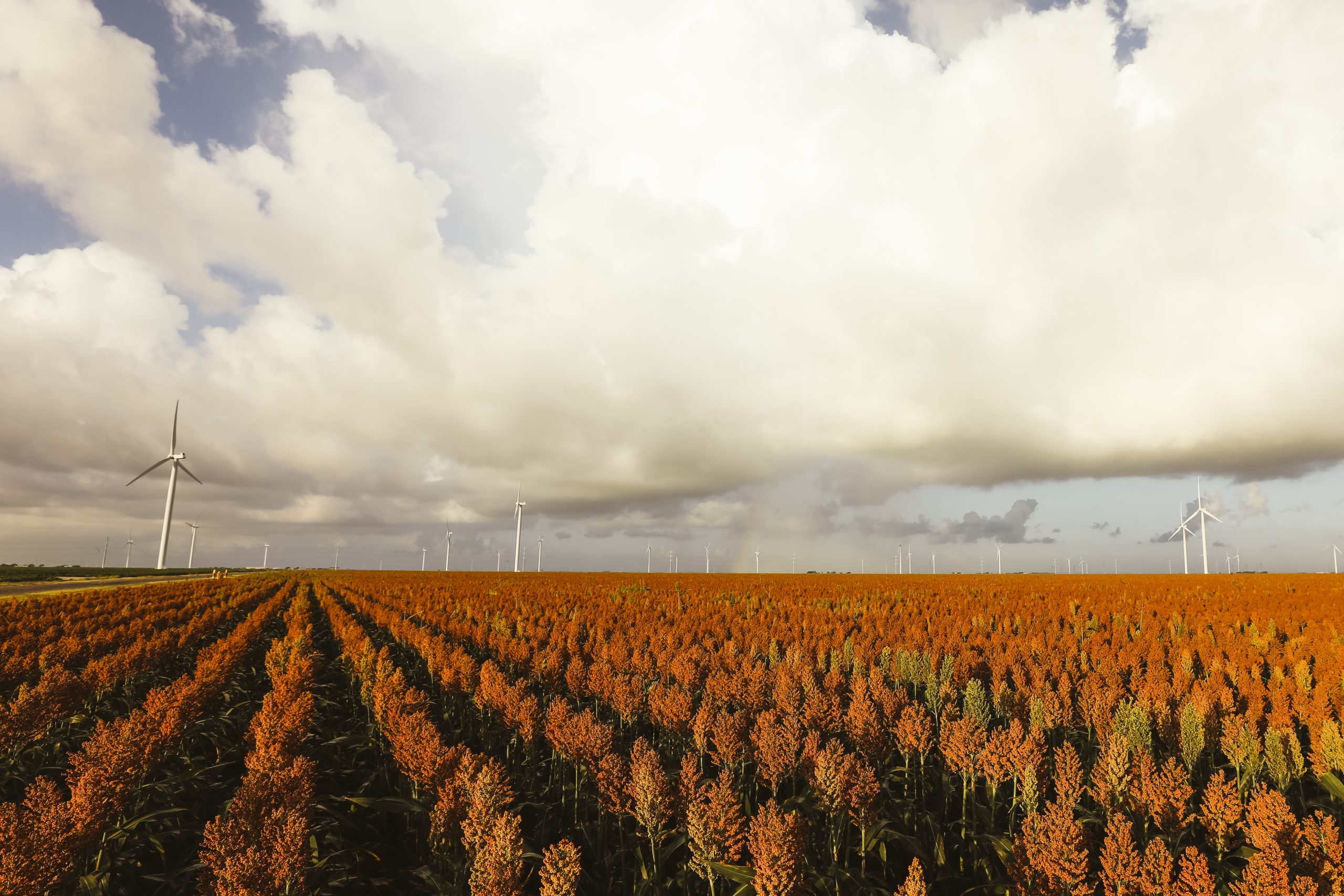

In December, the National Sorghum Producers will be celebrating 70 years of a multi-faceted crop used for food, fuel and livestock feed.
Farmers in the High Plains recognize sorghum as cost-effective with soil health and water-sipping properties.
Tim Lust, CEO of National Sorghum Producers, which is based in Lubbock, Texas, said the success of sorghum is the result of volunteer leaders who have stepped up from their busy schedules to help. Many farmers saw the importance of the crop. (Above photo is courtesy of National Sorghum Producers.)

“When you look back at policy wins, the creation of the checkoff and the creation of our political action committee, there’s been many people who could be a part of this discussion,” Lust said. “I have to go back to the start and certainly Reagan Peeler, our first chairman, was one of the gentlemen that organized the association and said from day one, ‘this is a need and we’re going to go forward.’”
Another important pioneer was Elbert Harp, who chaired the organization in the 1960s and later served as executive director for many years.
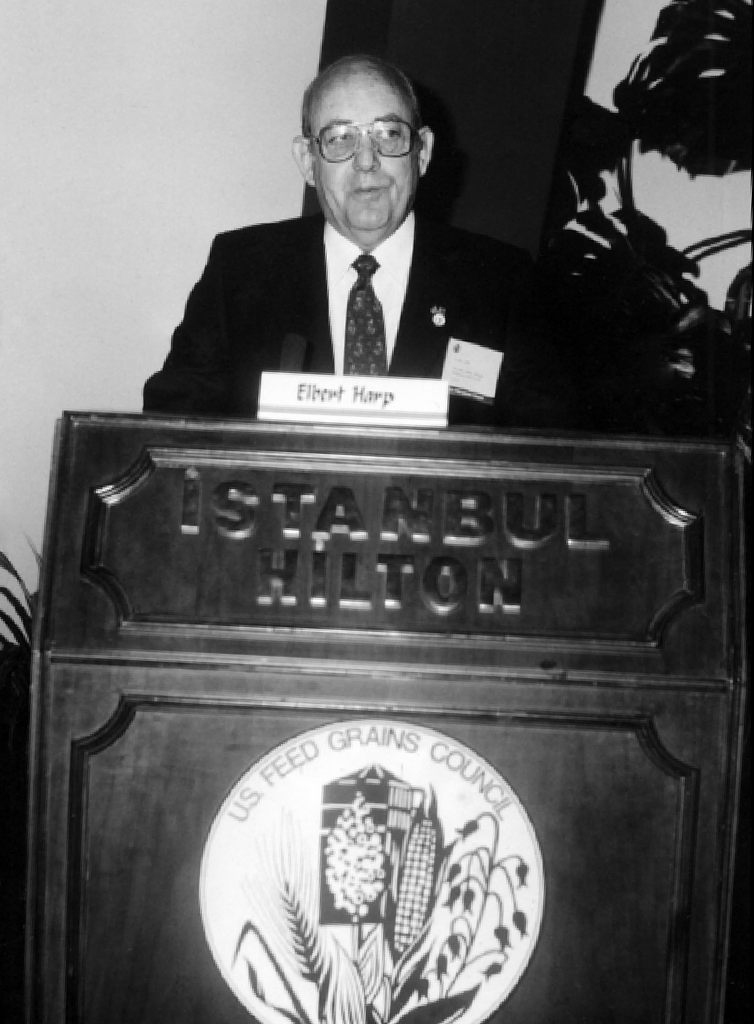
He said Peeler and Harp were two men who provided direction to help work through the early years of a commodity group.
Water efficient
Sorghum continues to be a critical crop particularly where water availability is limited, Lust said. As the southern region of the Ogallala Aquifer has declined significantly and even in the northern areas where the decline is enough farmers are considering options and sorghum is a good fit.
“The value of sorghum continues to shine,” Lust said, adding it has been properly touted as a soil health staple. “While certainly we see the ebb and flow of sustainability type discussions, I think soil health is something everybody agrees on. Sorghum is unique with the deep root structure and above ground cover, plus it provides wildlife habitat.”
In the winter the crop provides livestock feed, he said.
Growth opportunities
The renewable fuels market is a market where sorghum producers have experienced success, and Lust said it continues to be a top priority. “It is our No. 1 domestic market and nothing else even comes close to it today and continues to grow. Hopefully being able to get E15 passed and then 45Z, which is approved, we’re just waiting on rules in early 2026 so we’ll see a lot of opportunities for additional growth in the biofuel sector and sorghum is very well positioned to be a part of that.”
Sorghum is a sought-after international crop particularly in China. The United States was shipping about 5 million metric tons to China, but saw the market close as a result of the tariff dispute between the two countries, Lust said.
However, a trade deal was announced in late October and President Donald Trump and Secretary of Agriculture Brooke Rollins have signaled there is an opportunity for sorghum exports again.
As a livestock feed, Lust said more bushels are being used for beef and dairy and he added researchers are using new techniques to enhance enzymes. On the forage side, new kernel processor technology has allowed for growth and expansion on forage silage and sorghum silage.
When Lust thinks about sorghum over the years he has seen a renaissance. At one time sorghum acres were about 15 million, but the Conservation Reserve Program that was introduced in the 1985 farm bill took about 7 million acres out of production. Plus, seed companies upped their investments in corn and soybean genetics.
Sorghum acres have stabilized.
“Sorghum still managed to do very well,” Lust said. “We have to continue to see yield increases. I’m very excited about the yields this year and we’re really seeing yields we never really seen before across fields, counties and states.”
For sorghum farmers to benefit they need markets and that’s why ethanol and exports have been a major push of NSP.
Sorghum producers have been progressive and enthusiastic over the many years and the organization has reflected it, he said. For example, several years ago the organization changed its name from the National Grain Sorghum Producers to National Sorghum Producers to reflect the versatility of the crop itself.
In the next 10 years, Lust believes that sorghum silage will increase throughout the country as livestock feed. The United Sorghum Checkoff Program has also invested heavily in human health studies and there has been growth in the food sector.
“It started out really small, but it’s just impressive with what that growth looks like,” he said.
Recently tennis superstar Novak Djokovic is the co-founder and lead investor of Cob Foods and he credits eating sorghum food products for his longevity and success.
“You can’t buy that kind of publicity,” Lust said. “That’s worth a lot and so we continue to see growth over the next 10 years at a substantial pace.”
Pet food has been another market for sorghum and it has grown from beyond the High Plains to international markets as people want healthy pets, he said.
70 years of success
When he thinks about the organization, Lust also commends dedicated employees who fill multiple roles that cover governmental policies, serving members and partners, and getting money back into the pockets of growers.
National Sorghum Producers also has subsidiaries that also work with growers and assist the organization.
“I’m very proud of our employees and what they’ve done and continue to do,” Lust said. “When I’m asked how many people work here my answer is a lot more than five we had back then. We continue to see growth in our organization over time.”
Lust has been with National Sorghum Producers for 32 years and has been the CEO for about 27 years.
Today’s challenges
Lust said there is no shortage of policy issues farmers face that NSP works with to help them. One example is the need for them to have effective and safe pesticides, and another is ethanol.
“We have been so close on E15 and we have to continue to get that across the finish line,” he said. “There continues to be plenty of work to do for the policy space and the marketing space to help our growers.”
Today’s growers face challenges that include higher input costs while the prices they receive are not favorable, Lust said, adding that all the commodity groups are in unison, because that’s not a healthy economic situation long term.
“It doesn’t work right now,” Lust said.
In interviews, he shares difficulties that producers face today based on his own experiences and what he observes. While yields in 2025 have been a bright spot in the sorghum belt it only tells part of the story.
“There’s two ways to make it profitable for growers. It’s lower input costs or increased prices and markets,” Lust said. “Obviously we’ve put a lot of effort for a long time on markets and often that’s a slow process.”
Working to help lower input costs is a must, too, he said.
“We know it continues to be a very significant item and something we continue to be very focused on as an organization,” Lust said.
One plus for sorghum is it a lower cost crop to grow and farmers are considering planting more acres as a way to reduce input costs, he said.
Looking ahead
National Sorghum Producers has a philosophy that every day is an opportunity to have vision and goals and work to deliver on those goals.
“It’s not what you have done for me, it’s what you have done for me lately,” Lust said. “I think we can point to things we have done because federal policy has been more and more involved in agriculture the past five to seven years.”
Farmers agree that the growth of assistance programs has not been a positive, but they are also recognize the reality of challenges they face.
“The challenges in agriculture are very real today and much bigger than just sorghum,” Lust said. “We continue to be here, representing the farmers and the crop and to do that we continue to be very blessed with volunteer producer leadership that we have, and they volunteer their time to lead and direct those efforts.”
For more information, visit https://sorghumgrowers.com/
Dave Bergmeier can be reached at 620-227-1822 or [email protected].