KDA reminds poultry owners of HPAI risk
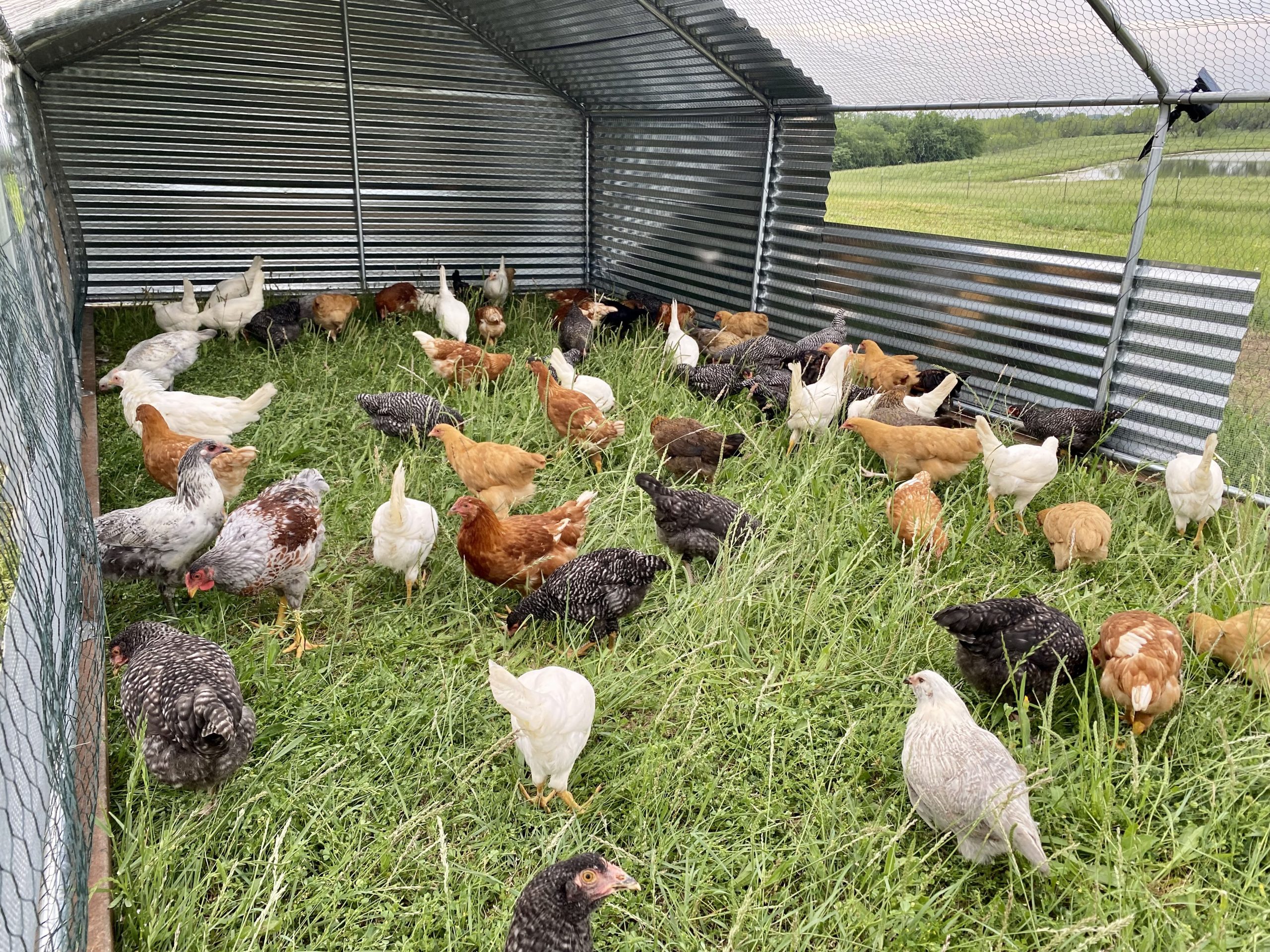
During the last three years, an ongoing outbreak of highly pathogenic avian influenza has threatened poultry flocks in Kansas and across the nation, primarily spread by wild waterfowl. The fall again brought a resurgence of the virus detected in wild birds across the state, and in December several backyard poultry flocks in Kansas were confirmed with cases of HPAI.
The Kansas Department of Agriculture reminds poultry owners that the threat of exposure to susceptible birds in Kansas is high. Anyone involved with poultry production, from the small backyard chicken owner to the large commercial producer, should review their biosecurity activities to assure the health of their birds. Find guidance on biosecurity measures to protect your birds from the spread of HPAI on the KDA Division of Animal Health webpage at agriculture.ks.gov/AvianInfluenza.
This virus is primarily being transmitted by wild waterfowl such as ducks and geese which are migrating through this region. The best thing poultry owners can do to protect their birds is to eliminate possible exposure to wild migratory birds and their habitat. This can take many forms, including cleaning your boots/clothing after walking near ponds and lakes populated with wild birds, keeping your poultry in an enclosure which wild birds can’t enter, and staying away from sick or dead wild birds.
Highly pathogenic avian influenza is a highly contagious viral disease that can infect chickens, gamebirds, turkeys, and other birds and can cause severe illness and/or sudden death in infected birds. This outbreak has seen illness and mortality in a wider scope of bird species than past outbreaks, including wild and domestic waterfowl.
Attentively monitor your birds for symptoms of HPAI which include: coughing, sneezing, nasal discharge, and other signs of respiratory distress; lack of energy and appetite; decreased water consumption; decreased egg production and/or soft-shelled, misshapen eggs; incoordination; and diarrhea. Avian influenza can also cause sudden death in birds even if they aren’t showing other symptoms.
If these symptoms are observed in your birds, immediately contact your veterinarian. If you don’t have a regular veterinarian, contact KDA’s Division of Animal Health office toll-free at 833-765-2006.
HPAI is not a food safety concern; birds and eggs from infected flocks do not enter the food system. As a reminder, the proper handling and cooking of all poultry and eggs to an internal temperature of 165 degrees F is recommended as a general food safety precaution.
According to the U.S. Centers for Disease Control and Prevention, the public health risk for HPAI is low. As part of existing avian influenza response plans, federal and state partners are working jointly on additional surveillance and testing in areas around the affected flocks. The United States has the strongest avian influenza surveillance program in the world, and USDA is working with its partners to actively look for the disease in commercial poultry operations and live bird markets and in migratory wild bird populations.
For more information about HPAI, including current status of the confirmed cases as well as more information about biosecurity for your flock, go to KDA’s avian influenza webpage at agriculture.ks.gov/AvianInfluenza or call KDA at 833-765-2006.