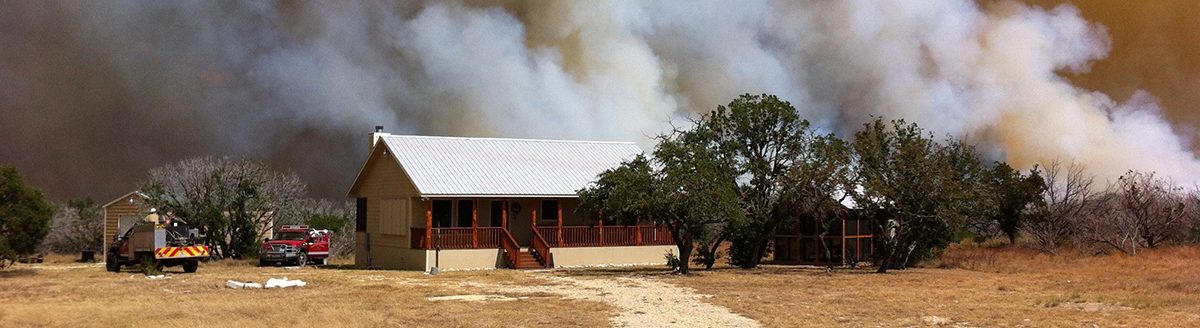
Dry conditions and increased vegetation set stage for higher wildfire risk in Texas
Texas A&M Forest Service advises caution with freeze-cured grasses and high winds
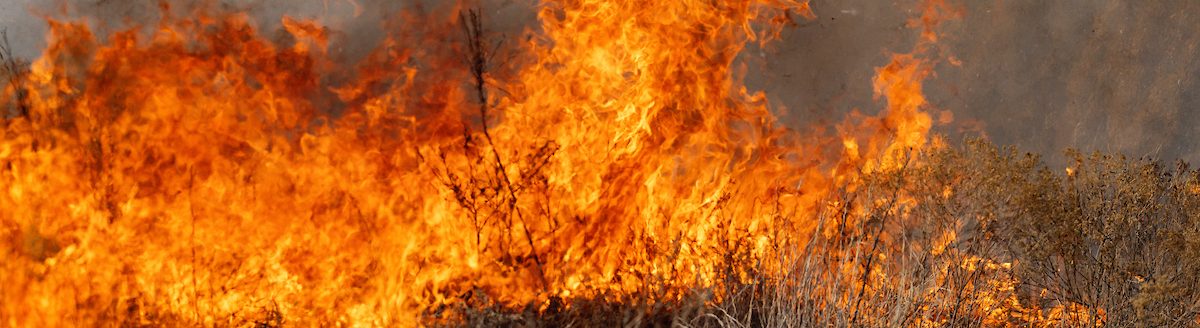
Wildfire activity across the state is expected to increase this winter and spring as above-normal levels of vegetation dry and become highly flammable, according to the Texas A&M Forest Service.
The dormant wildfire season, which occurs during winter and spring, is typically characterized by fire activity in freeze-cured grasses and by increased wind speeds associated with passing dry cold fronts.
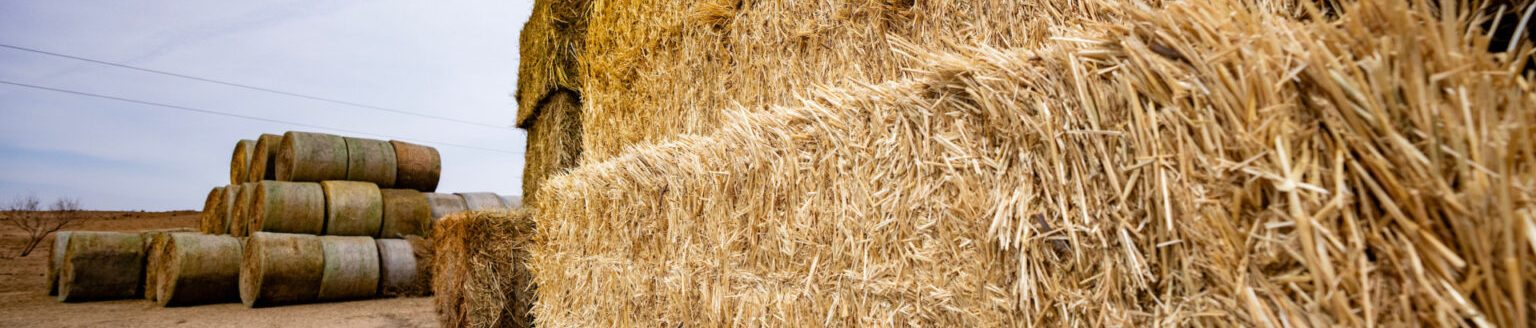
Above-normal grass growth across much of Texas in 2025 creates increased wildfire potential into early spring 2026.
Areas west of Interstate 35, including the High Plains, Rolling Plains and South Plains, have heavy grass loads that could support large, hard-to-control fires under dry, windy conditions. Exceptional grass loads in the Hill Country and Cross Timbers regions pose similar risks, while South Texas and the Lower Gulf Coast remain lower threat until grasses freeze-cure.
Above normal wildfire activity
Texas A&M Forest Service wildfire response has trended 136% above normal from October through mid-January, with agency personnel responding to 434 wildfires that burned 11,425 acres during this period.
“Wildfire activity has increased across the state, driven by underlying drought conditions and above-normal grass production from last year’s growing season,” said Jared Karns, Texas A&M Forest Service fire chief. “With a La Niña climate pattern forecasted, Texas is expected to experience more conditions that favor increased wildfire activity.”
The National Weather Service Climate Prediction Center forecasts a La Niña pattern for early 2026, bringing warmer and drier-than-normal conditions to much of Texas from January through March. These conditions are expected to increase wildfire risk during the dormant fire season.
“We are closely monitoring the increased likelihood of wildfire effective weather in Texas, including conditions associated with Southern Plains Wildfire Outbreaks,” said Luke Kanclerz, Texas A&M Forest Service Predictive Services Department head. “These outbreak events have historically resulted in multiple large, high-impact wildfires that can be difficult to contain and are an immediate threat to public and firefighter safety.”
Stay wildfire aware to reduce human-caused fires
Since 2005, wildfires that ignite under Southern Plains Wildfire Outbreak conditions represent only 3% of reported wildfires but have accounted for 49% of the total acres burned. Under these conditions, grasses dry rapidly and become highly flammable, where even a small spark can ignite a wildfire that spreads rapidly.
Nine out of 10 wildfires in Texas are human-caused. Texas residents are encouraged to stay wildfire aware. Avoid outdoor activities that could spark a wildfire during warm, dry and windy conditions. If a wildfire is spotted, contact local authorities immediately. A quick response can help save lives and property. To stay up-to-date, get the current wildfire situation in Texas or get the current fire environment conditions and fire potential on the weekly Texas Fire Potential Update. Also available is the 2026 Dormant Fire Season Outlook.
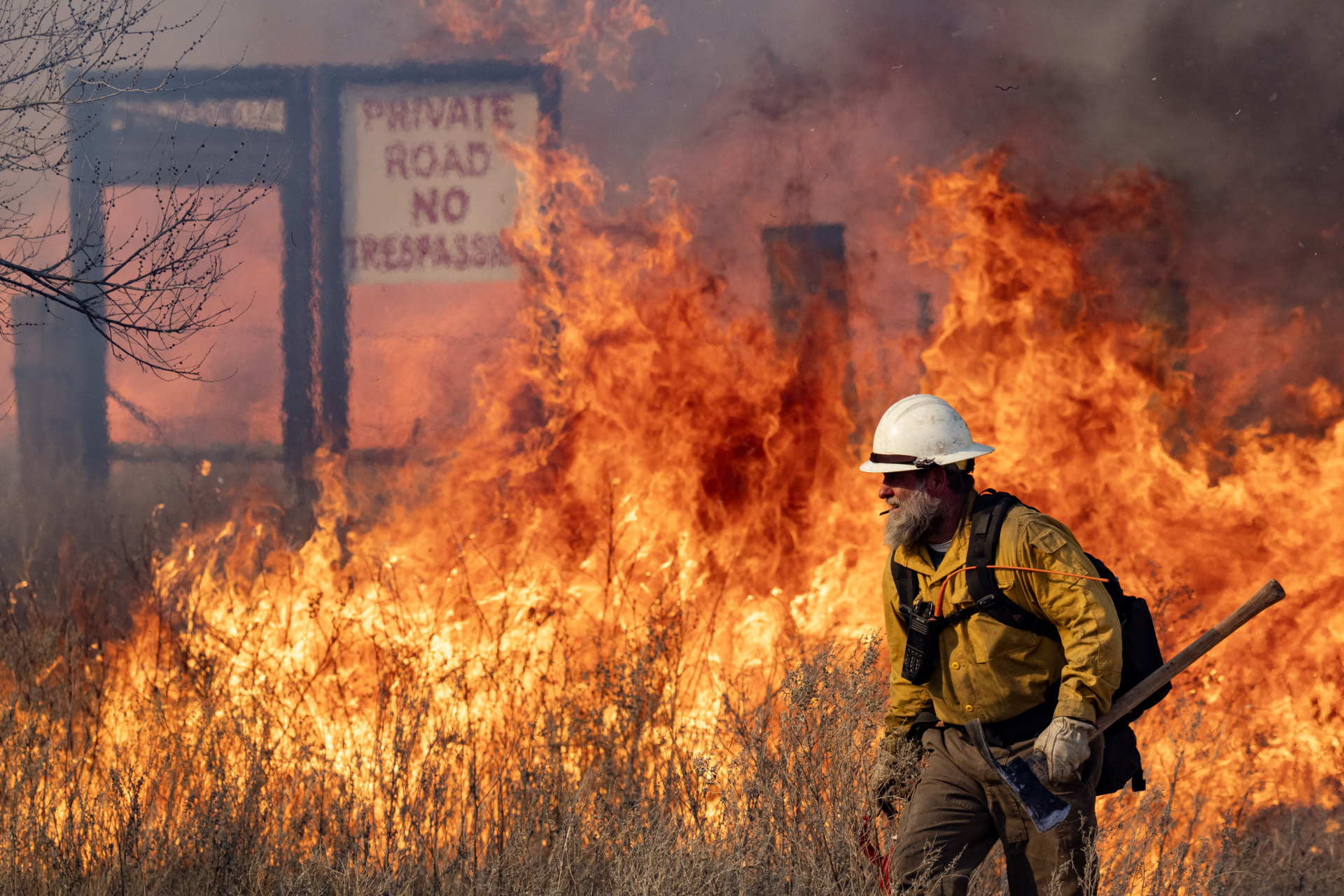
PHOTO: Firefighters battle flames from the reignited Smokehouse Creek fire outside of Miami. (Texas A&M AgriLife photo by Sam Craft)