Texas agriculture producers have experienced a reversal of fortune when it comes to rainfall and soil moisture over the past six months.
Texas A&M AgriLife Extension Service specialists and county agents are reporting widespread drought conditions with symptoms ranging from ungerminated wheat fields and declining rangeland conditions to low water levels in stock ponds due to unseasonably warm temperatures and little rain since July.
Juan Anciso, Ph.D., AgriLife Extension horticulture program leader and associate head of the Texas A&M Department of Horticultural Sciences, Weslaco; and Kevin Heflin, Ph.D., AgriLife Extension agronomist and assistant professor, Canyon, and Ronnie Schnell, Ph.D., AgriLife Extension state cropping system specialist and professor, Bryan-College Station, both in the Texas A&M Department of Soil and Crop Sciences, shared similar reports of warm, dry conditions in their part of the state.
Soil moisture conditions in the Texas High Plains, North, Central and West Texas regions continue to decline. The lack of moisture has left cool-season forages stunted, but producers are hopeful that timely rainfall will arrive to save them and set the stage for spring planting windows.
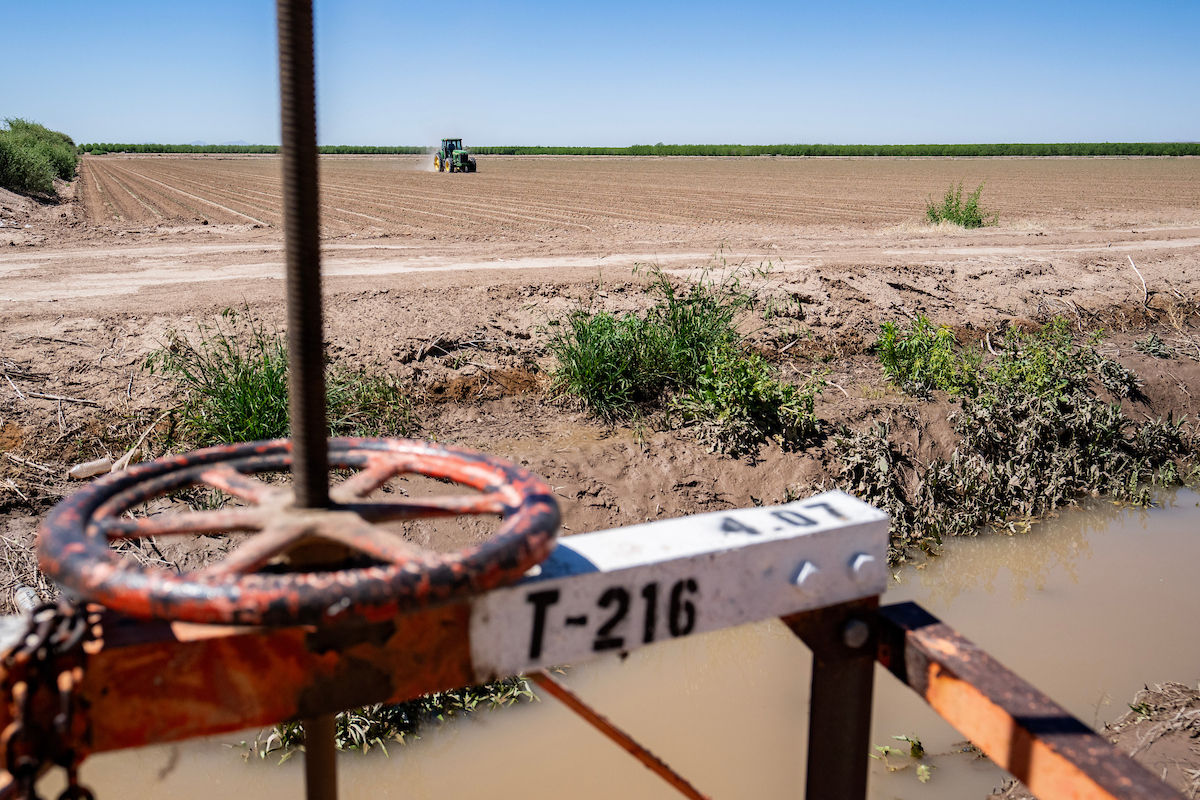
Also, long-term drought in South Texas and northern Mexico has affected watersheds that feed the critical irrigation reservoirs of Lake Amistad and Falcon Lake, raising concerns about water scarcity in the Rio Grande Valley, a major production region for the state and nation.
Record dry spell grips Texas
The U.S. Drought Monitor showed 73% of the state exhibited no signs of abnormal dryness on July 29, 2025. By Oct. 21, less than 11% of the state reported no abnormal conditions. Rains in early December improved conditions for dry parts of the state, but the relief was only temporary as above-normal temperatures set in and additional rains became sparse.
The drought monitor map for Texas on Jan. 15 showed that more than 91% of the state was experiencing some level of dryness, with 63% in drought conditions.
Persistent above-normal temperatures and among one of the driest six-month periods on record have accelerated drought conditions across much of the state, said John Nielsen-Gammon, Ph.D., Texas state climatologist and Regents Fellow in the Texas A&M College of Arts and Sciences Department of Atmospheric Sciences.
Since July, areas around Austin and San Antonio experienced the driest six-month period on record, while much of the southern half of the state ranked among the top 10 driest over that period.
Long-term trends show Texas has missed key seasonal moisture, he said.
September through October, historically one of the state’s wettest periods, has shown rainfall declines since 2000, removing the opportunity to restore soil moisture profiles going into winter.
Nielsen-Gammon said the La Niña weather pattern, which brings above-normal temperatures and reduced rainfall chances to Texas, could be on its last legs, and that a neutral pattern could emerge in February.
“A switch to a neutral pattern drives equal chances of rain from April onward, although the Climate Prediction Center has enhanced chances of dry conditions next fall,” he said. “Warmer temperatures are in all the outlooks.”
Texas crop outlook weakens without rain
Schnell said spotty, insignificant rainfall has left crop fields in the Blacklands region short on available moisture for cool-season crops and upcoming spring planting windows. Many small grain fields are struggling to survive, but the lack of moisture is also negatively impacting weeds.
He expects commodity prices and input costs to be a greater influence on farmers’ cropping decisions, but the lack of moisture could delay planting if rain does not arrive soon.
“We were dry throughout most of the fall, and now in the new year the drought has intensified in most areas,” he said. “The deep soil moisture profile is probably not good in a lot of areas. We need rain for the upcoming planting, and we need consistent rain to recharge the soil.”
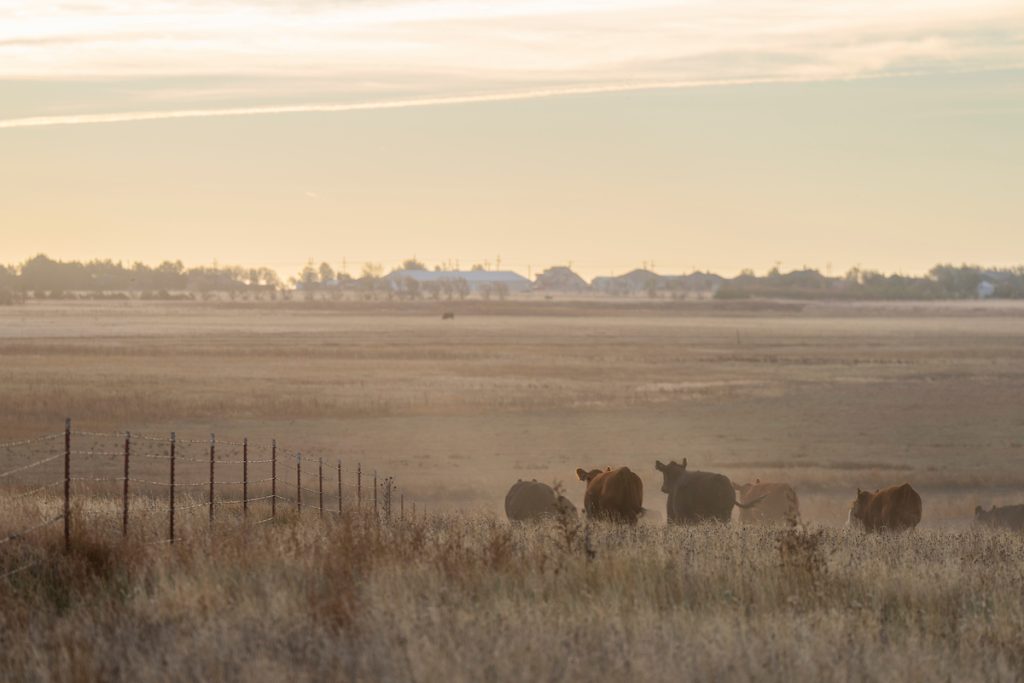
Heflin reported a similar lack of meaningful rainfall since September that has left late-planted wheat fields in the High Plains vulnerable and some fields still not fully germinated. He worries dryland wheat could suffer stand losses and wind erosion could be a problem for growers going into spring planting without rain in the next few weeks.
Producers remain hopeful because they faced a similar outlook last year before timely, evenly distributed 1-1.5-inch rains throughout the summer led to fantastic dryland crops, Heflin said.
“The lack of rain has been exacerbated by the very warm winter,” he said. “Aside from the lack of productivity in wheat due to moisture stress and concerns about wind erosion, we’re seeing weeds like kochia already.”
South Texas water supplies tighten
Anciso said producers in South Texas were “plugging away at the bare minimum” of water and soil moisture but hopeful that conditions might improve.
U.S. water capacities at Amistad and Falcon reservoirs, which provide irrigation water for crops in the Rio Grande Valley, remained critically low at 35% and 18%, respectively. An anticipated 202,000 acre-feet allotment of water from Mexico on Dec. 15 has not yet materialized.
Some vegetable producers are buying additional irrigation allotments to keep their fields productive, Anciso said. Cool-season vegetables are progressing well and acreage is comparable to last year.
Anciso said the lack of soil moisture is delaying planting of some triticale and ryegrass windrows in watermelon fields. Citrus growers could face water challenges as orchards approach peak irrigation demand from May to September as fruit fills out.
“These drought conditions and the water supplies make the situation pretty rough for us,” he said. “Growers remain optimistic, but we need rainfall and a lot of rainfall in the right places.”
PHOTO: Irrigation supplies along the U.S.-Mexico border are tightening as regional watersheds that replenish critical reservoirs have not received rainfall. (Sam Craft/Texas A&M AgriLife)