Editor’s note: Kelli Loos is filling in for Trent this week.
The year was 1862 when President Abraham Lincoln signed the Homestead Act, granting people who had the tenacity to stick out the hardships of forging a living from 160 acres of uncut land the opportunity to be landowners.
Those hearty landowners used the few provisions that survived the trip and the resources they could find in their chosen area to carve out homes, barns, gardens, and livestock operations. Everything they did was out of necessity to keep their family and their animals alive.
As we charge into 2026, the growing trend in America and many other “developed” nations seems to be a resurgence in homesteading, only now it is by choice and not out of necessity. Their rationale for this return to life on the land is a strong desire for self-sufficiency. There is also a greater awareness of the dangers of highly processed foods. Many just want to become more grounded in nature and find a simpler way to live.
If you’re not sure people are looking outside of the megamarkets to find their food, consider that the number of farmers’ markets grew 75% from 2015 to 2020. COVID-19 also helped bring a robust business to small-town meat processors who could directly connect consumers with the farmers that fed the animals. We are beyond masks and shutdowns, but business is still booming at local lockers and many have expanded to serve even more customers. Once consumers taste the quality of direct purchased protein, they rarely return to the meat counter at a grocery store.
Homesteaders are also raising their own meat, milk and eggs. According to the U.S. Poultry and Egg Association, backyard poultry flocks increased by 582% from 2015 to 2020. Chickens, goats and cows are the most popular animals among homesteaders with 55% of all operations raising some kind of animals. Many homesteaders are also beekeepers and contribute to the 157 million pounds of honey produced in the United States each year.
According to the National Gardening Survey, home gardeners produced more than 1.6 billion pounds of vegetables in the U.S. in 2020 with tomatoes, sweet corn and peppers the most popular. Such an increase in the desire to grow garden vegetables hasn’t been seen since Victory Gardens were encouraged during World War II to help feed a nation at war. The lost art of food preservation is making a comeback that parallels the resurgence in gardening as a means to store all the foods raised in these gardens.
From sour dough bread to cheesemaking, people across the country are trying their hand as raising, making and preserving their own food. There are websites and educational programs and social media influencers showing people how to do all the things our parents and grandparents did to survive—converting the resources at their disposal into food and fuel and making sure they had enough stored up to get through the winter when the garden was dead.
I don’t consider these “lost arts” – I think they are more appropriately called “life skills” because arts seem to be something extra or special. When this crazy world takes us down a path we are least expecting (or maybe some are expecting it), we will need life skills.
We’ll need to know how to skin a rabbit and start a fire with just a couple sticks, in my opinion. It will be to our benefit if we’ve got some canned food in the cellar, a big pile of wood outside on the porch and a way to filter our water that makes it safe to drink. We may even need to be resourceful enough to generate some electricity or make fuel for an engine. We’ve got to be able to use the resources we have at our disposal to provide for the essentials that we need—just like the original homesteaders did.
Editor’s note: The views expressed here are the author’s own and do not represent the views of High Plains Journal. Trent Loos is a sixth-generation United States farmer, host of the daily radio show “Loos Tales” and founder of Faces of Agriculture, a non-profit organization putting the human element back into the production of food. Get more information at www.LoosTales.com, or email Trent at [email protected].
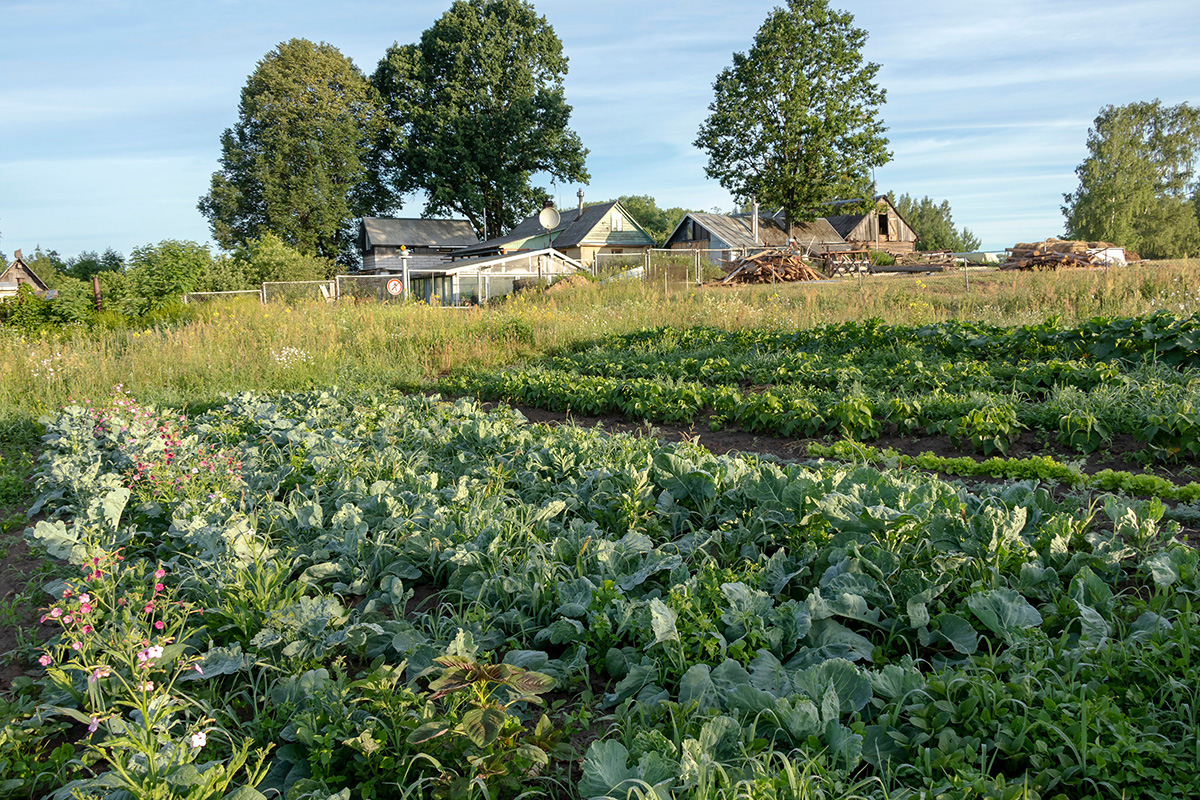
PHOTO: Vegetables growing in permaculture garden, traditional countryside landscape. (Adobe Stock │ #275817391 – nomadkate)