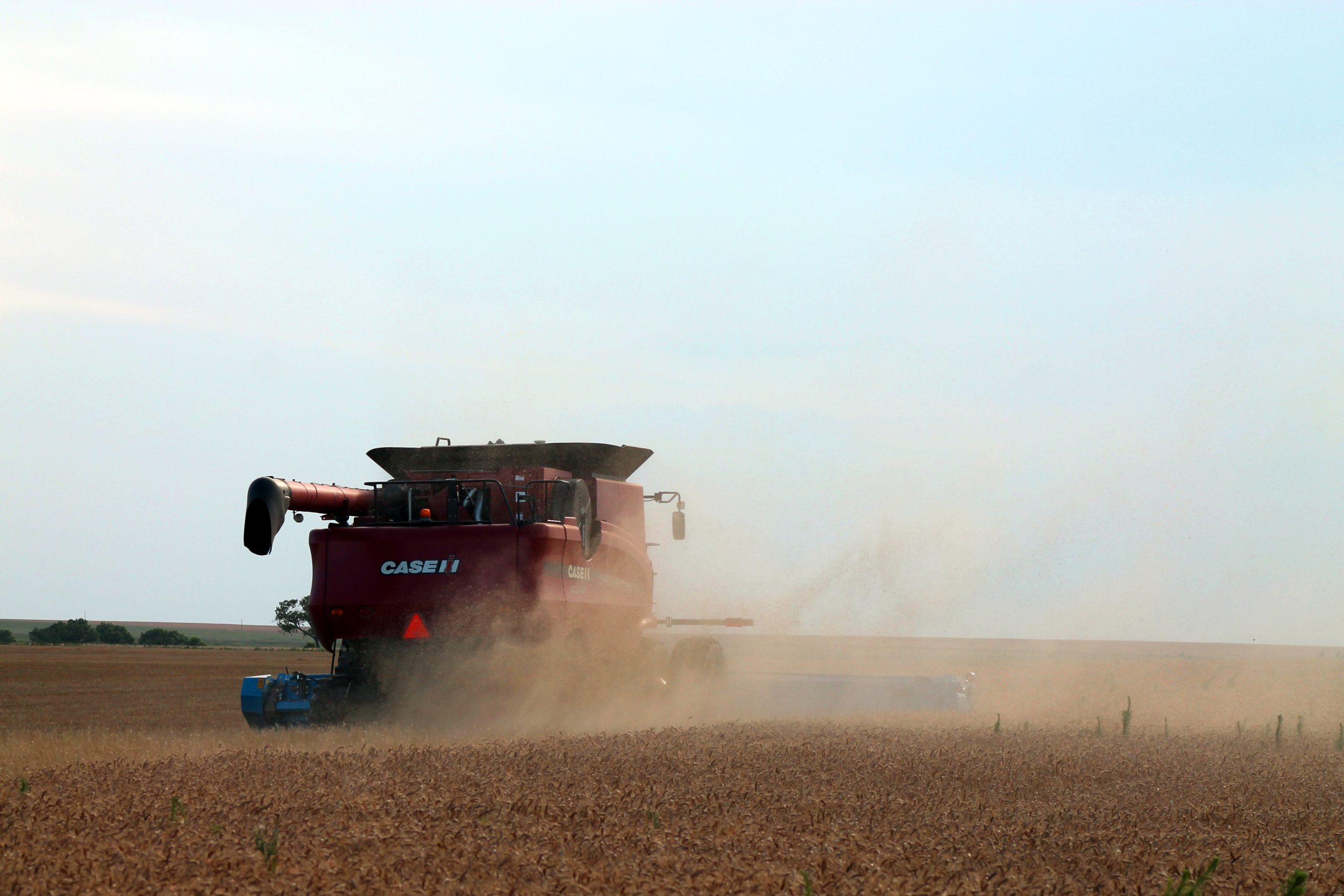
When you are a farm kid, you tend to eat, breathe and live what your parents do. We did that too—John Deere equipment, Dodge pickups and the farm life. Harvest had to be the most anticipated time of year with its hot days in the field and the possibility of picking up a bottle of grape soda at the elevator.
Always a farmer through and through, I remember the dirt and grease on my dad’s jeans and how mom always asked, “what did you do, roll in it before you came home?” I remember how tan her upper arms were from the sleeveless shirts she wore during the summer driving tractor or hauling wheat to the elevator. They were living the life many before them had in their own way.
Born in 1978, I barely remember how farming in the 80s was, but it wasn’t for the weak of heart. The economy was in shambles and a lot of folks in farm country had to make some very hard decisions. My hometown changed along with it. Agricultural businesses came and went. Some are still here, while others are a distant memory.
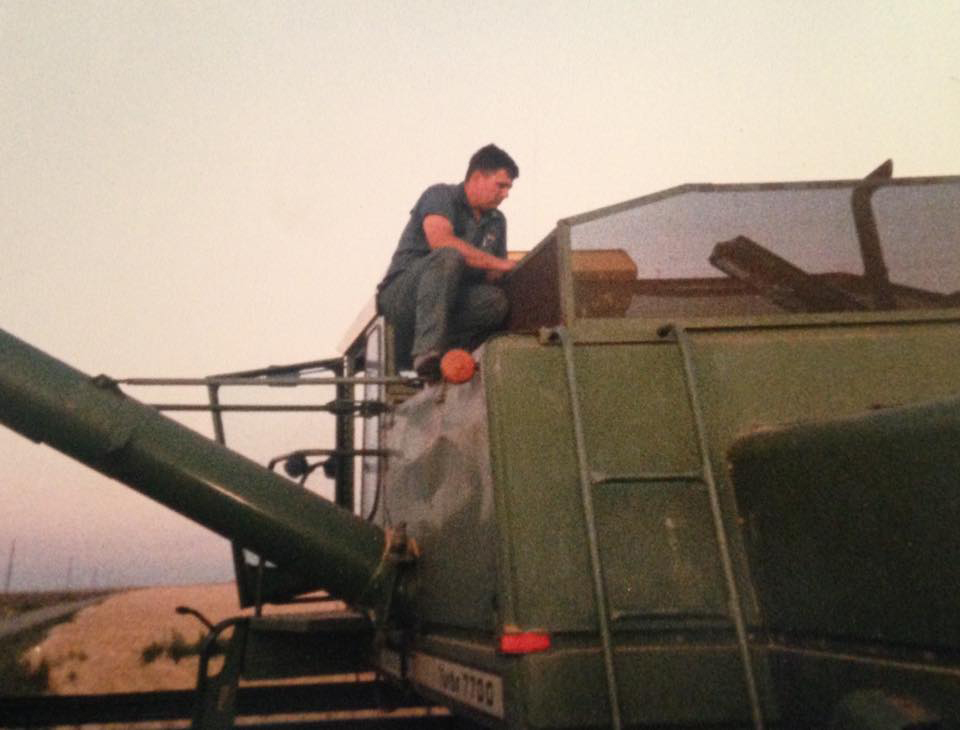
Some of my earliest childhood memories were of my dad leaving for work at the local John Deere dealership dressed in his green shirt and pants with the yellow deer emblazoned on one side and Valere on the other in cursive embroidery. Dad also farmed some on the side and many times he would come straight from work to the field. A time or two he even burned some vacation days for harvest.
The only John Deere building I remember is the one that’s still east of town on the highway. But before they moved out there, there was a building near downtown Dodge City built in 1929-1930. The John Deere Plow Company’s new transfer house started serving area farmers in April 1930 according to a Dodge City Journal article. Present day, Lopp Motors has their business on the east side of the old warehouse.
In another article from Oct. 10, 1929, said the three-story building would have 38,000 feet of ground space on West Santa Fe Trail at the corner of Third Avenue. On top of the building a 60 foot long by 30-foot-high sign will be the largest in town. The John Deere trademark will be lit with red flood lights. Now that would be a sight to see, and man, what would something like that sign be worth to collectors now?!
The building’s first floor was set to be devoted to sample rooms, repairs and some of the parts department and offices. The warehouse was on the second, third, and basement floors. An elevator equipped to carry a tractor to the top floor was supposed to be installed. I would imagine it was quite a sight to see. Dad once said they used to hop on the train and ride it back and forth when they needed to move equipment from the warehouse to the new building.
For a lot of years, he wore the John Deere green uniform, and so did us kids. My favorite t-shirt had “Nothing runs like a Deere,” across the chest with the Deere logo of the time. So much time was spent in that dealership. Then there was a day I learned what a “pink slip” was and that the local John Deere company store was no more and Dad didn’t have a job there. I remember the hard feelings and despair.
He didn’t let it deter him though, like a lot of things in his life he just took on more, worked harder and dreamed bigger. He picked up more acres, custom farming for others around Howell and Spearville. He did take his John Deere business to Thomas Implement in Cimarron and us girls drove a lot of miles perfecting our transportation skills, picking up parts, gathering meals and delivering them to the field.
One summer before we were of driving age, we were all in the field waiting on the combine to come around and fill the tandem truck we were playing in. Shorts, t-shirts and flip flops were a uniform for my twin sister and I. We weren’t quite old enough to know better, but we were playing in the wheat and trying to stay out of trouble. We started burying each other’s flip flops and trying to find them. Now, for us kids, this was a big deal. Grandma Wetzel had made a tradition of taking us at the beginning of each summer for a new pair of flip flops at the Merc in Spearville. Losing one of them was pure devastation. Sure enough, as the combine neared, one of my flip flops was nowhere to be found. Good thing we had made friends with the guys working the dump at the elevator and the lost was retrieved before it was lost forever.
Another memory in the harvest field was when I was a teenager. I was sitting out in the field between Cimarron and Howell waiting for my next assignment. One minute it was blazing hot—well over the 100-degree mark on the thermometer. I’d closed my eyes to see if I could get a quick nap and when I opened them next, the dark blue almost black sky to the west was moving in rather quickly. Needless to say, we didn’t quite get that field finished that day, but you can bet my dad, and his crew stayed to the bitter end.
Probably the best feeling was when harvest was over. My parents would spend hours going over tickets and arguing if there was a misplaced one. She always had the adding machine humming and when they reached an acceptable number, they decided when to sell. Then the bills were paid. Sometimes there wasn’t always enough to go around, but he normally managed to make things work.
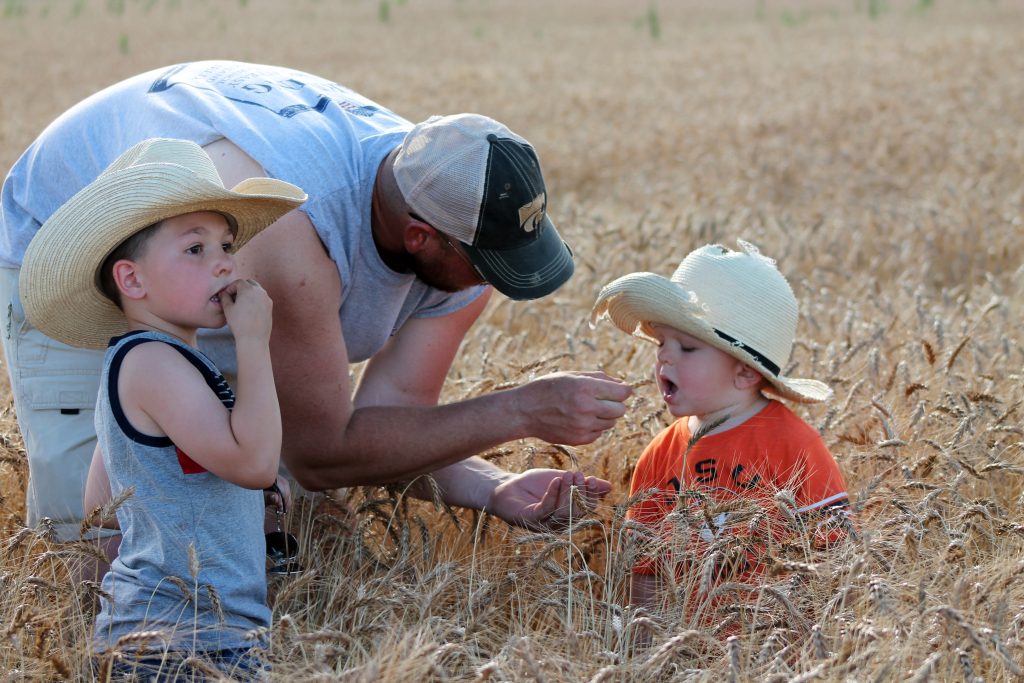
Us kids knew it was a good harvest if we got rodeo tickets, a new pair of jeans or boots and we had the box of fireworks that became so important in a few weeks. I now know the feeling of satisfaction we get when our calves are sold at the end of the year, and we can satisfy our obligations at the bank.
If I could I’d go back and soak in all the sights, sounds, smells and experiences of harvest in western Kansas I would. Be sure to check out what our All Aboard Wheat Harvest correspondents are up to on their journeys across the High Plains during harvest this year.
Kylene Scott can be reached at 620-227-1804 or [email protected].