On to a ‘skinny’ farm bill
Now that President Donald Trump’s Once Big Beautiful Bill has been signed into law, the next priority of ag advocates is getting a “skinny” farm bill passed. The existing 2018 farm bill has already been extended twice to prevent a lapse in funding and program authorization.
The OBBB included some items in the Senate Republican version of the proposed farm bill overseen by Sen. John Boozman, R-Arkansas, who chairs the Senate Committee on Agriculture, Nutrition, and Forestry. The farm bill includes both mandatory and discretionary spending, with mandatory programs dominating the debate. But several contentious issues were deferred or postponed for later consideration in a stand-alone farm bill.
Both the House and Senate are still struggling to find common ground on key issues, including funding for conservation programs and the future of Supplemental Nutrition Assistance Program. If a new farm bill is not passed before the current extension expires in September, it’s likely that Congress will attempt to finalize it during the lame-duck session after the November elections. Full reauthorization of nutrition programs like SNAP and The Emergency Food Assistance Program is still needed.
Boozman’s framework emphasizes putting “more farm in the farm bill.” While some Democrats have expressed support for parts of his framework, significant concerns remain on climate-related funding and potential cuts to conservation programs.
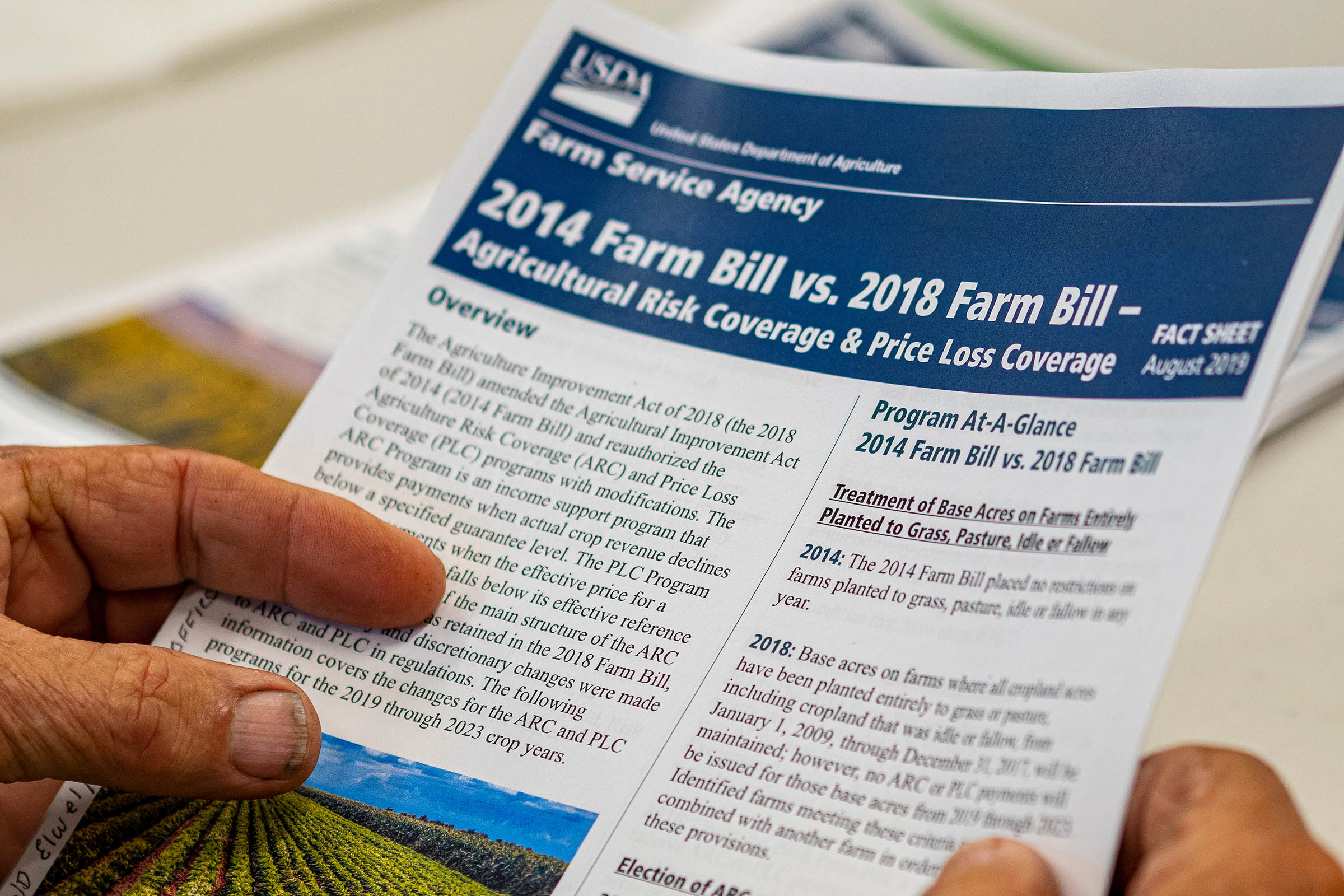
The reconciliation bill left out key decisions about payment limits, and crop insurance program adjustments. Proposals to reform the safety net (like changing Price Loss Coverage and Agricultural Risk Coverage) were left out. Specific supports for dairy margin coverage, cotton competitiveness and specialty crop block grants were deferred. Though funding was expanded, structural reforms to conservation program eligibility and implementation were postponed.
Perhaps most important, efforts to address the H-2A visa program, agricultural labor shortages, or protections for undocumented farm workers ended up not being included in the OBBB.
Subsidy limit proposal sparks conflict
Boozman faces a potential conflict over farm payment policies with Sen. Chuck Grassley, R-Iowa, who proposed an amendment to limit income for farmers receiving federal subsidies. Boozman worked with Grassley to table this amendment, promising to collaborate on related priorities later.
Grassley is concerned about “outside managers” and investors gaming the farm-subsidy payment program. He has proposed to reinstate a “hard cap” on commodity payments—returning to the previous $125,000 per person (plus spouse) limit instead of raising it to $155,000. Grassley also wants to impose a work‑hour requirement—such as 25% of farm management or at least 500 hours—to ensure that only actively engaged farmers, not absentee investors, receive commodity payments. He estimates these restrictions could save around $5 billion by focusing taxpayer dollars on actual working farmers.
David Murray can be reached at [email protected].