K-State expert says research offers clues on successful crop performance and strategies for future growth
Kansas experienced a robust canola harvest this year, driven by an optimal spring that enhanced crop development and reduced pest and disease pressures.
Kansas State University canola breeder Mike Stamm said the collected data now offers valuable insights for refining planting strategies and improving yields in the years ahead.
“Overall, it turned out pretty well for most producers,” Stamm said. “We saw a great yield of 35 to 45 bushels per acre, with some fields pushing 50 or better.
The successful harvest was largely attributed to a favorable weather pattern that included dry conditions in early spring, followed by timely and consistent rainfall through late spring and early summer.
“Canola thrives in cool, damp conditions,” Stamm said. “The weather this year was ideal for the crop, and we saw that reflected in the yields.”
While the season wasn’t without its challenges — such as reports of powdery mildew — overall, the crop proved resilient, benefiting from both the climatic conditions and careful management practices. The variety trials at K-State demonstrated the crop’s potential, with some locations averaging yields in the low 60s and top-end yields reaching 80 bushels per acre.
“We had some promising material in our breeding program,” Stamm said. “We’re seeing yield levels that are comparable to hybrid yields, which is really exciting.”
Looking ahead, Stamm recommends that producers consider a diverse mix of hybrid and open-pollinated varieties. “I want growers to think about having a diverse selection of varieties,” he said. “Hybrids typically have improved pod shatter tolerance and higher yield potential.
The plentiful harvest provided a snapshot of what ideal weather conditions can offer producers and allowed K-State researchers to collect adequate data from variety trials, which offer insight into crop performance and potential strategies for future growing seasons.
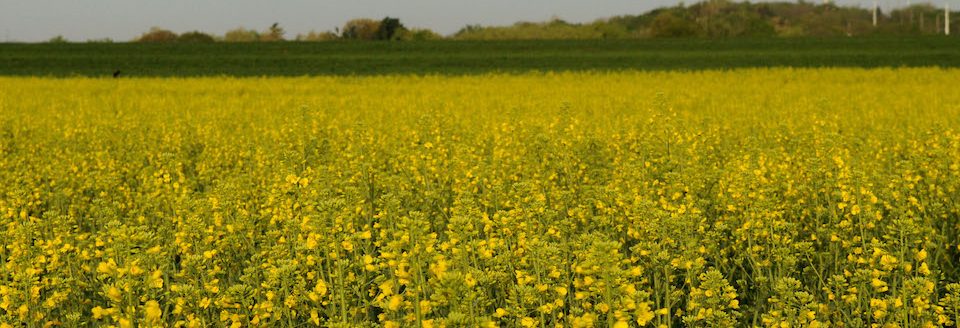
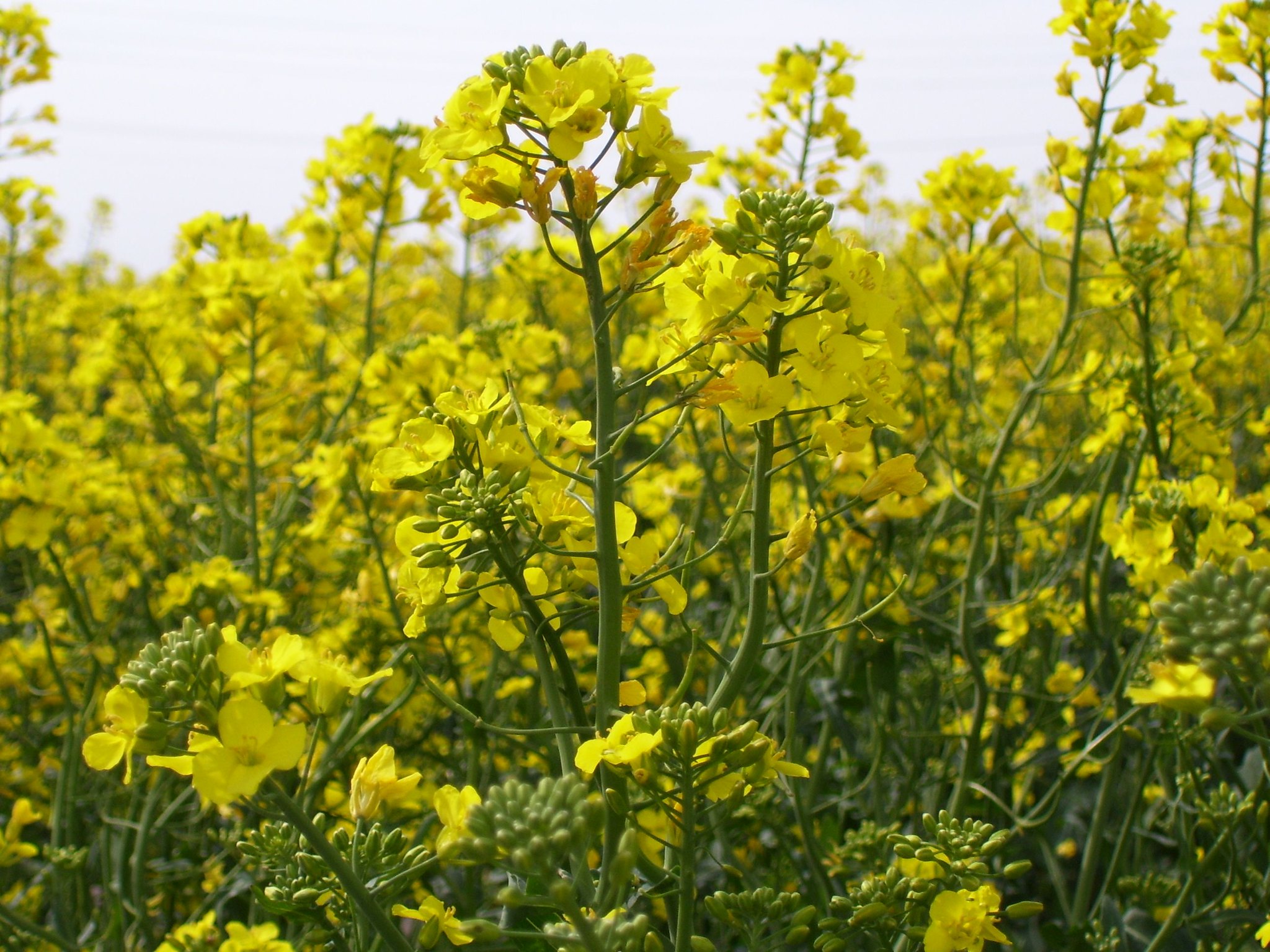
PHOTO: Canola (K-State Research and Extension news service)