
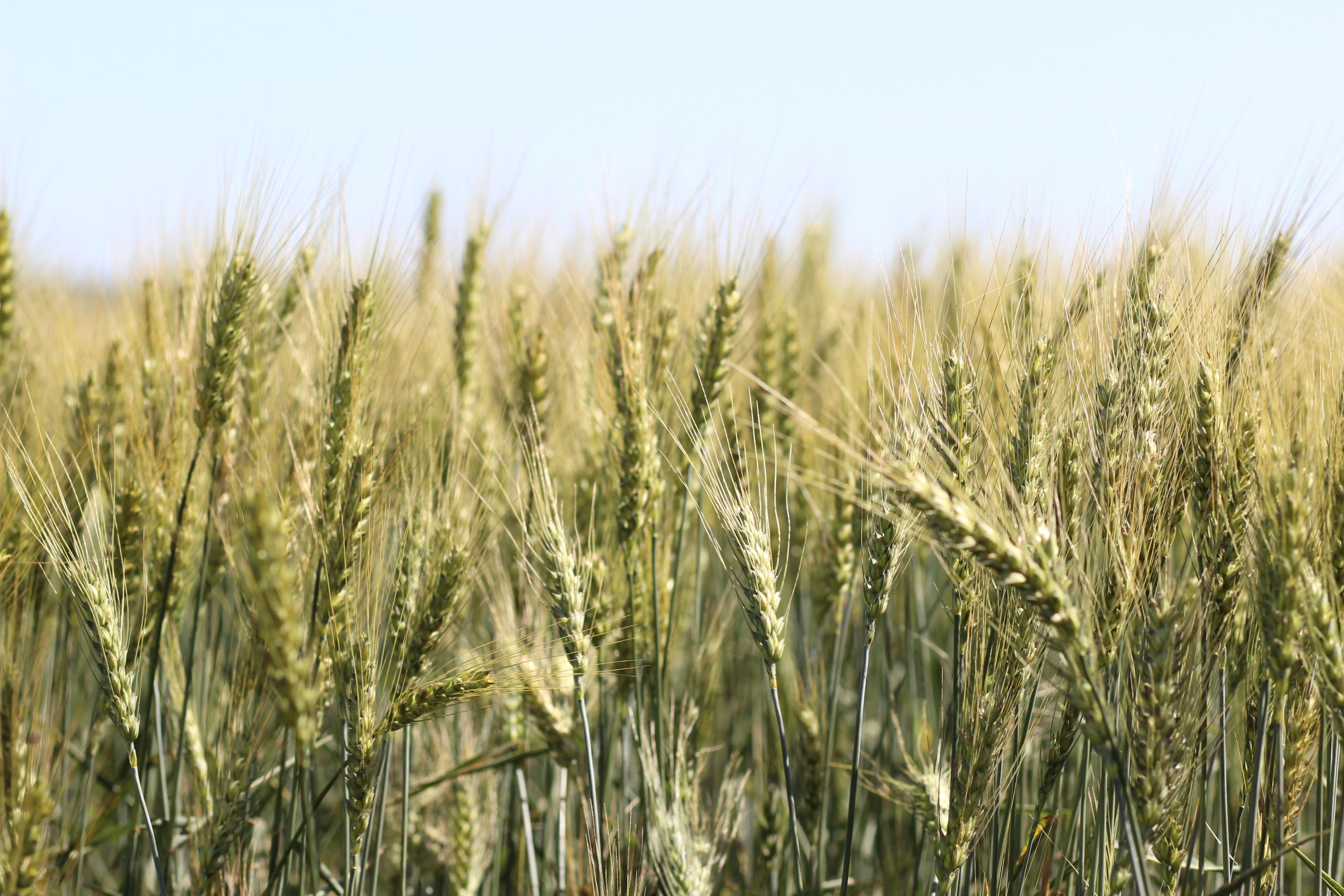
Wheat planting season in the High Plains is a crucial time for growers that often hinges on several factors. It is often associated with prayer for timely rain, late nights in the tractor, and anticipation of a good stand that will thrive until summer harvest.
In Oklahoma, planting time is generally September through October, but producers are sometimes forced to plant in November or December due to lack of moisture. However, recent research conducted at Oklahoma State University along with the release of a short-season variety, has researchers and producers looking at planting dates through a different lens.

Amanda De Oliveira Silva, OSU associate professor and Extension specialist for small grains, said in Oklahoma, the focus has previously been on dual purpose wheat and early planting. However, Silva and Brett Carver, OSU’s regents professor of wheat breeding and genetics, began to consider the merits of short season, late planted wheat after they had a conversation with Fred Schmedt, a farmer from Altus, Oklahoma, several years ago.
Fred, along with his brother, Wayne, grows wheat, cotton and grain sorghum, and often aim to plant much of their wheat late—between November and December—because they have cotton still in the field during the traditional wheat planting window. Once cotton harvest is over, it’s finally time for the Schmedts to start drilling wheat.
“Our dad and granddad would sow wheat after harvested cotton, which sometimes can be very late, and they called it cotton stalk wheat,” Fred said.
Fred said in past, he has planted traditional varieties, such as Showdown and AP Roadrunner late, but harvest for those fields would be at least two to three weeks later than other varieties that were sown during early or prime planting. This not only complicated harvest plans, but also the timing for the planting of their next crop in those fields.
“We realized they needed something with a short season maturity that they could plant after cotton and would not delay harvest,” Silva explained. “Short season wheat is not only adapted for late planting, but if you plant it late, it will mature at the same time as the others that were planted a month earlier.”
Carver and Silva realized the germplasm to develop a short season variety with fast maturity was already in OSU’s greenhouse and could be perfected and released in a relatively short period of time. In 2020, Carver released Butler’s Gold, the first and only short season wheat variety, and the same year, Silva said research began to study how this variety’s performance compared to others available.
Short season considerations
Fred, who now plants and sells certified Butler’s Gold seed, said he has been happy with the variety and the sped-up maturity it offers. He referred to it as a niche variety that is not widely planted across the state, but the seed fits in nicely to double cropping systems that are expected to be planted later. The U.S. Department of Agriculture’s Oklahoma Wheat Variety Report indicates 0.4% of the 2024 crop in Oklahoma was planted in Butler’s Gold.
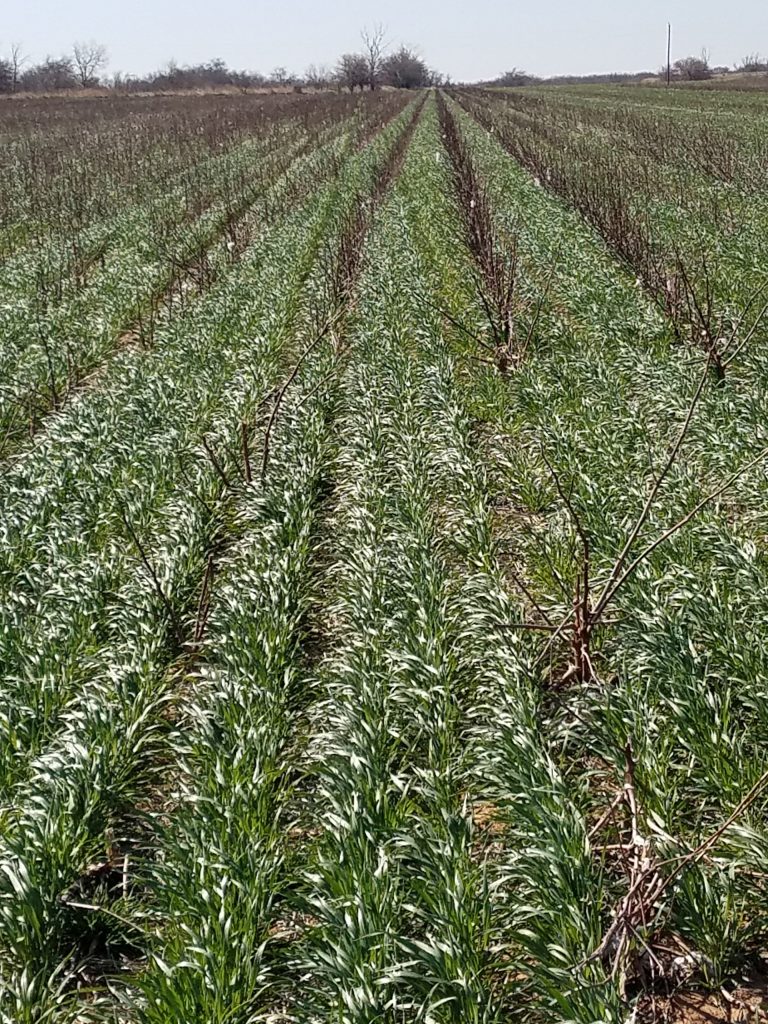
“It gets out of the ground quickly at cooler temperatures, if you have moisture,” Fred said. “But having moisture in our part of the world is always an issue. This variety probably grows a little better through the winter. Wheat goes physiologically dormant in the winter, but some varieties tend to grow more than others. I think Butler’s Gold is one of them.”
Both Fred and Silva said the most important consideration when planting Butler’s Gold is to avoid planting it early.
“If a farmer accidentally planted Butler’s Gold too early, like September or early in October, depending on where they are in the state, they could get caught by those late spring freezes, because it does mature and breaks dormancy fast,” Silva said. “We know here in Oklahoma that very often we have freezes in April, so you could expose the crop a freeze at a very susceptible time when it is flowering.”
Fred agreed, recommending producers not plant Butler’s Gold before Nov. 11. He also added that sound cultural farming practices, such as weed control, are vital to success with this early maturing variety.
“You have to be sure you are controlling winter annuals that have already come up before you plant,” he said. “We are no-till, and sometimes we spray before we sow those later fields because there will already be some winter bromes out there. And if you’ve got marestail in your field, you need to have Quelex in your weed program.”
Fred said Butler’s Gold does not always look like the best field in the section, but it usually surprises him once he gets in the combine.
“It’s kind of deceptive,” he said. “It has a big, robust head, with a high-test weight,” he said. “This year we had Butler’s Gold in cotton stalks that was sown Dec. 4, 2024, and it made 50 bushels an acre. In 2024, we had a whole quarter section of Butler’s Gold that made 56 bushels. It was sown on Nov. 11, which is not really late for us. But for some people, that would be somewhat late.”
What have the studies shown
Silva said so far, the research on short season wheat has compared Butler’s Gold to several OSU varieties, such as High Cotton, Showdown and Doublestop.
“We wanted to compare it to different maturity patterns and tillering times, because some varieties will tiller more in the fall, some will tiller more in the spring,” Silva said. “In one of our research trials, four out of six years the late planted variety out yielded the earlier planted varieties, and that could be for several reasons. It could be because we had several ice storms in the fall that prevented germination or the emergence of the earlier planted wheat. Sometimes the earlier planted wheat is more prone to late spring freeze in April than late planted wheat. So, it really depends on the weather that year.”
Silva said one of the most significant takeaways from the study has been the researchers’ original hypothesis about late planted wheat was proven to be incorrect.
“We always assumed that when we delay planting, we are going to lose yield, but depending on the year, that is not the case,” Silva said.
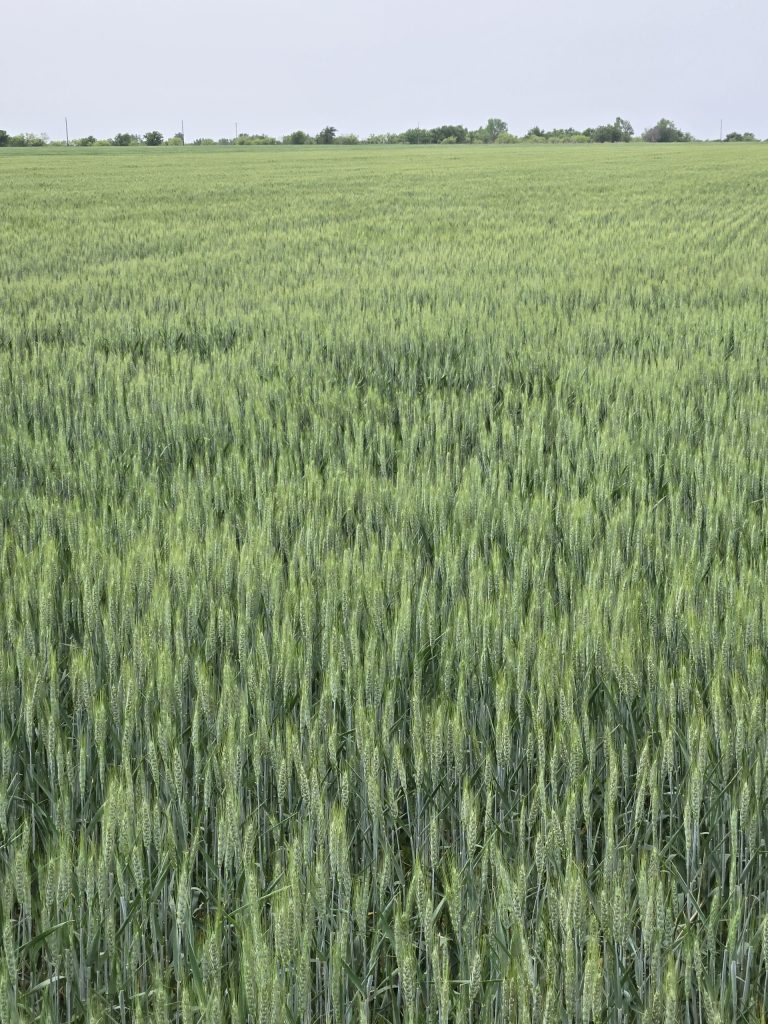
She said during one of the studies, High Cotton was compared to Butler’s Gold. As expected, when planted in October, High Cotton out yielded Butler’s Gold. However, when both varieties were planted in December, Butler’s Gold topped High Cotton at harvest.
“In some other studies that we had, Butler’s Gold did not out yield the other varieties, but we saw that maturity pattern or abbreviated growing season of interest,” she said. “If we had a farmer that was waiting to plant soybeans right after their wheat was harvested, that wheat variety and its maturity pattern, would be more important for them than having a variety that yielded a little more, but took an extra two weeks mature.”
Silva said the research OSU has been conducting on late planted wheat has led to some surprising results when it comes to seeding rate. She said it was assumed that late planted wheat would require an increase in seeding rate.
“The reason for that is that we thought we needed to compensate for lack of time for fall tillering when you delay planting,” Silva explained. “We increased seeding rate in our studies from 870,000 to 1.4 million seeds per acre. When we did that, we did not see any improvement in yield. So, there is no need to bump the seeding rate to 1.41 million seeds per acre.”
Silva said testing different varieties in late planted scenarios will continue and additional studies are being expanded to farm scales, not only at research plots, but also on active production farms to learn more from these varieties in different environments. Part of the next phase of the research also relates to nutrient management for late planted, short season varieties, especially when it comes to nitrogen.
Carver is currently working on experimental lines of new short season wheat varieties in hopes of releasing additional varieties with the maturity flexibility of Butler’s Gold, but with higher tillering and yield potential. Silva said they hope to add additional traits to the new varieties, such as a Coaxium trait.
Lacey Vilhauer can be reached at 620-227-1871 or [email protected].



