Farmers can thrive while navigating through water supply problems
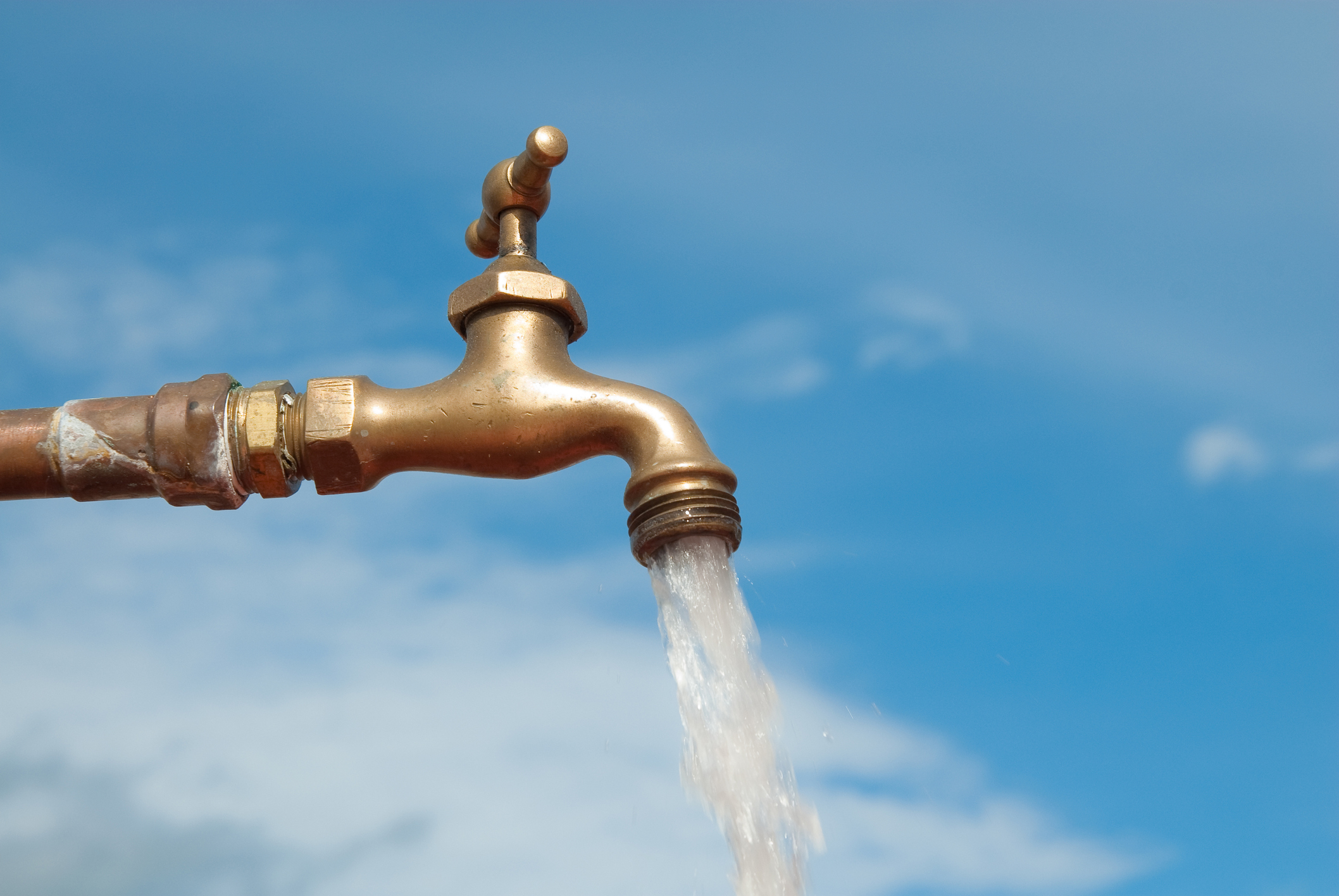

Today’s farmers face formidable challenges as water scarcity is exacerbated by the need for increased production. As many agricultural regions become drier, regulations are increasingly coming into play for managing water resources.
Maximizing every drop requires innovative processes and modernized irrigation systems.
Growers have traditionally leveraged flood and pivot irrigation systems to supplement rainfall. They essentially require unlimited water and often waste a large percentage of the water. As much as 50% of water applied in flood irrigation is lost through runoff, evaporation, transpiration and diversion.
Both pivot and flood irrigation can leave fields unevenly watered, with some areas over-watered, and others left too dry. Excessive runoff wastes fertilizer and impacts soil health. Depending on the region’s winds and heat patterns, up to 35% of water can evaporate before reaching roots with pivot operations.
Farmers who are experiencing increased water limitations should look to innovative solutions with a proven track record of using less water to irrigate crops. One possible method is subsurface drip irrigation. This technology delivers water and nutrients straight to the crop’s roots.
Modern SDI has been on the market for more than half a century, yet it is still not used widely outside of specialty crops. Why aren’t more farmers adopting SDI or considering alternative forms of irrigation? One of the biggest barriers is simply a general lack of awareness. Many believe that SDI is a solution only needed in areas that experience drought conditions.
While technologies like SDI have demonstrated clear benefits for water-scarce areas, the precision they offer over flood and pivot is what makes it such a useful tool for farmers in growing regions across the nation. Precision irrigation ensures that crops receive the appropriate amount of water and nutrition, regardless of field topography—driving uniform and better yields. As an efficient water and fertilizer system, SDI has been shown to reduce the usage of water and fertilizer, lowering operational costs for farmers.
SDI is a great option for agricultural regions in the United States that are prone to tornadoes and hurricanes. Above-ground irrigation systems are often at risk of damage from volatile weather, requiring downtime repairs and replacements, but extreme weather does not normally affect subsurface drip systems.
The primary hurdle for SDI for farmers is initial installation costs. While SDI has higher installation costs than other systems there is a long-term return on investment. SDI has shown a reduction in water, energy, fertilizer, and labor costs. Many states offer financial support and federal government programs that can be leveraged to reduce expenses. Corporate partnerships are another avenue to subsidize installation costs.
In these programs, companies with water-heavy footprints provide money to farmers looking to upgrade their irrigation systems, bridging the gap they might need to cover installation costs. These partnerships benefit both parties, as corporations with public sustainability commitments can demonstrate how they reduce water use and carbon emissions while farmers can bridge funding gaps for new SDI systems.
A less obvious barrier is the learning curve that comes from adopting a new system. Compared to other irrigation methods, SDI water usage is almost invisible. Farmers who are used to the sight of water on the surface of their fields don’t see the same visual indicators with a subsurface drip irrigation system.
Lastly, growers sometimes hesitate because they don’t believe they’ll see the return on investment on their field crops. High-value specialty crops like tomatoes, wine grapes and tree nuts do deliver a faster ROI than field crops, but field crops can also benefit from precision irrigation. SDI systems, for example, are up to 40% more efficient than pivot or flood, in my opinion, and can last up to 25 years, making them a good long-term investment regardless of your crop.
While farmers continue to face hurdles related to water, there are irrigation innovations that can play a critical role in future-proofing their operations. By adopting a precision irrigation system that can do more with less, they are assuring consistent and increasing yields even as water restrictions become more common. Those who invest in solutions to today’s challenges will continue to thrive in the years to come.
Mike Hemman is senior vice president and head of North America with Netafim USA.