Thanks to timely spring rains and relatively mild summer temperatures, hunters have reason to be optimistic as they take to the field this fall, according to a Texas A&M AgriLife Extension Service expert.
Although portions of the Trans Pecos, Edwards Plateau and South Texas Plains continue to experience some form of drought, more than 60% of the state is drought-free, according to the U.S. Drought Monitor.
“Whenever we have sufficient spring and early summer rains, we tend to see really good recruitment, leading to population growth across most species,” said Marcus Blum, Ph.D., AgriLife Extension wildlife specialist and assistant professor in the Texas A&M College of Agriculture and Life Sciences Department of Rangeland, Wildlife and Fisheries Management.
These rains facilitate the growth of vegetation, which not only provides nutrition, but critical protection for nesting, brooding, fawning and thermal cover from the summer heat.
Dove populations trend upward
The season kicks off soon for dove hunters, and based on the latest Texas Parks and Wildlife Department Dove Population Status, they can anticipate good potential for a productive year.
Texas Parks and Wildlife biologists estimate the state supports 35.9 million mourning doves — a 5% increase from 2024 and 28% above the long-term average.
The estimates for mourning doves in the Central Mixed Grass Prairie in the Rolling Plains and the Tamaulipan Brushlands Bird Conservation Regions in the southern part of Texas also saw record highs.
This year, white-winged doves number around 11.7 million — an 8% decrease from 2024, but still 15% above the long-term population average.
Conditions good for white-tailed deer
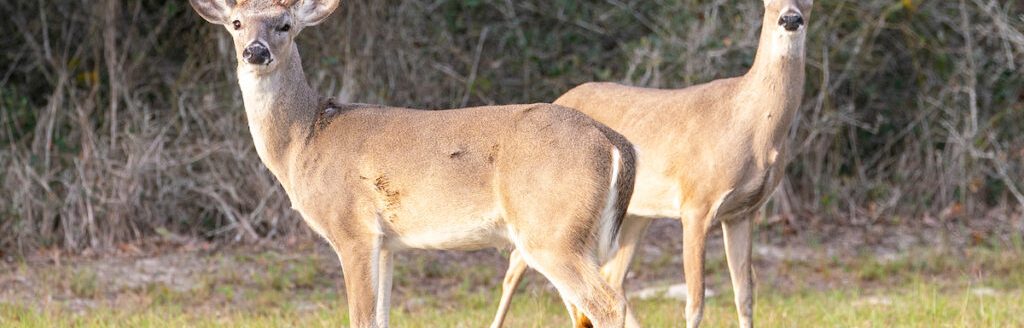
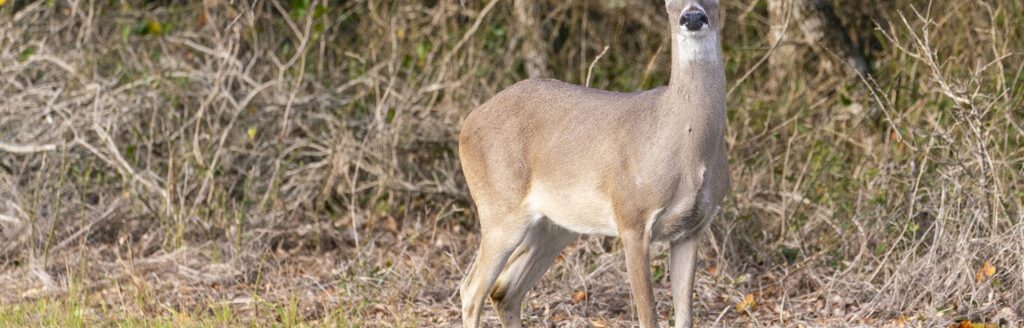
With a population of roughly 5 million, Texas is home to more white-tailed deer than any other state. And thanks to mostly positive environmental conditions during gestation and fawning periods, Texans should expect to see many new, healthy additions to the landscape, Blum said.
“Something that is often overlooked is the importance of maternal condition on fetal development in white-tailed deer,” he said. “If the doe is in good condition, she will be able to allocate more energy into developing a stronger, healthier fawn.”
Blum said studies have shown health and nutrition during gestation has lasting impacts throughout the life of a fawn, including future body size and antler production.
“Lactation is also an extremely demanding time in terms of nutrition, so it is important that does have access to quality forage to support their health and that of their fawn,” Blum said. “I think many will be in good shape this year.”
Adequate nutrition is also critical for antler development.
“Bucks depend heavily on high-quality forage during the summer months — particularly plants rich in protein, calcium and phosphorus,” he said. “Although forage availability varied by region, I think we can anticipate solid antler growth in most parts of the state this year.”
Quail outlook positive
Over the last three decades, Texas has experienced a steady decline in both bobwhite and scaled quail populations, driven by several factors, including habitat loss and fragmentation of native grasslands they depend on.
Despite this downward trend, the last few years have seen productive nesting seasons for bobwhite quail, aided in large part by positive weather conditions supporting nesting cover and food availability.
“It looks like the bobwhite population in the Rolling Plains is going to be very good this year,” said Ryan O’Shaughnessy, Ph.D., executive director of the Rolling Plains Quail Research Foundation. “We’ve had great rainfall, and all of our surveys suggest we’re going to be in another boom year — probably pretty close to where we were in 2016.”
O’Shaughnessy said he anticipates a similarly positive outlook for the South Plains.
Although portions of the Trans Pecos have received some relief from extreme drought, it hasn’t been enough to support a rebound in scaled quail populations.
“The region has been so dry for so long that even if the scaled quail had a really good nesting season, they’re entering a very low breeding population,” O’Shaughnessy said. “There might be a slight bump, but I don’t know that it’s going to be as good as everyone is hoping for.”
Turkeys see stable or increasing population trends
According to Texas Parks and Wildlife biologists, observations of two or more poults per hen during annual surveys suggest a growing population. The 2024 Summer Turkey Survey documented 2.66 poults per hen.
“We’re seeing stable or increasing trends in Rio Grande turkey recruitment, and given the summer rains parts of the state received, I anticipate the productive spring turkey season will translate into fall as well,” Blum said.
Habitat management is key to supporting wildlife populations
While much of the state fared relatively well in terms of timely rains, Blum said regular precipitation is only part of the equation, and quality habitat management is necessary to allow that rainfall to translate into high-quality forage that meets the needs of Texas’ various game animals.
“Managing the landscape to meet the habitat needs of your desired species is going to weigh on the results,” he said. “Widespread land use and land management changes have hit many of our game bird species hard. For us as landowners and hunters, to conserve our game and non-game species, we need to steward the land that supports them.”
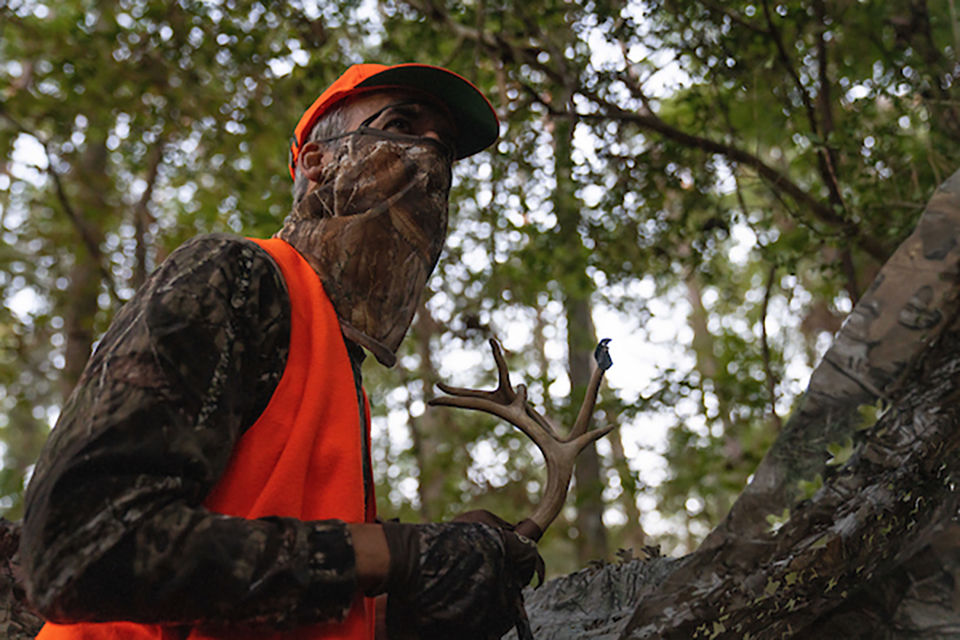
PHOTO: Timely spring rains and relatively mild summer temperatures set the stage for abundant forage and vegetative cover supporting multiple wildlife species ahead of the fall hunting season. (Courtney Sacco/Texas A&M AgriLife)