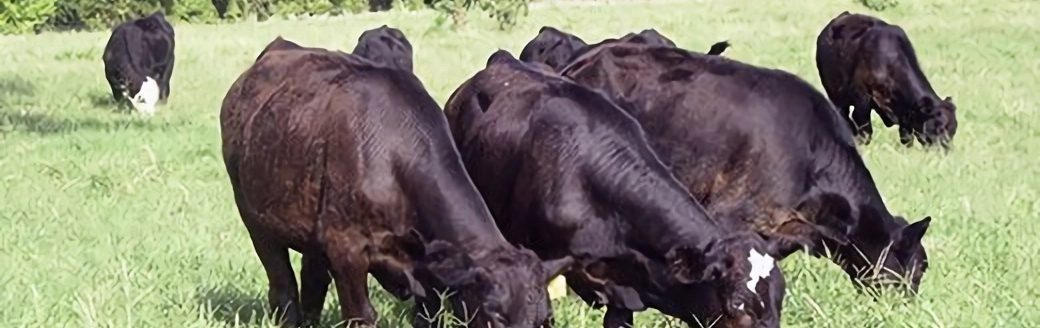
Bovine Congestive Heart Failure continues to be problematic for feedyards
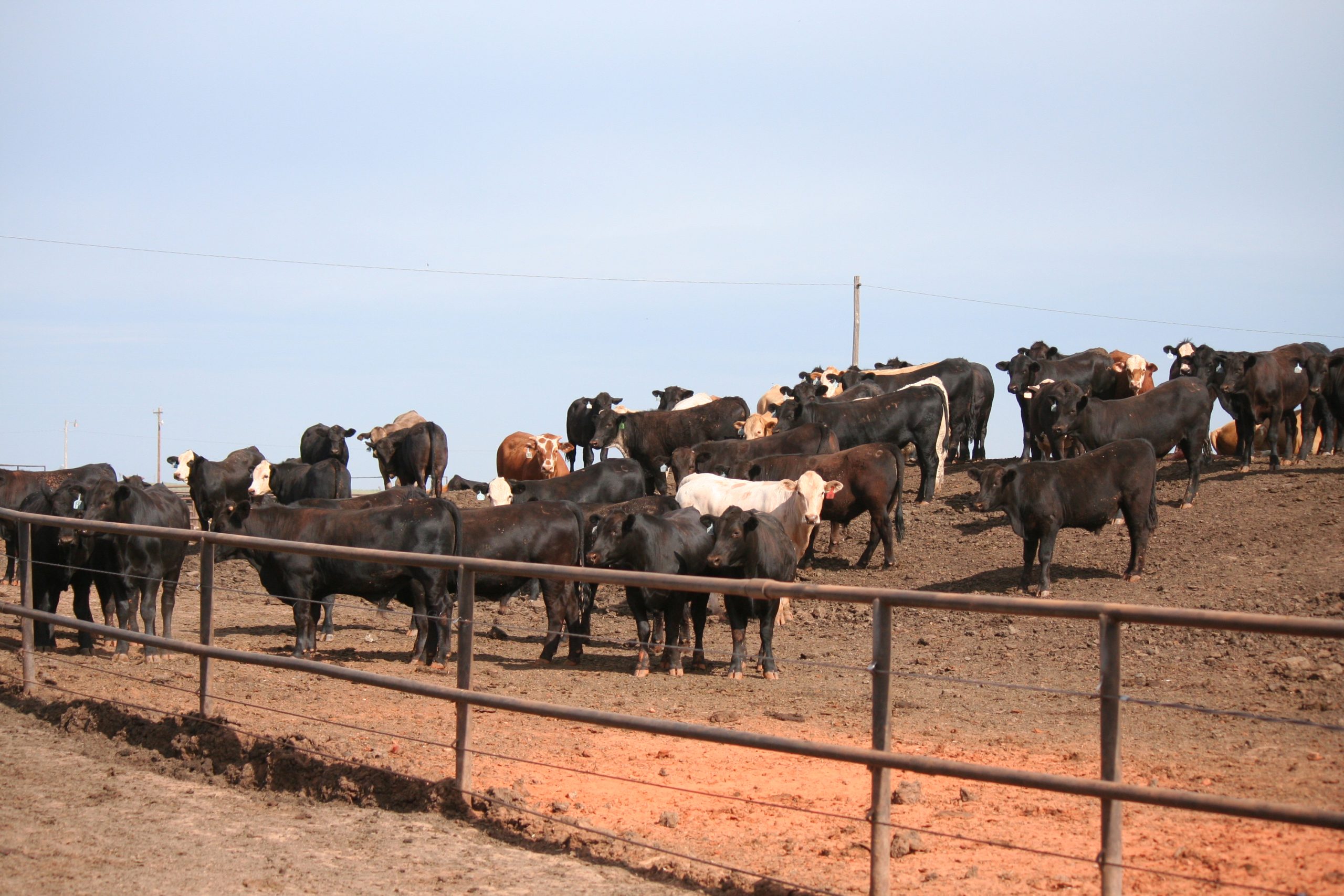
They can look like a million dollars one day and be lying dead in the dirt the next week. That’s the reality of Bovine Congestive Heart Failure in feedlot cattle, and with cattle prices at all-time highs and beef numbers at their lowest since the 1950s, a death from this condition is a huge financial blow to producers.
According to the U.S. Department of Agriculture’s Agricultural Research Service, for some producers, BCHF is the single most costly health-related problem, with losses surpassing $250,000 annually in individual operations. To some, BCHF causes more financial damage than bovine respiratory disease.
Brian Vander Ley, DVM, PhD, DACVPM, a veterinary epidemiologist and director of the Great Plains Veterinary Educational Center at the University of Nebraska-Lincoln, said BCHF is a terminal heart condition. Although there are some treatments that can address symptoms, there is no cure.
“BCHF is a type of heart failure mostly observed in feedlot cattle,” he said. “While various factors can cause heart failure in cattle, such as toxins, infections, cancer, and exposure to low oxygen levels, BCHF is not attributable to any of these known causes.”
Previously, the condition was lumped in with Bovine High-Mountain Disease, which is linked to regions with an altitude above 5,000 feet. However, veterinarian opinions have changed over time as more cases were reported across the United States in lower elevations.
“Cattle raised at high elevations can develop heart failure as their hearts and lungs struggle to cope with low oxygen levels,” Vander Ley said. “The symptoms and post-mortem changes associated with high-elevation heart failure are very similar to those seen in feedlot cattle with BCHF. We now see BCHF occurring at elevations where high elevation heart failure cases used to be sent to recover.”
Symptoms and cases over time
Vander Ley said one of the symptoms of BCHF is subcutaneous edema, which is swelling that typically occurs under the chin known as “bottle jaw,” and along the underline, which is where the name “brisket disease” originates. Another indicator is distended jugular veins, which appear enlarged, sometimes with visible pulses.
“This occurs because the heart’s inability to pump blood effectively leads to blood accumulating in the veins, causing them to engorge and even create a visible wave of blood moving up the neck with each heartbeat,” Vander Ley explained.
Additionally, cattle with BCHF usually have a distended abdomen. Vander Ley said blood accumulation in the liver can cause fluid to leak into the abdomen, leading to its distension.
The final symptom is labored breathing, which is caused by fluid accumulation in the chest and reduced oxygen delivery to the body, including the brain. Extreme heat and humidity can lead to heat stress, which can accelerate the symptoms of BCHF and lead to a rapid and fatal decline.
BCHF has not been a heavily covered topic until recent years when it started receiving more attention. Vander Ley said the earliest reports of BCHF date back to the 1970s, so it is relatively new compared to other conditions that have been researched and discussed for decades prior to its emergence.
“Most feedlots we work with routinely cite the early 2000s as the period when the frequency of BCHF rose to a noticeable and economically impactful level,” he explained. “BCHF does appear to be increasing over time, with estimates from the early 2000s showing 2 cases per 10,000 head placed, rising to almost 9 cases per 10,000 head placed in 2019. That represents a 3.5-fold increase in just under 20 years. While these numbers may not seem large, remember that BCHF is not randomly distributed across the industry. Losing 3 to 7% of a group is economically painful and naturally draws attention. Therefore, both increased awareness and the increasing frequency of BCHF contribute to industry concern about the problem.”
Genetic links, risk factors and selective breeding
Vander Ley and his colleague, Michael P. Heaton, have completed extensive genetic studies at the USDA Meat Animal Research Center in Clay Center, Nebraska, to learn more about BCHF and its risk factors. So far, Vander Ley said they have identified three genetics links, which include two factors that increase the risk—ARRDC2 and NFIA genes—and one that provides protection—Jumonji gene.
According to data collected from Vander Ley and Heaton, cattle with two copies of the risk form of either of these genes were eight times more likely to develop BCHF than calves that had neither. Cattle with two copies of the risk form of both genes were 28 times more likely to develop BCHF.
“The two risk factors follow a recessive inheritance pattern, meaning an offspring must inherit two copies of the risk form to be at risk,” Vander Ley said. “The protective factor follows a dominant inheritance pattern, providing protection with just one copy.”
Vander Ley said genetic testing can determine which forms of these BCHF risk and protective factors an animal possesses. He said the research has shown a higher frequency of BCHF at-risk cattle in English breeds, such as Angus, Red Angus and Hereford, rather than continental breeds like Simmental, Charolais and Limousin. However, he noted that individuals within “high-risk” breeds can have low BCHF risk, and vice versa.
“Beyond genetic predisposition, we understand very little about other contributing factors that cause BCHF,” Vander Ley said. “We know that many animals with high genetic risk do not develop BCHF, indicating that other factors are necessary for the disease to manifest. Conversely, BCHF is rarely found in animals with low genetic risk, suggesting that selecting against the two BCHF risk factors and for the BCHF protective factor can reduce BCHF prevalence over time.”
Using genetic testing and breeding selection to prevent offspring inheriting the risk factor genes at birth is the best-known strategy for preventing BCHF at this time.
“By testing individual cows and bulls and developing mating groups that maintain desired characteristics while simultaneously reducing BCHF risk, producers can raise high-quality cattle and mitigate BCHF,” Vander Ley said.
Vander Ley said if an animal has neither ARRDC2 nor NFIA risk factor, there is more than a 99% chance of not developing BCHF.
“If an animal has both ARRDC3 and NFIA risk factors, the group typically experiences about 2 to 3% loss to BCHF, and only 8 to 10% of become BCHF cases,” he explained. “This emphasizes that BCHF is a genetic predisposition, not a sole cause, and that other factors are needed to trigger the disease. It also means that testing feeder cattle to predict BCHF is not very useful for individual animal prediction.”
With BCHF slowly becoming a costlier problem for feedlots, research is expected to continue for the condition.
Lacey Vilhauer can be reached at 620-227-1871 or [email protected].
PHOTO: Bovine Congestive Heart Failure is becoming more prevalent in feedlot cattle. (Journal photo by Lacey Vilhauer.)