Mexico confirms case of New World screwworm in Nuevo Leon

Mexico’s National Service of Agro-Alimentary Health, Safety, and Quality confirmed a new case of New World screwworm in Sabinas Hidalgo, located in the state of Nuevo León, less than 70 miles from the United States-Mexico border.
This is now the northernmost detection of NWS during this outbreak, and the one most threatening to the American cattle and livestock industry. Sabinas Hidalgo is located near the major highway from Monterrey, Nuevo Leon, to Laredo, Texas, which is one of the most heavily trafficked commercial thoroughfares in the world.
Secretary of Agriculture Brooke Rollins said protecting the U.S. from the NWS is a top priority for the Trump administration, adding it is a national security policy. In June the U.S. Department of Agriculture had announced its NWS Bold Plan.
That plan includes using innovation to eradication with an investment of $100 million technologies to enhance sterile fly production. It also includes construction of a domestic serile fly dispersal facility at Edinburg, Texas, that can disperse up to 100 million sterile flies a week, and plans have started for a plant that can eventually produce 300 million sterile flies per week. It also includes strengthening surveillance and detection across Texas, Arizona and New Mexico. The U.S. is supporting Mexico with a sterile fly production facility. The final components of the plan include additional public awareness and education and coordinating with Mexico and international partners.

“American ranchers and families should know that we will not rely on Mexico to defend our industry, our food supply, or our way of life,” Rollins said. “We are firmly executing our five-pronged plan and will take decisive action to protect our borders, even in the absence of cooperation. Furthermore, we will pursue aggressive measures against anyone who harms American livestock.”
The previous northernmost detection was reported on July 9, in Veracruz, approximately 370 miles farther south. Preliminary reports from SENASICA indicate that the affected animal—an 8-month-old cow—had recently been moved to a certified feedlot in Nuevo León from a region in southern Mexico with known active NWS cases. The potential link to animal movement underscores the non-negotiable need for Mexico to fully implement and comply with the U.S.–Mexico Joint Action Plan for NWS in Mexico.
Currently, U.S. ports remain closed to imports of cattle, bison, and horses from Mexico.
Since July, USDA alongside Mexico, has been actively monitoring nearly 8,000 traps across Texas, Arizona, and New Mexico. To date, more than 13,000 screening samples have been submitted, with no NWS flies detected. USDA is analyzing all new information related to the recent case in Nuevo León and will pursue all options to release sterile flies in this region as necessary.
In addition, USDA will soon release a significant plan to help rebuild the American cattle supply, incentivizing ranchers and driving a full-scale revitalization of the American beef industry. This is only the beginning with many more announcements coming this upcoming week as USDA restores American strength, protects food security, and supports America’s ranchers and farmers.
What to watch
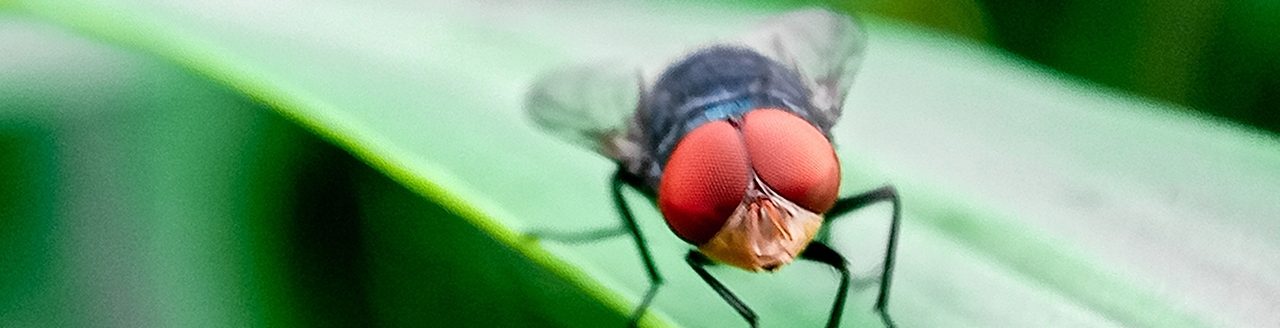
NWS maggots can infest livestock and other warm-blooded animals, including people. They most often enter an animal through an open wound and feed on the animal’s living flesh.
USDA urges residents on the southern border to check their pets and livestock for signs of NWS. Look for draining or enlarging wounds and signs of discomfort. Also look for screwworm larvae (maggots) and eggs in or around body openings, such as the nose, ears, and genitalia or the navel of newborn animals. If you suspect your animal is infected with screwworm, contact your state animal health official or USDA area veterinarian immediately.
While not common in people, if you notice a suspicious lesion on your body or suspect you may have contracted screwworm, seek immediate medical attention.
Learn more about NWS on the APHIS website