I am writing this on what would have been my father’s 82nd birthday. We lost him on Oct. 28, 2017, to complications of Alzheimer’s disease. Fortunately, I made it home to Illinois this past weekend to spend time with my mother and participate in the END Alzheimer’s Walk in Quincy.
This event is a local fundraiser and a way to bring awareness to the severity of all dementia concerns for both patients and caregivers.
As the program was taking place before the walk of just over 100 people, I was thinking about how the people who show up and become champions for the cause are those with personal family experience. For anyone who has experienced a family member with Alzheimer’s, you know that the real struggle is for the caretakers of those with the disease.
Current data estimates vary, but experts suggest that more than 6 million Americans, most of them age 65 or older, may have Alzheimer’s. Alzheimer’s is currently ranked as the seventh leading cause of death in the United States and is the most common cause of dementia among older adults. In addition to all of that, it is reported that 16 million people in the U.S. alone are caregivers of loved ones with Alzheimer’s disease.
The other thought I had while attending this event is that people are truly very generous. We know that billions of dollars are donated to “causes” each year and the real question we need to ask is, “Where does the money actually go?” In an interview after the walk, I asked Mike Drew, a local committee member for this event, and his answer was quite good. He said the money is used to bring awareness not only to local citizens, but to get the attention of lawmakers and influence them to dedicate research money toward the cause.
A couple of things that I find quite interesting about Alzheimer’s disease, starts with the first discovery by German physician Alois Alzheimer. Dr. Alzheimer had one patient that led him to the haunting case of Auguste D., a patient who had profound memory loss, unfounded suspicions about her family and other worsening psychological changes.
In her brain upon autopsy, Alzheimer saw dramatic shrinkage and abnormal deposits in and around the nerve cells.
In today’s world, it is widely accepted that Alzheimer’s disease is Type 3 diabetes. The Mayo Clinic provides some information about that:
Type 3 diabetes occurs when neurons in the brain become unable to respond to insulin, which is essential for basic tasks, including memory and learning. Some researchers believe insulin deficiency is central to the cognitive decline of Alzheimer’s disease. Mayo Clinic’s Florida and Rochester campuses recently participated in a multi-institution clinical study, testing whether a new insulin nasal spray can improve Alzheimer’s symptoms. The results of that study are forthcoming.
In addition to the information from Mayo, the National Institute on Aging has more details about that insulin and neuron relationship:
Abnormal glucose metabolism inevitably disrupts normal neuronal function, a phenomenon widely observed in Alzheimer’s disease (AD). Investigating the mechanisms of metabolic adaptation during disease progression has become a central focus of research. Considering that impaired glucose metabolism is closely related to decreased insulin signaling and insulin resistance, a new concept “type 3 diabetes mellitus (T3DM)” has been coined. T3DM specifically refers to the brain’s neurons becoming unresponsive to insulin, underscoring the strong link between diabetes and AD.
Like all things, I find it interesting that when you have personal experience in some issue you learn that people with no involvement are completely unaware of the challenge. For example, I find the number of people who have learned that Alzheimer’s disease is Type3 diabetes to be very low. I remember listening to a presenter 15 years ago who talked about the new discovery of how the two are tied together.
In closing, on behalf of the greatest caregiver I have known in my life, it was my mother Leona Loos who suffered the most in caring for my father in those final years. This message is dedicated to bringing greater awareness to the 16 million caregivers forced to watch their loved ones fade away and become completely dependent on others for daily living. God bless all of you who experience this.
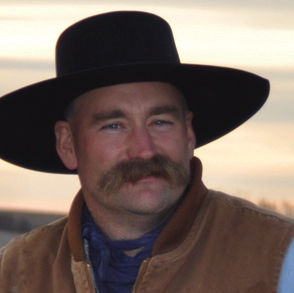
Editor’s note: The views expressed here are the author’s own and do not represent the views of High Plains Journal. Trent Loos is a sixth-generation United States farmer, host of the daily radio show “Loos Tales” and founder of Faces of Agriculture, a non-profit organization putting the human element back into the production of food. Get more information at www.LoosTales.com, or email Trent at [email protected].
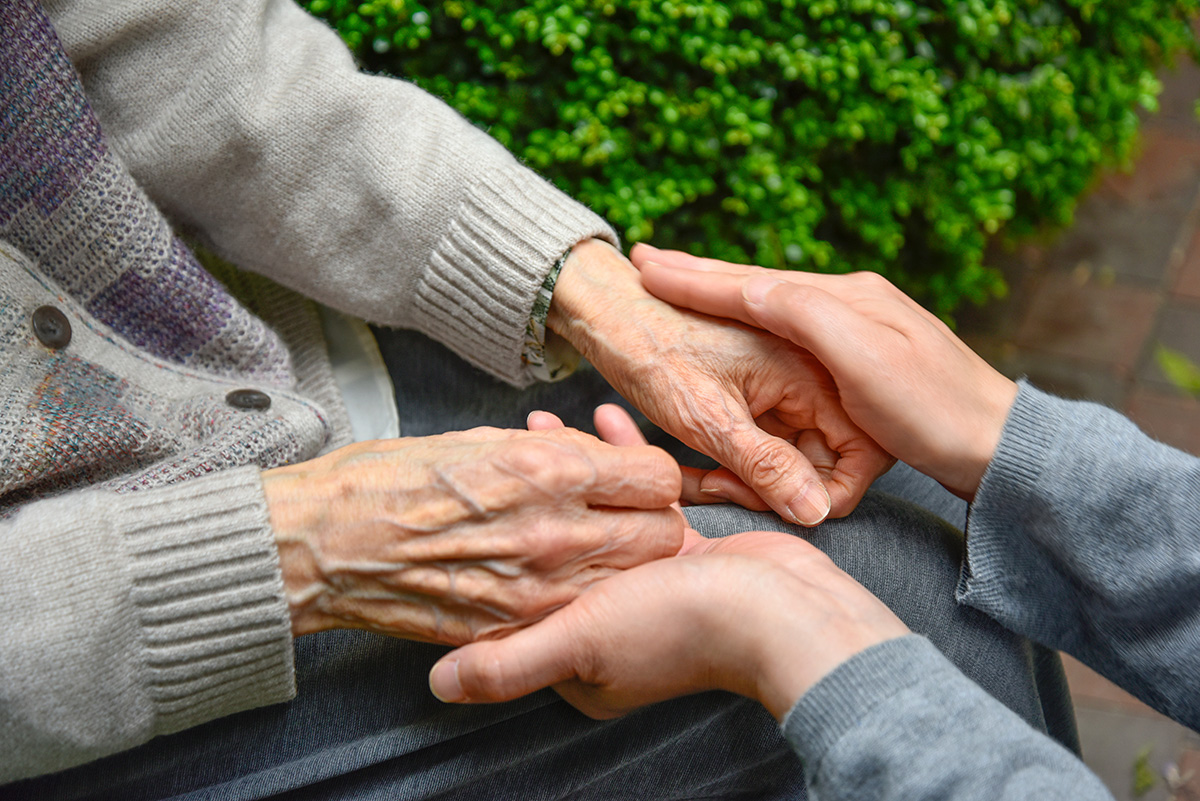
PHOTO: Elderly care. (Adobe Stock │ #159451584 – Imagepocket)