Should you let your lawn grow tall in the fall? Experts advise against it
Proper fall care will help lawn bounce back more easily next spring
As fall temperatures settle in across Kansas, some homeowners may be tempted to let their lawns grow taller, believing longer grass can help protect turf during the cold winter months.
But Kansas State University horticulture expert Cynthia Domenghini cautions that this well-intended practice may do more harm than good.
Domenghini said the idea that tall grass provides insulation for the plant crown — the area where the stem meets the roots — has gained popularity in recent years. Yet, when grass blades are left too long, they can flop over, creating a matted layer that traps moisture and encourages the development of winter diseases.
“The best way to prepare turf for winter is to provide adequate care and ensure your plants are healthy,” Domenghini said “This requires care year-round, including fertilizing, watering and mowing.”
Homeowners are encouraged to follow mowing height guidelines specific to the type of turf they’re growing. For Kansas lawns, the recommended mowing heights (in inches) are:
- Tall fescue: 2.5–3.5.
- Kentucky bluegrass: 2–3.
- Buffalograss: 2–3.
- Bermudagrass: 1–2.
- Zoysiagrass: 1–2.
“Mowing height can vary within each species depending on the time of year,” Domenghini said. “For example, warm-season grasses may be mowed taller in late summer and early fall to allow them to store more carbohydrates for the winter. That may also help to reduce the occurrence of cool-weather diseases.”
Even so, Domenghini emphasized that even seasonal adjustments should remain within the recommended range for each grass type.
Maintaining a consistent mowing schedule, even late into the fall, helps keep the lawn healthy, reduces thatch buildup, and minimizes disease pressure during the colder months.
Domenghini and her colleagues in K-State’s Department of Horticulture and Natural Resources produce a weekly Horticulture Newsletter with tips for maintaining home landscapes and gardens.
Interested persons can subscribe to the free newsletter, as well as send their garden and yard-related questions by email to [email protected], or contact your local K-State Research and Extension office.
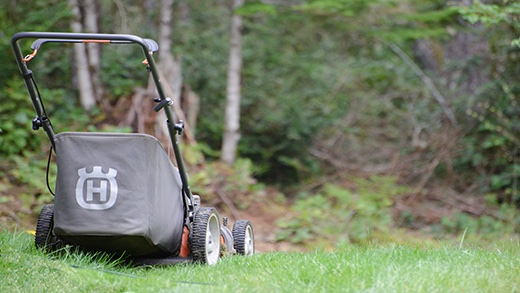
PHOTO: Lawn mower. (Kansas State University Research and Extension.)