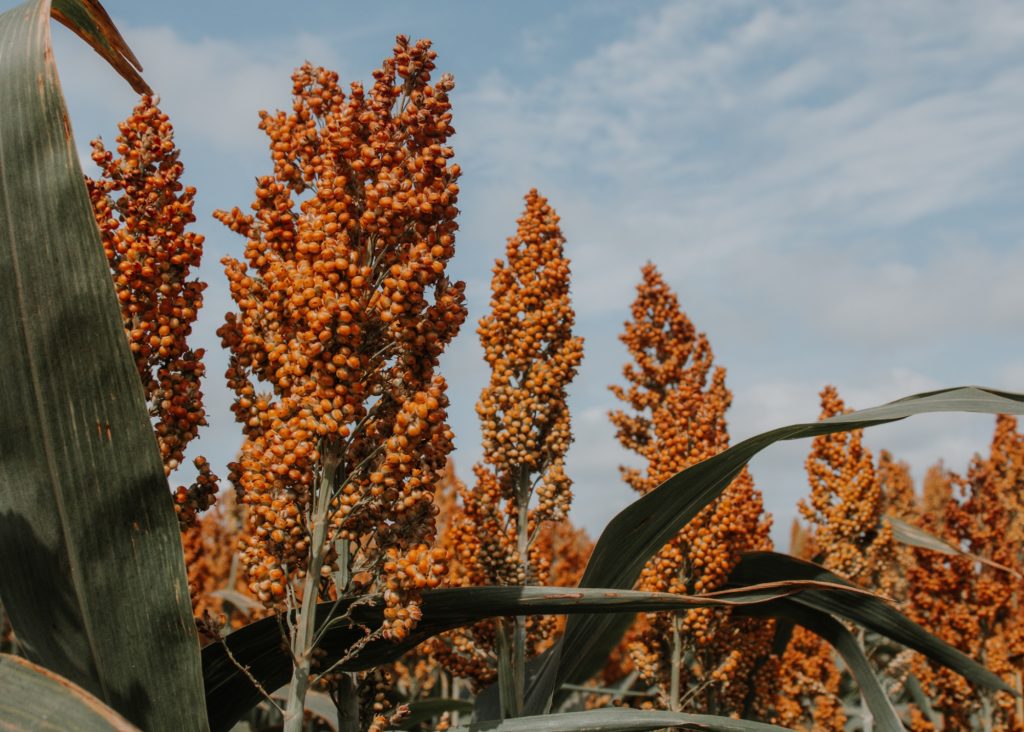
Sorghum vice chair sees challenges this year
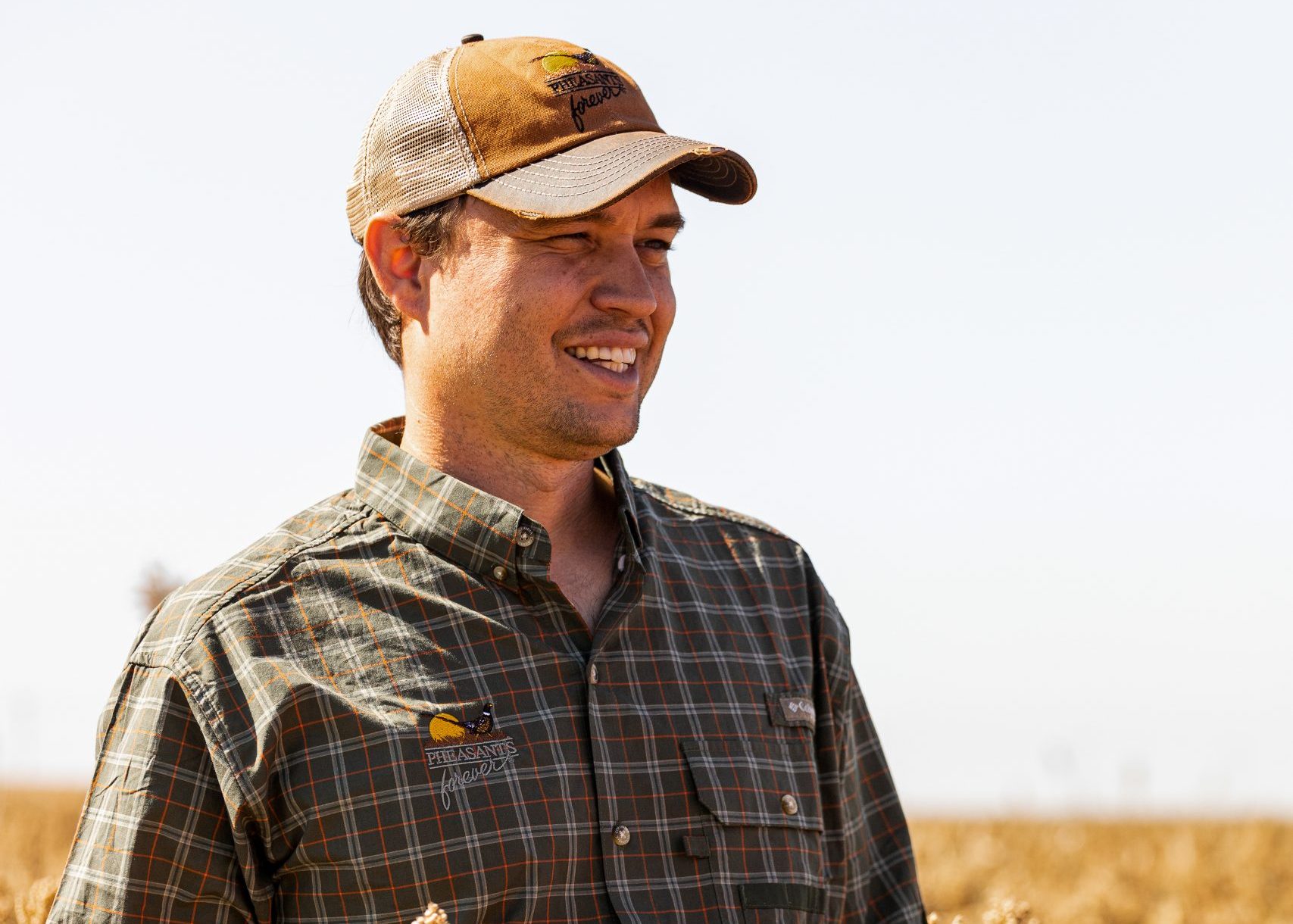
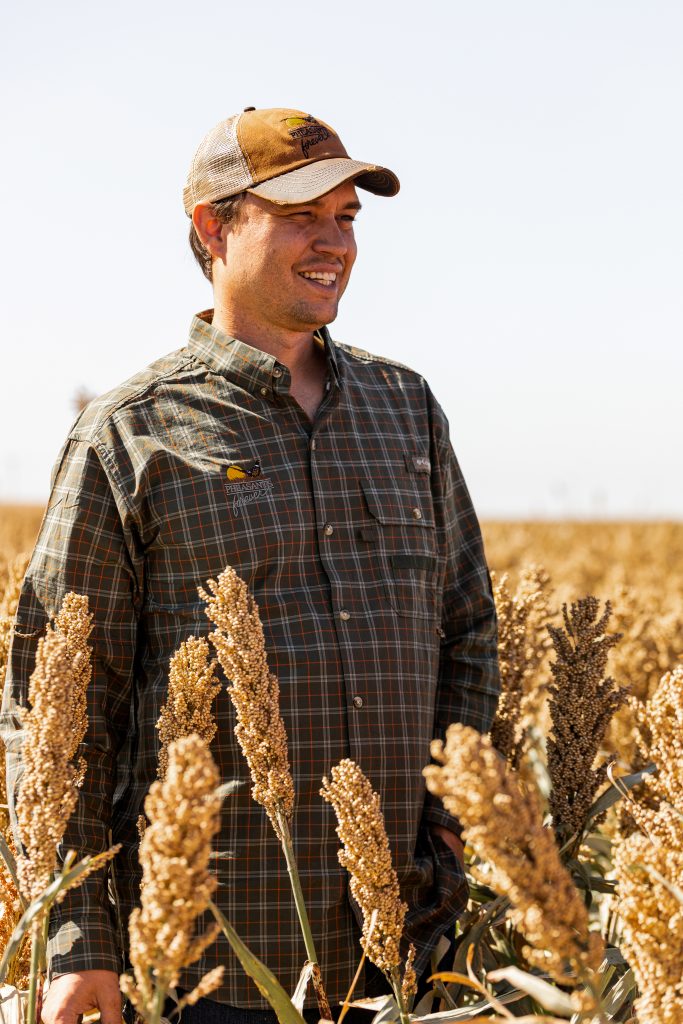
Southwest Kansas farmer and vice chair of the National Sorghum Producers Garrett Love hasn’t seen a year quite like 2025.
“I guess the last decade that I’ve been farming full time, and I consider myself a young farmer, we’ve never had something like this,” he said. “I mean, there’s parts of our farm where we’ve had 8 inches of rain in September.”
In his area near Montezuma in Gray County, Kansas, there’s a lot of silage production—both forage sorghum and corn silage.
“You’ve had some of these plants progressing past where they want to get them, but the field is very wet,” Love said.
Tractors hauling silage and trucks are getting stuck in fields, he said, and that also causes ruts. “We’re not used to that on the High Plains here.”
Above average rainfall in many areas of southwest Kansas is out of the norm, and he is thankful.
“These are good problems that we’re thankful for, because it does mean we’re going to have a good start for next year’s crop, and obviously for finishing out this year,” Love said.
It’s also lessened the need to pump water from the Ogallala Aquifer. Other producers in his area shared similar stories.
Profitability concerns
But all isn’t well in farm country. Sorghum prices are low. Input costs are continuing to rise, and many believe farmers are facing some tough economic conditions. Love said generally about 60% of the sorghum crop is exported. Of that figure, 80 to 90% of the exported sorghum historically has gone to China.
“The problem is China exports are down 97% this year,” Love said. “You can kind of see that picture in terms of our total market has in terms of buyers, and is taking a pretty strong, big hit.”
There have been some more domestic purchases, but with low prices and a basis drop, many farmers struggle. But there has been increased usage because of the lower price and that “puts a hit on other commodities as well,” Love said.
“If you’re averaging exports at 60% and you lose 90 plus percent of that 60% you can see that you have the big challenges,” Love said. “And as we’re coming into what we believe, with some favorable rainfall, we’re seeing a well above average crop.”
Love expects there to be a need to move about 200 million bushels in the next 150 days, and for that to happen, some things need to change soon. That includes a need for trade agreements and purchase commitments.
Renewables
One bright spot for producers close to ethanol plants that use sorghum those operations have upped usage percentages.
“Rather than using 20% or 30%, they’re using 70% or 80% sorghum in their mix, some almost 100%,” Love said. “You’re seeing a domestic shift there. You’re seeing even within the feed industry some of that occur, and a lot of that’s based on the ratios of the prices.”
Love said if sorghum’s basis drops low enough it can boost consumption.
“With those prices, we see some other countries that have made a little bit bigger purchase, but it doesn’t make up for the width of that gap that we have,” he said. “We’ve been able to move a good chunk of that last year’s crop. We’re just coming into a big crop now that we are basically going to have to move a lot of grain.”
The potential for a big crop is definitely something to be thankful for and having purchasers for it. But to have those purchasers, Love stressed how important it is to have trade agreements and in particular, purchase commitments.
Cost of production numbers are concerning for even just what Love calls “mid-yield level” sorghum at 70 to 80 bushels an acre. To raise that sorghum it costs about $340 to $350 an acre. When prices are anywhere from $2.40 to $3.20 a bushel at elevators that means producers could face a $100 an acre loss, Love said.
One potential outcome is President Donald Trump may use tariff revenues to help bolster farm income in the short term.
“But I would definitely say that’s a band-aid,” he said. “Fair, free trade is a long-term solution, and that’s historically, something we’re really good at here in America. That’s our top export. We want to be able to do that, we need partners and people to work with and trade within order to be successful.”
Global competition
Sorghum growers in Brazil have recently been able to break into new markets and Love has noticed what’s happened with exports of corn, soybeans and cotton from that South American country plus Brazilians have partnered with China. The U.S. sorghum industry is closely watching how it unfolds.
“It’s part of why we’re we’ve been hosting Chinese buyers western Kansas, Indian buyers in the Texas Panhandle, and trying to continue maintaining and developing these relationships to make sure that we do have strong markets.”
Love wants buyers to know Americans are willing to deal.
“As farmers, we want a good deal,” he said. “I don’t think the historic position like with India, where they charge a 60% tariff on our sorghum and other grain commodities and charges nothing on most all of what they sold to us. Well, that’s not fair and free trade.”
Love said that’s not the same scenario with other countries, but trying to improve export opportunities makes sense.
He believes the trade missions have been favorable, and some of the larger buyers have appreciated seeing sorghum at the farm level.
“I think there’s still significant interest in demand and our in our products,” he said. “I think that’s very helpful, but ultimately, some of the government regulations, tariffs, and their barriers, need to be taken down to be able to work together and partner together. And that’s what we’re very supportive of.”
Kylene Scott can be reached at 620-227-1804 or [email protected].