Nebraska sues Colorado over water rights
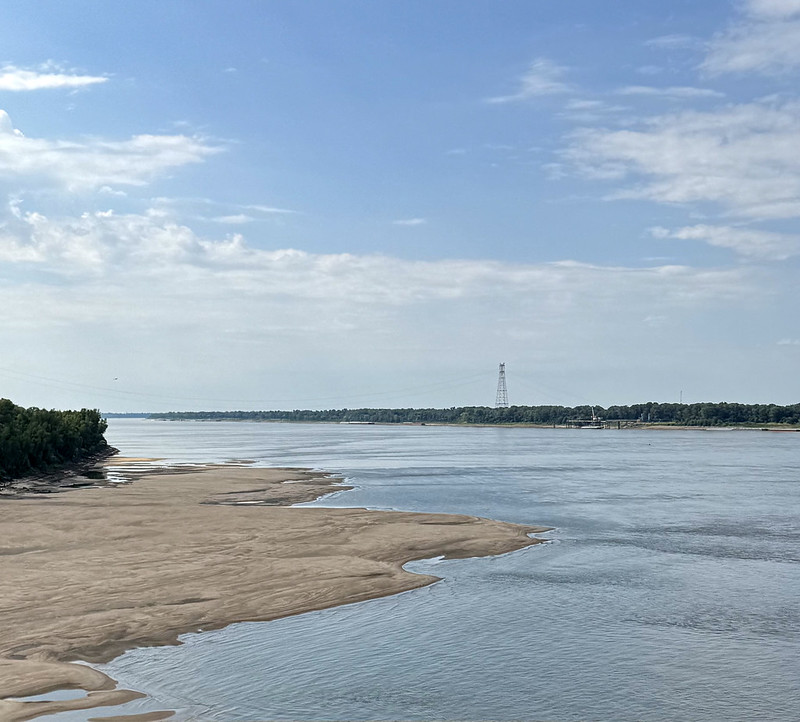
Just as a settlement was announced between Texas, New Mexico and the federal government over a 12-year-old lawsuit over water rights in the Rio Grande River, another intra-state lawsuit over water rights was filed.
Nebraska sued Colorado on July 16 over allocations from the South Platte River under a 1923 water compact. Nebraska is claiming that Colorado is drawing down too much water and not maintaining flows guaranteed under the compact, depriving Nebraska of up to 1.3-million-acre feet it is entitled to. Colorado had until Oct. 15 to reply. If an agreement cannot be reached, the Supreme Court—which oversees water disputes between states—will appoint a special master, as it usually does in such disputes. The special master is often a retired judge or an expert in water law.
Attorney J. David Aiken, a water and agricultural law specialist, gave an informative webinar Sept. 4 laying out the dispute’s history, sponsored by the University of Nebraska at Lincoln’s Institute for Agricultural Profitability.
The South Platte starts in central Colorado and enters Nebraska in Colorado’s northeastern corner, just before it joins with the North Platte. Today the South Platte supplies about half of Denver’s drinking water supply in any given year from its upper reaches, with the rest coming from the Blue River, the Fraser River and Williams Fork. The South Platte River basin houses about 70% of the state’s population.
The 1923 compact was negotiated to head off another threatened lawsuit at the time. It divided the South Platte into upper and lower sections and specified that Nebraska has water rights only in the lower section. In water law, subordinate rights are called “junior” rights—that is, Nebraska gets water only after upstream users have exercised their rights. However, the compact does specify specific amounts that are due to Nebraska. It allows 120 cubic feet per second to flow into Nebraska during the irrigation season (April 1–Oct. 15) and 500 cfs during the off-season via a canal to undeveloped Perkins County in Nebraska
Nebraska claims that Colorado has been drilling wells along the upper reaches of the river right up to the dividing line below which Nebraska’s “junior rights” kick in.
In 2020, the South Platte Regional Opportunities Water Group emerged from the South Platte Basin Implementation Plan, with its feasibility study released in March 2020. The study, which was funded by the Colorado Water Conservation Board, forecast a significant water gap for the city by 2050. While water conservation is managed by water districts and producers, SPROWG’s role was to outline possible conservation strategies.
Canal plan
At the time the compact was signed, Nebraska was considering building a western canal. Promoters had actually begun digging one in 1894, but quickly ran out of money. It was never built, but permission to build it one day is included in the compact’s language. Certain water rights in the compact depend on the canal’s existence.
The Nebraska legislature passed the Perkins County Canal Project Act approving the project in 2022. Colorado’s governor at the time called it a “boondoggle” and a “canal to nowhere.” In 2023, Pete Ricketts, then Nebraska’s governor, outlined a plan to build it at an estimated cost of $500 million. Since then, Nebraska has allocated $623 million from a burgeoning state budget surplus to the project.
Aiken explained that if a private entity, or even a subsidiary entity like a water district, allowed a project like that to remain unbuilt for so long, its rights might have lapsed long ago. But courts treat sovereign entities like states differently. If the lawsuit proceeds, it should clarify what, if any, rights a Perkins Canal might have.
New agency
On July 1, 2025, Nebraska’s Department of Natural Resources and the Nebraska Department of Environment and Energy were merged into a new Department of Water, Energy, and Environment. It has been working with property owners to get voluntary agreements in Nebraska for the canal right of way, which Colorado publicly opposed.
On July 16, Nebraska sued, claiming Colorado had been violating the compact and not maintaining guaranteed flows.
Whooping crane wild card
The water dispute has a big wild card, one that guarantees the federal government’s interest. The central Platte River in Nebraska, in a section known as the Big Bend, is a primary habitat and migratory stopover for the endangered whooping crane.
The Platte River Recovery Implementation Program is a multi-state and federal effort that relies on flows from the South Platte River (among others) to sustain endangered species—especially the whooping crane. If any water flow disputes or drawdowns might threaten the already depleted wetland habitat of the whooping crane, they might affect any settlement. When asked, Aiken said he was sure the federal government would become party to the case.
David Murray can be reached at [email protected].