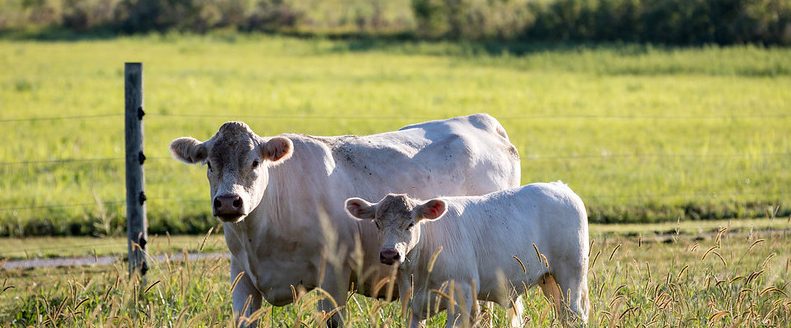
Changes have been many in the cattle business
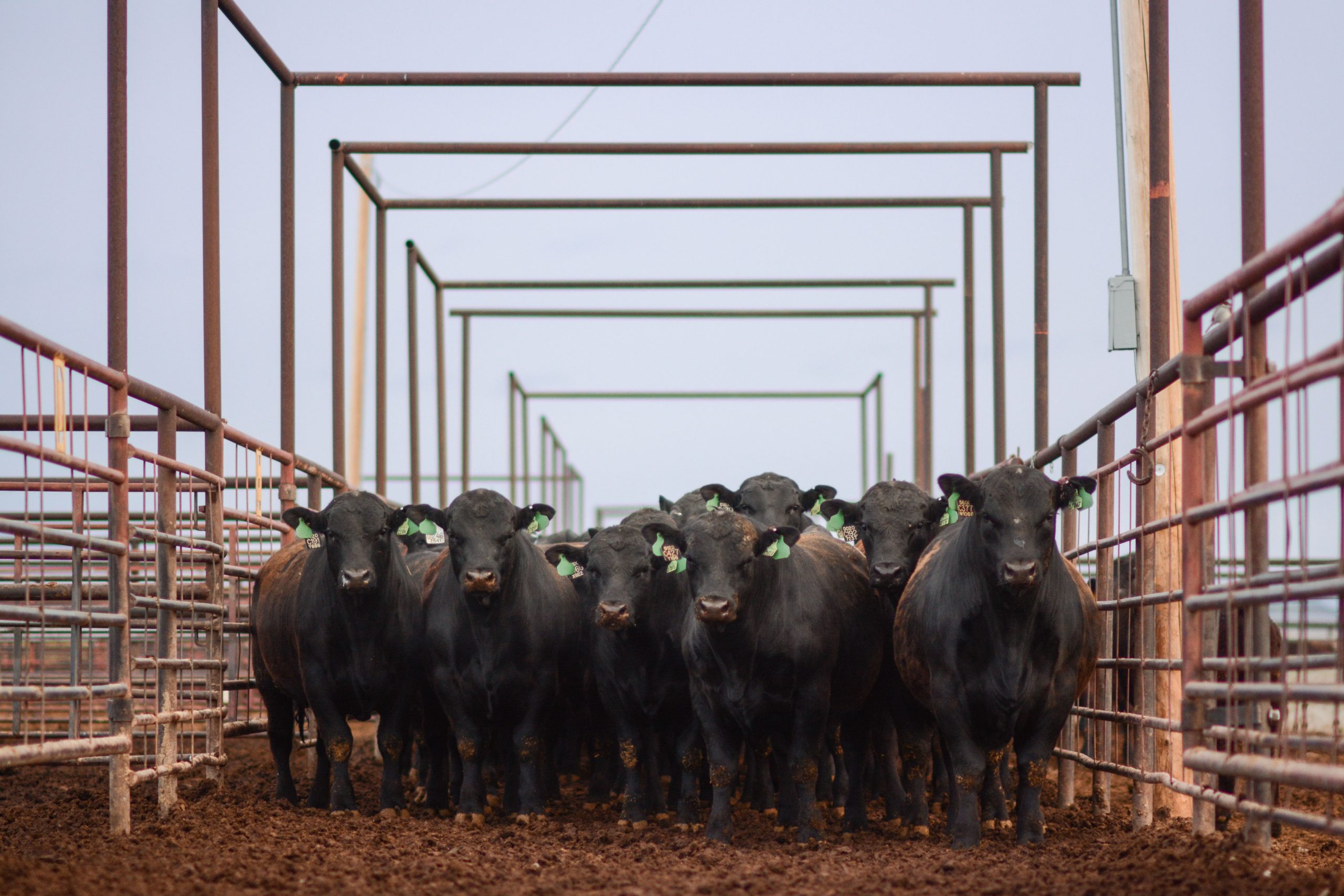
My how things have changed in the cattle business down through the years.
Early on every rancher had several horses and many cattle were driven by horseback to pens that were built by the railroad. Many of those cattle were then loaded on rail and shipped to Kansas City.
Later on, a nice invention was a stockrack that went in the bed of a pickup, which would let you have three or four cows and even more calves. A bobtail truck let you haul about 12 fat cattle. My family had a small feedlot and would haul fat cattle to Oklahoma City and try to buy some calves to bring back home. After a few years there were only a few straight trailers behind a semi. The ones I remember were about 20- feet long. Then stock trailers were pulled behind a pickup. Our family had a 16-foot trailer we used for years. Now semis and 50-foot trailers along with goose-neck trailers move most of the cattle these days.
When I first started buying cattle full time in 1979 you would attend the sale. At the end of the day you would wait in line to use a phone at the sale to call the person you bought cattle for. If you couldn’t get him you would drive to the next town, stop and use a pay phone. If he didn’t answer you would stop again then often you would say to yourself, “Well it’s too late to call now. I will call him in the morning.”
Now everyone has a cell phone and there is more cattle bought and sold on a phone than anything else. At most sales you guessed at the weight of the cattle you were buying and they were weighed afterward.
In early years you would see some buyers bump the side of a cow to see if she was pregnant and that was often on a dairy or dairy cross cow, but not always.
Now you don’t have to go to the sale you can sit in your living room and buy more cattle than you can pay for.
For years penicillin and Blackleg were the only two vaccines available. When I bought the livestock auction in Woodward most of the pens were 4 ½-feet tall. We soon learned that wasn’t tall enough. Now most have a side-by-side or four-wheeler to gather cattle or a pickup with a siren or horn.
With this many changes in the past 100 years it is hard to imagine what the next 20 years will bring let alone the next 100 years.
Editor’s note: The views expressed here are the author’s own and do not represent the view of High Plains Journal. Jerry Nine, Woodward, Oklahoma, is a lifetime cattleman who grew up on his family’s ranch near Slapout, Oklahoma.