Texas’ citrus crop is slightly behind schedule for the season and facing an uncertain future when it comes to water, according to a Texas A&M AgriLife Extension Service expert.
Juan Anciso, Ph.D., AgriLife Extension vegetable specialist and associate head of the Department of Horticultural Sciences based at the Texas A&M AgriLife Research and Extension Center in Weslaco, said citrus orchards are showing heavy fruit crops but that limited summer irrigation has led to smaller sizes so far.
Anciso said quality continues to remain good to excellent for Texas citrus. Grapefruits continue to produce acidity levels that consumers seek, while Texas oranges could use cooler nighttime temperatures to help fruit color and increase even higher sugar levels.
Anciso said harvest crews continue to pick fruit but are choosing market-size-appropriate oranges and grapefruit. Fruit sizes led to shipping volume setbacks compared to last year.
By Nov. 8, 2024, about 636,000 40-pound boxes of fresh grapefruit and oranges had been shipped compared to 448,000 boxes so far this year.
Prices are also much lower than last year, Anciso said. Producers are getting about $20-$22 per box, compared to $26-$32 per box last year.
“They’re a little behind in terms of getting to market, but the market is also down,” he said. “We don’t know if it’s exports or just declining demand driving the prices down, but it’s been a significant drop.”
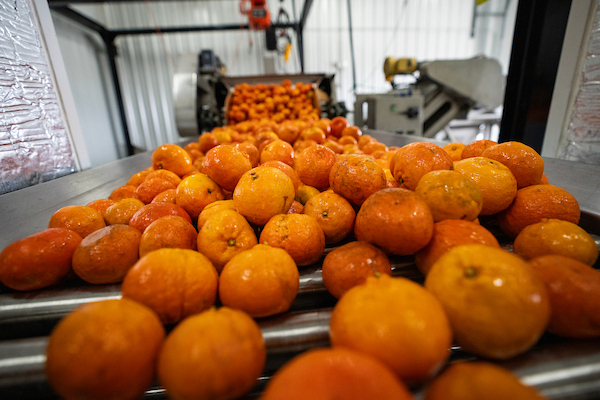
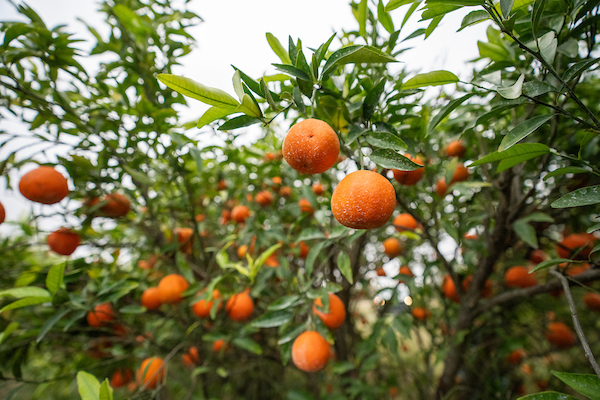
Texas citrus orchards show heavy crop
Texas’ citrus industry is almost completely located in the Lower Rio Grande Valley, with most of its 19,000 orchard acres located in Hidalgo, Cameron and Willacy counties. Most have bounced back from Winter Storm Uri in 2021, but the industry continues to face challenges related to up-and-down prices and water availability, Anciso said.
After the winter storm, Texas fresh grapefruit production fell to 1.6 million 40-pound boxes for the 2021-2022 season, down 33% from the previous year. Orange production was about 400,000 boxes of fresh fruit, down 62% the same season.
Lingering effects still impact production in older-growth trees, but total fresh fruit production hit 4.1 million boxes in the 2023-2024 season. Production dipped some during the 2024-2025 season to 3.6 million boxes, and Anciso said it was too early to tell where the final harvest will land this year.
“There is a heavy fruit crop, and a long way to go until harvest wraps in May,” he said. “With a little rain or an additional irrigation allotment, we might see the fruit gain some size and continue to progress.”
Water uncertainty continues for Texas citrus
Anciso said year-over-year declines in Florida citrus production has presented an opportunity for Texas producers to gain market share. Texas ranks behind Florida and California in citrus production, with a total economic impact exceeding $300 million annually.
But longer term, Anciso said access to irrigation water remains the industry’s biggest challenge. Falcon Reservoir, which provides most of the region’s agricultural water allotments, rose from 9% capacity to around 15% capacity after Amistad Reservoir captured heavy rainfall and released water earlier this year, but overall supplies remain critically low and uncertain.
“Citrus producers are feeling the squeeze,” Anciso said. “But they’ve faced challenges over the years, and there are always issues for farmers whether it’s Mother Nature or markets.”
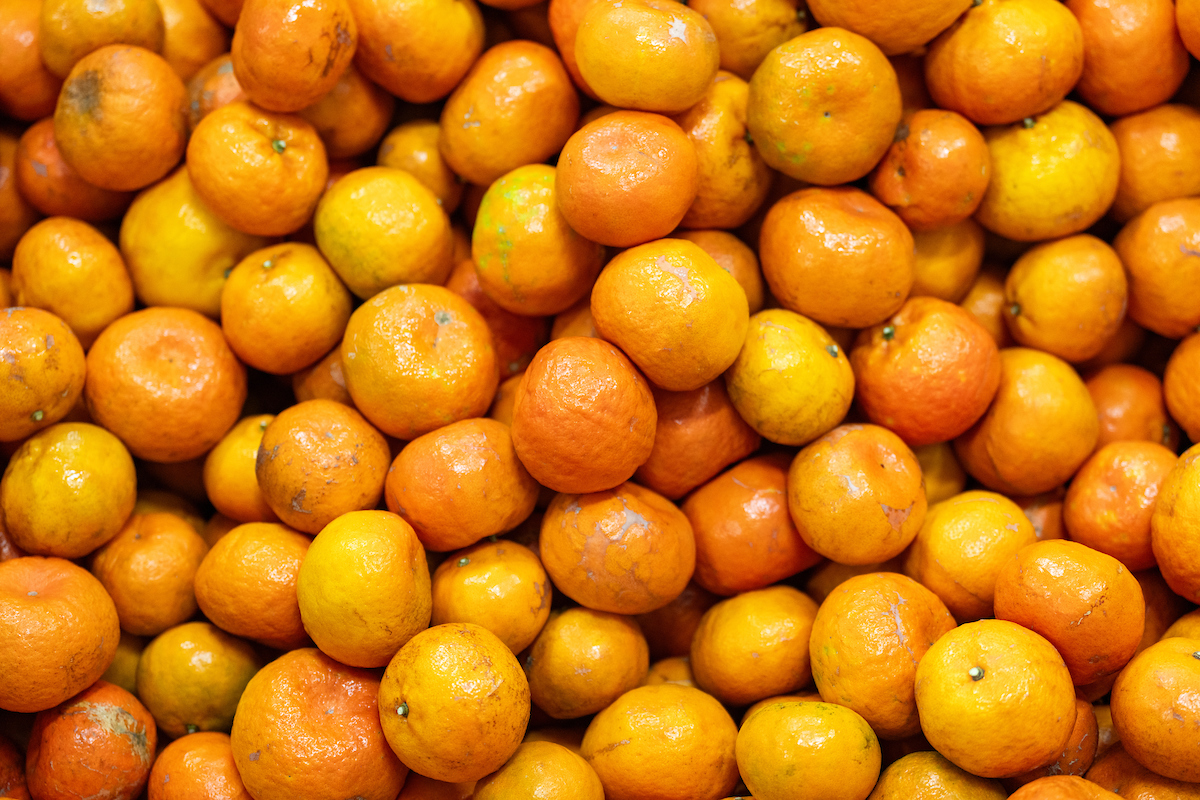
TOP PHOTO: Oranges are processed after being harvested at US Citrus on Wednesday, Jan 17, 2024, in Hargill, Texas. (Sam Craft/Texas A&M AgriLife Marketing and Communications)