Negotiating farmland rent is more than just a transaction; it’s a strategic step toward building a sustainable and mutually rewarding partnership. Whether you’re a landowner leasing out your property or a farmer looking for productive ground, successful negotiations can help both sides reach their goals.
Here’s how to approach it.
Start with solid research
- Know the market: Understand typical rental rates for similar land in your area. This gives you a realistic starting point.
- Assess the land’s value: Soil quality, location, water access, and infrastructure all matter. Use these factors to justify your proposed rate.
Clarify your goals
- Landowners: Define your ideal rent, lease length, and responsibilities.
- Farmers: Know your budget, land needs, and what terms make the lease viable for your operation.
Communicate clearly
- Approach the conversation as a collaboration, not a confrontation.
- Be transparent about your needs and limitations. A shared understanding builds trust.
Make offers thoughtfully
- Landowners: Present a fair initial offer based on your research.
- Farmers: If needed, counter with a well-supported proposal that reflects your financial reality.
Showcase value
- Landowners: Highlight features like fertile soil, proximity to markets, or irrigation systems.
- Farmers: Explain how your stewardship will maintain or improve the land’s productivity.
Be flexible
- Compromise may be necessary.
- Consider options such as adjusting rent based on crop prices or offering longer leases to stabilize cash flow.
Put it in writing
- A formal lease protects both parties. Include rent, payment terms, responsibilities, and exit clauses.
Get legal input
- Have a legal professional review the lease to ensure clarity and fairness.
Foster a strong relationship
- Keep communication open during the lease.
- A good relationship helps resolve issues and supports long-term success.
Review and adapt
- Revisit the lease periodically.
- If market conditions or land quality change, adjust terms accordingly.
A well-negotiated lease isn’t just about numbers; it’s about creating a win-win arrangement where both the landowner and farmer feel valued and secure.
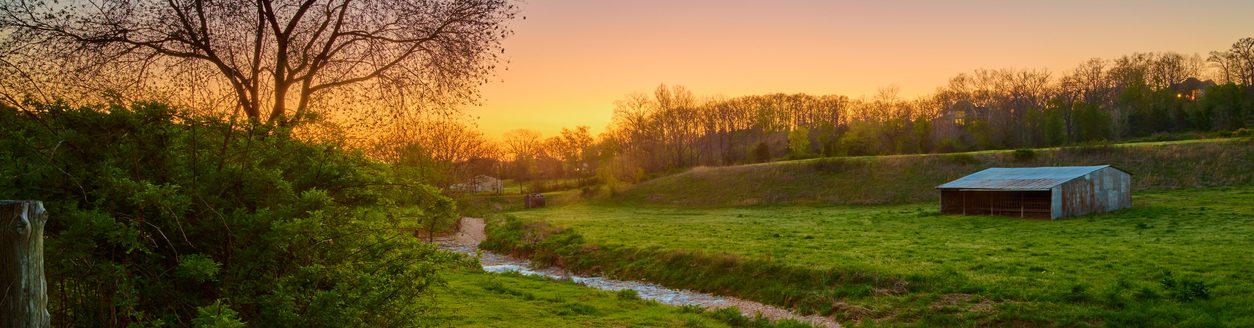
PHOTO: Farming cultivation in agricultural land at countryside. (Adobe Stock │ #502573919 – Mumemories)