“Best Grain Cart Operator”: A driver’s view of the future of farm tech
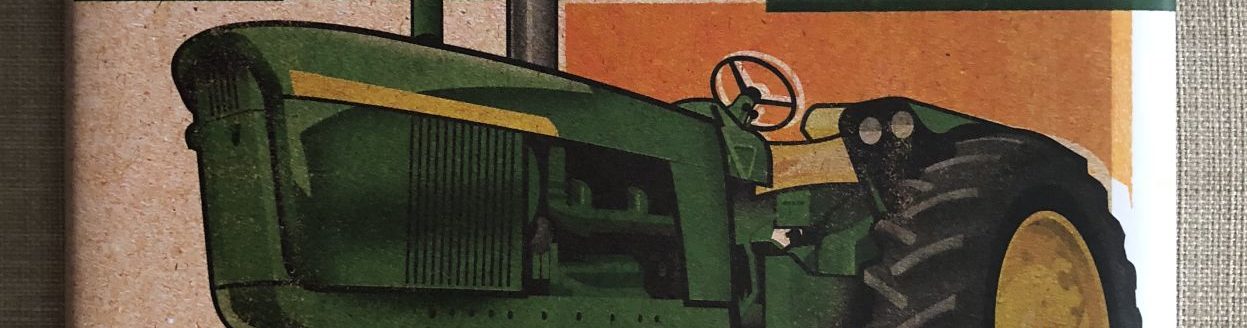
I proudly keep my unofficial title of “Best Grain Cart Driver” on my old harvest crew, even though I haven’t run with them in a decade. My world was a mix of diesel, dust, and timing. I had my seat in the tractor and my own small slice of glory: sliding that car just right under the auger, keeping the combine moving, never spilling a kernel, and keeping up with 5 combines.
I never ran the combine, that was someone else’s beast. My empire was in the in-between: the space where grain left the field and headed toward the bins. It’s a funny place to stand now, because that in-between is exactly where autonomy keeps creeping in.
While most people picture self-driving cars, agriculture has quietly become one of the fastest-growing testing ground for autonomy and AI. Here’s the snapshot of where things stand:
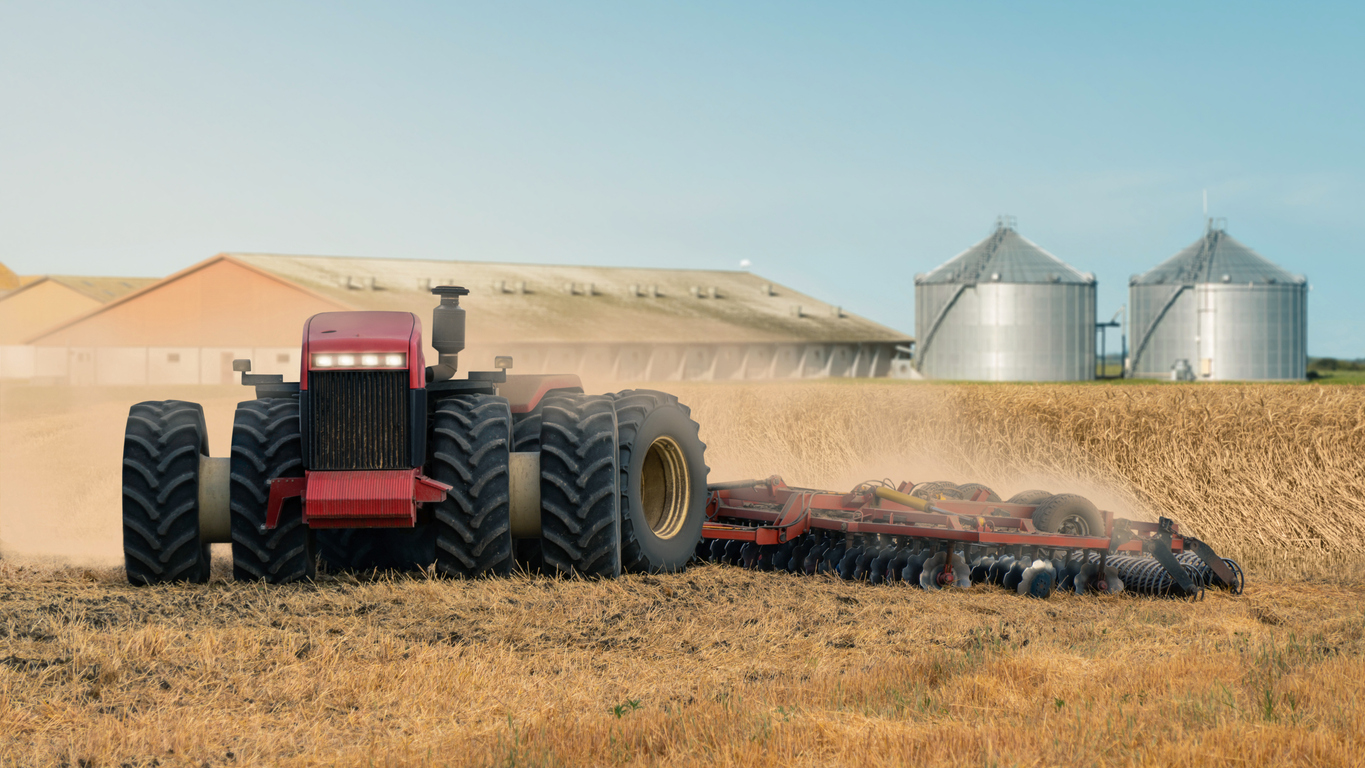
- Autonomous tractors are no longer a prototype. Several manufacturers, such as John Deere, AGCO, and CNH Industrial, now offer driver-optional tractors for tillage and field prep, using GPS, onboard cameras, radar, and geofencing. Farmers can monitor the tractor’s progress from a phone or tablet while it works through the night.
- Autonomous grain-cart systems are in development. A few companies, like John Deere, are testing systems where the grain cart automatically syncs with the combine, matches speed, positions itself for unloading, and returns to the truck, with no driver needed. This directly targets harvest bottlenecks…and the job you once held.
- AI is taking over decision-making. AI isn’t just for machines in the field. It’s also controlling things like robot-assisted vertical farms that grow berries and greens indoors; weed-detecting sprayers that only target individual plants; and data platforms that shuttle planting, spraying, and harvest decisions into software instead of gut instinct.
- Farmer opinions are split. Some see autonomy as essential, especially those with aging workforces or too much land and not enough hands. Others, like myself, view it cautiously, citing cost, reliability, and the worry that the tech companies, not farmers, will control the rules of the field.
The pitch from the tech world is simple: Labor shortages + unpredictable seasons = more automation.
This is the part where I stop being neutral and start being…me. I can’t help wondering what harvest looks like when machines replace the entry-level jobs where so many of us learned the ropes. Running the grain cart wasn’t glamorous, but it taught me timing, responsibility, and how to read a combine operator’s personality by the way they waved their arm (or hollered on the radio). If the grain cart just automatically lines itself up under the auger, what does the next generation learn.
I’m also curious about the way autonomy shifts blame and responsibility. A human driver misjudges a ditch? That’s on them. A machine misreads a sensor and buries itself? That’s…whose fault exactly? And then there’s the heart of harvest: the rhythm, the camaraderie, the quiet moments under a starry sky when the world smells like freshly cut grain, grease, and work being done right. Can a robot feel any of that? Should it?
I’m not against autonomy. I’m not championing it either. In the rush to make farming easier, what pieces of harvest might we lose without realizing it? Maybe autonomy will end up being like power steering: weird at first, then normal, then we can’t imagine life without it. Or maybe we’ll realize that harvest isn’t just a set of tasks to automate; it’s a season that shapes people, drivers, operators, families, crews. The future may be autonomous. But the field still remembers the hands that drove it.
PHOTO: Autonomous tractor working in the field. (iStock │ #1148006183 – Scharfsinn86)