Whole milk takes another step to being back into schools
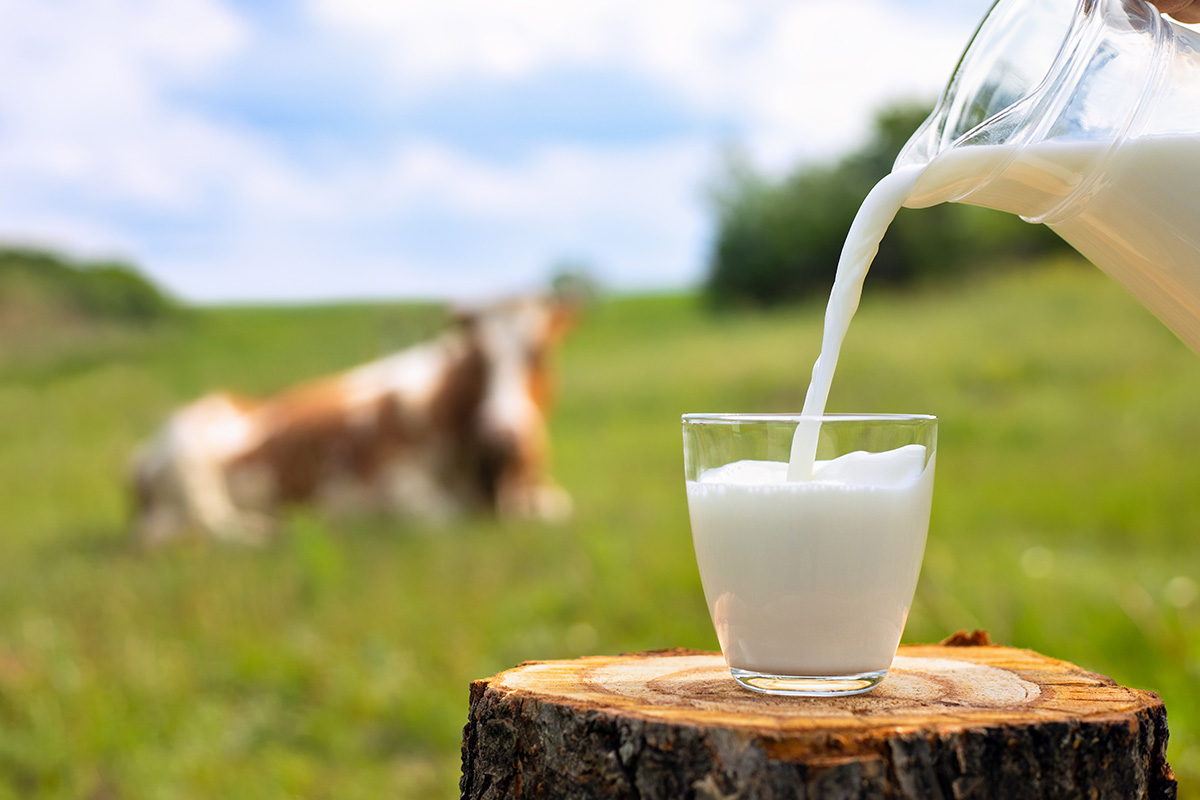
Bringing back whole milk back into schools is a win for kids and the dairy industry, according to U.S. Sen. Roger Marshall.
The Kansas Republican, and a member of the Senate Agriculture Committee, has been working in a bipartisan manner to help get the Whole Milk for Healthy Kids Act recently passed.
He said studies show that milk helps build healthy bones in boys and girls and is nutritious. It is an essential protein source. Whole milk also has a flavor that cannot be matched.
“I think milk is the most nutritious drink known to humankind and I’m just so proud to have it back into our school systems again,” Marshall said.
The Senate’s unanimous support for the legislation means that only House passage and a presidential signature remain before improved access to dairy nutrition in schools becomes law, according to the National Milk Producers Federation. This bill would provide schools with the option of serving whole and 2% milk in addition to the 1%, fat-free, and flavored options currently offered.
Whole and 2% milk are the most consumed varieties at home, offering the same 13 essential nutrients including protein, calcium and vitamin D with a taste kids often prefer, the organization said.
“Restoring schools’ option to offer whole and reduced-fat milk will mean more schoolkids will get the essential nutrients they need,” NMPF President and CEO Gregg Doud said. “This commonsense legislation will help American children get back on solid nutritional footing. We’re grateful that both sides of the aisle can come together and agree on the importance of making informed, science-backed decisions that prioritize the health and future of our children.”
The bill will provide an economic boost to farmers, Marshall said, as It could add up to $2 billion a year to the American dairy industry and long-term believes it will create demand because it establishes a healthy consumption by school children as early as first grade and will continue as they grow up, he said.
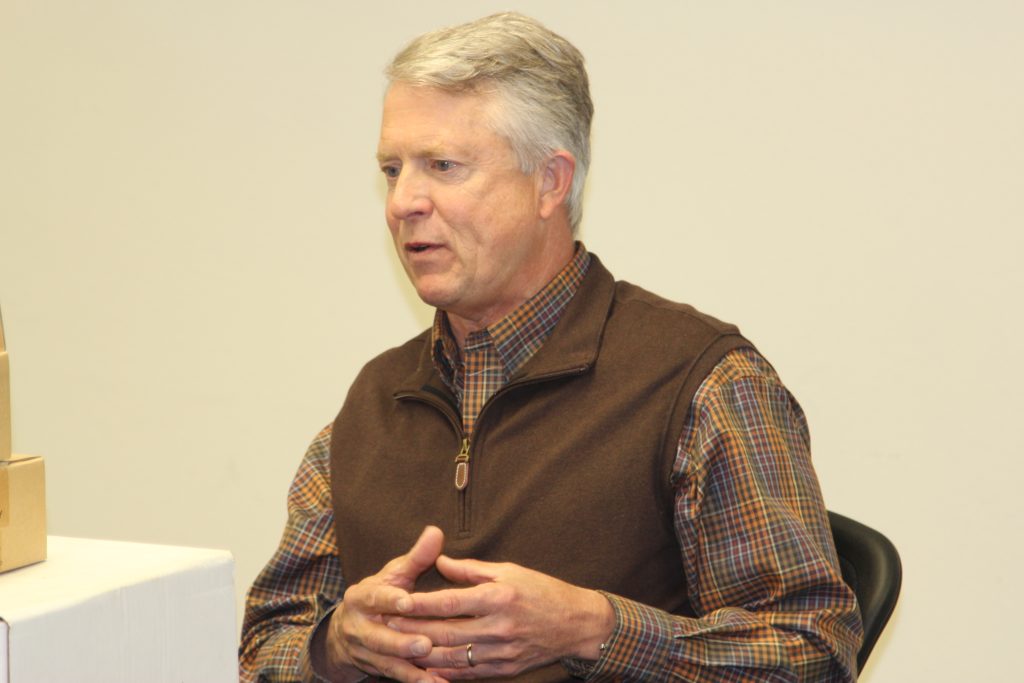
Kansas is one of the fastest-growing dairy states and that should boost the state’s dairy farmers, he said.
The action is headed to the House where ag chairman GT Thompson, R-PA, has been an advocate of getting the measure passed and eventually to President Donald Trump for his signature, Marshall said. Ranking minority leader Rep. Amy Klobuchar, D-MN, has also enthusiastically endorsed the bill.
“I bet it goes through a fast track on the House side and the president will sign it,” Marshall said. “We’re on Trump time now, which means that they will get it implemented very soon.”
If that occurs, whole milk could be back in some Kansas schools as early as January, he said.
A personal note
Marshall said he has a personal reason for seeing dairy farmers succeed, which goes hand-in-hand with milk production and consumption.
“My dad grew up on a small dairy farm in rural Kansas, and I just remember how sad it was when I was in first grade that they had to sell the cows,” Marshall said. “They just couldn’t keep a small dairy operating.”
However, his grandparents still kept some dairy cows. His grandmother milked the cows and his grandfather would deliver it to the house.
“For 20 years they brought milk to our house, twice a day. It was just part of our breakfast, lunch and dinner,” Marshall said. “I just couldn’t believe that kids were drinking so many other things other than milk. It is so nutritious and there’s protein in it.”
Other items on the plate
On other matters, he understands the frustrations farmers and ranchers are facing with low grain prices and persistently higher input costs.
“We didn’t get into this mess overnight,” Marshall said.
Inflation over the past four years has had a cumulative impact on production costs, particularly fertilizer plus higher interest rates have impacted them. An average Kansas farmer has a $1 million operating loan and that adds up. Interest rates are down slightly and diesel fuel is less expensive than they were a year ago.
Marshall said the federal government shutdown that lasted nearly six weeks was another frustration. He said the U.S. Department of Agriculture did open Farm Service Agency offices to help producers during that time.
USDA recently announced it was going to provide aid to farmers and ranchers and other monies to help with rural economic development.
He expects Congress to take up a farm bill in 2026 and although he was supportive of July’s One Big Beautiful Bill and its support for agriculture, he said Congress needs to finish up work that was not included in the measure.
High Plains agriculture needs certainty for biofuel and ethanol because there are new markets particularly on the global scene, he said.
He has been encouraged by recent trade announcements by the Trump administration and he hopes that will open new markets.
Dave Bergmeier can be reached at 620-227-1822 or [email protected].