Potato…Po-tah-to: Knowing the variety makes a difference in how you cook versatile vegetable
Starch, moisture content affect quality of recipes that include potatoes
Kansas State University food scientist Karen Blakeslee says that even though two potato varieties may seem the same, there can be a big difference in how each makes it to the dinner table.
She said starch and moisture content determine the best use of various potatoes.
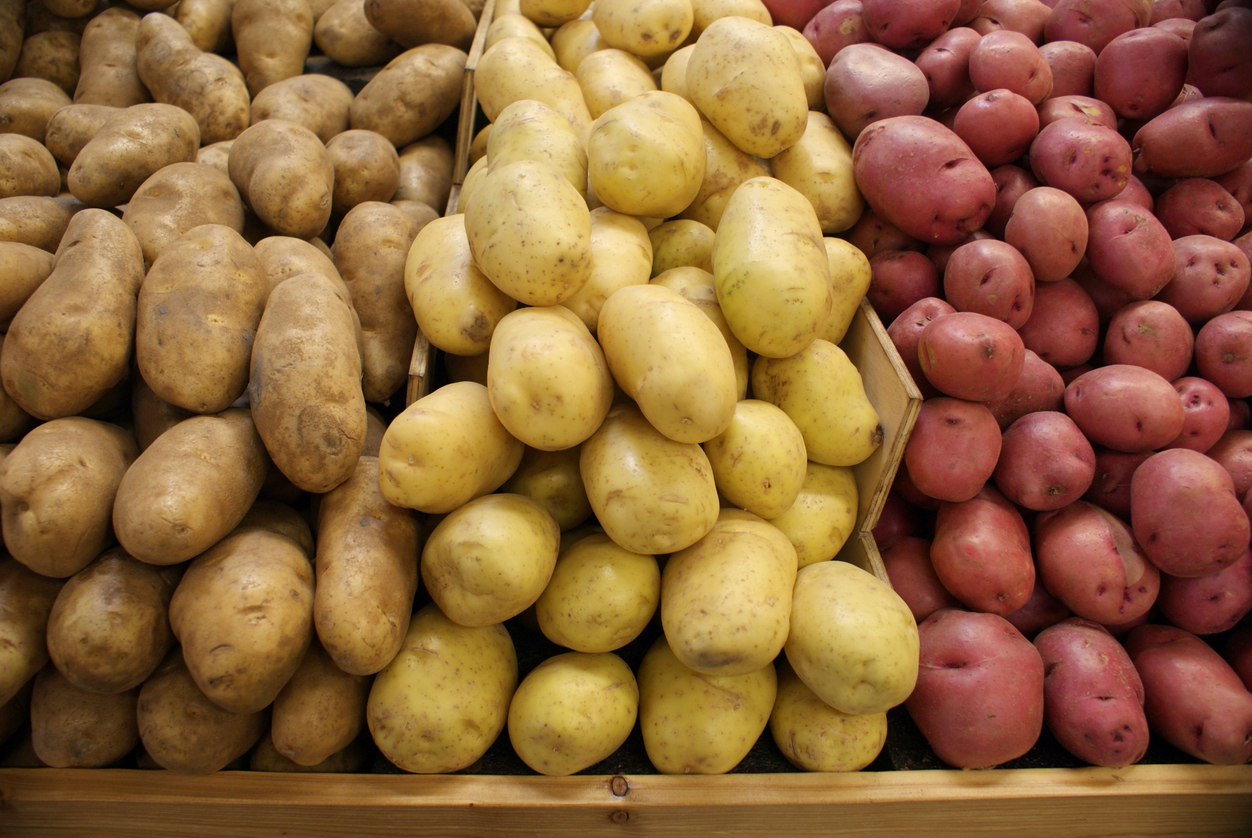
“If you want the potato pieces to hold their shape, such as in a casserole or salad, then a waxy variety is best. These include yellow and small white potatoes,” said Blakeslee, who also is the coordinator of K-State’s Rapid Response Center for Food Science.
However, “for baking, mashing or frying, Russet varieties are the best choice because they contain more starch and give a fluffier texture. For added color, red-skinned potatoes or purple potatoes can be roasted or used in salads.”
In her monthly food science newsletter, called ‘You Asked It!,’ Blakeslee outlines the best uses of popular potato varieties, including:
- High starch, low moisture varieties. The russet potato fits into this category. These yield a dry, fluffy, mealy texture well suited for baking, mashing, frying or pureeing. They also make good French fries.
- Low to medium starch/high to medium moisture. These include red and yellow potatoes. They have a waxy texture that makes them good for boiling, steaming, braising, stewing, in salads, or any recipe where potatoes need to remain intact. They don’t absorb much water during cooking, so they have a smooth, creamy texture.
Some varieties and their common uses include:
- Russet – baking, mashing, frying, roasting.
- Whites – boiling, steaming, mashing, baking, roasting, casseroles, soups, salads.
- Reds – boiling, roasting, steaming, casseroles, soups, salads.
- Yellows – baking, boiling, mashing, roasting.
- Blue/purple – baking, mashing, French fries, steaming, boiling.
- Fingerlings – steaming, baking, boiling, salads.
“The cooking method, size of potato or pieces, and how they are used in recipes will determine the time and temperature to cook potatoes,” said Blakeslee, noting that the Idaho Potato Commission recommends baking whole potatoes at 400 degrees Fahrenheit for 45-60 minutes, or when it reaches an internal temperature of 210 F.
“When baking whole potatoes in the microwave,” she adds, “be sure to pierce holes in the potato to allow steam to vent.”
Blakeslee said all potatoes need to be handled safely. Though it’s rare, baked potatoes wrapped in foil have been linked to botulism outbreaks.
“The foil can retain heat if the potatoes are left at room temperature for more than two hours,” Blakeslee said. “Wrap potatoes loosely in foil. Remove the foil to store leftover baked potatoes in the refrigerator to prevent the risk of botulism.”
Also, before using them, she recommends scrubbing potatoes with a vegetable brush under running water to remove dirt. Remove visible damage. Do not wash potatoes until you’re ready to use them.
“For best quality, do not store potatoes in the refrigerator,” Blakeslee said. “Store in a cool, dry, dark location, and keep them separate from other produce, such as onions, which can cause sprouting.”
Direct light can cause potato skin to turn green, producing a compound called solanine, which Blakeslee says can be harmful to consume in large quantities. “Peel away green skin to remove this problem,” she said.
More tips on preserving potatoes is available in the K-State Extension publication, Preserve it Fresh, Preserve it Safe: Vegetables.
PHOTO: Three different kinds of potatoes, in bins at a farmer’s market. (iStock │ #172937343 – TheCrimsonMonkey)