A new year’s checklist for borrowers: What ag lenders want to see
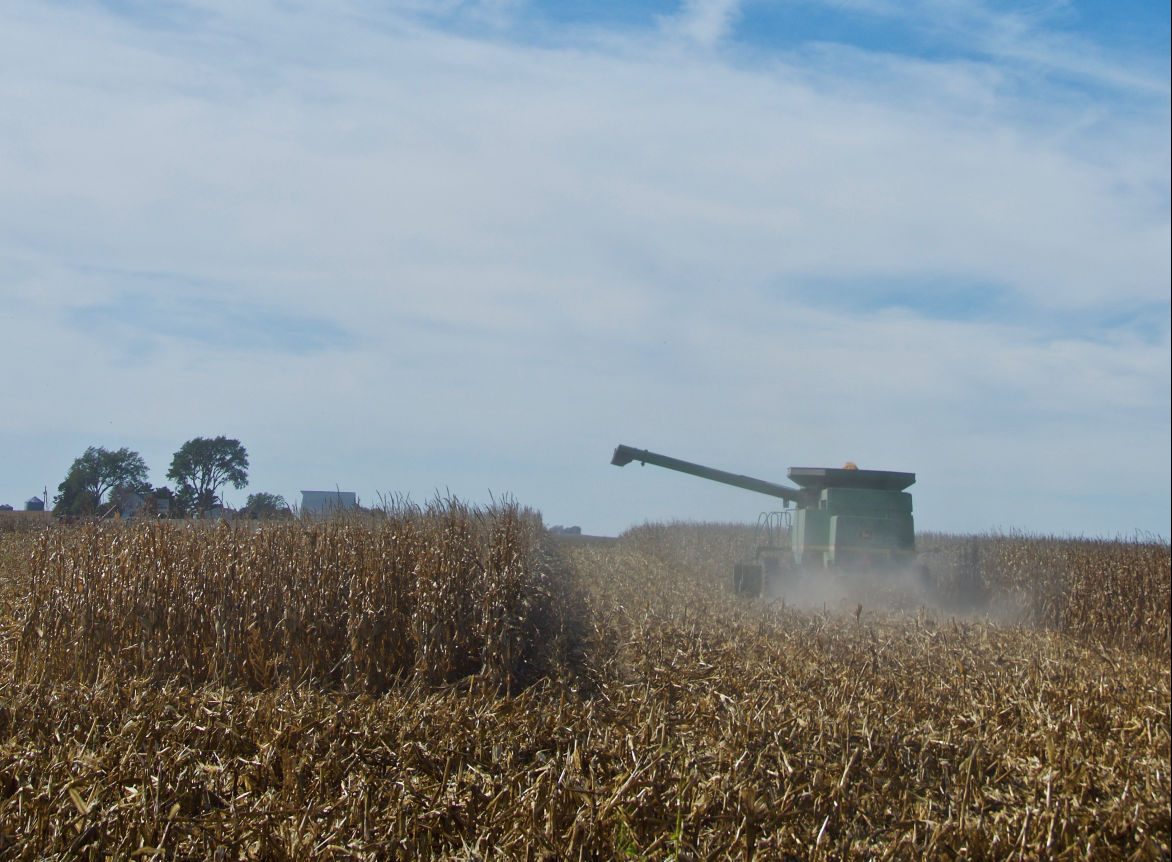
As 2026 gets underway, many producers are navigating a familiar mix of uncertainty and resolve. Input costs remain elevated, margins are tighter for many operations, and lenders are taking a closer look at risk than they have in recent years.
For producers who may need financing this year—whether for operating loans, refinancing, or long-term planning—understanding what ag lenders are watching can help turn a cautious environment into a workable one.
The current lending environment
Agriculture lenders are entering 2026 with a more conservative posture. With roughly half of United States farm borrowers projected to show positive margins and many lenders expecting farm debt levels to rise, competition for available credit is increasing.
That doesn’t mean financing is out of reach, but it does mean lenders are prioritizing preparedness, transparency and sound planning.
Get your financial house in order
Producers who come to the table with clean, current financial records are better positioned in today’s lending climate. Accurate balance sheets, cash flow statements, and cost tracking show lenders that an operation is being managed intentionally—not reactively.
But good numbers are only part of the equation. Producers also need to understand what those numbers are telling them.
“Producers who understand their numbers and can explain them clearly are in a much stronger position,” said Thomas Eatherly, farm business management adviser at Pinion. “That level of clarity builds confidence on both sides of the table.”
Strong records—and the ability to speak confidently about them—also give producers more leverage in lending conversations, particularly when margins are under pressure.
USDA programs remain part of the picture
“Supplemental income and government payments can help with cash flow and stability,” said Phil Newendyke, farm program services adviser at Pinion. “From a lender’s viewpoint, these programs can help bridge the gap during lean years. Producers should show realistic estimates and consistent utilization of available programs—from revenue and disaster assistance to cost-share and conservation incentives.”
Participation in U.S. Department of Agriculture and Farm Service Agency programs can meaningfully strengthen a borrower’s overall credit profile. Disaster assistance, revenue protection and other government programs signal to lenders that a producer is proactively managing risk and stabilizing income—not reacting after the fact. When these programs are reflected consistently in financials, they build lender confidence and demonstrate a thoughtful, long-term risk management strategy rather than last-minute support.
To prepare your operation for these opportunities, make sure your acres are accurately reported and that your local FSA office has your most current information on file.
“Staying proactive with paperwork and annually reviewing your farm operating plan will ensure you’re first in line when opportunities arise for future programs,” Newendyke said. “It also demonstrates an extra layer of stability to your lender.”
Newendyke also recommends seeking professional guidance if a lender wants to secure operating lines of credit with a mortgage, guarantee, or cosigner from a landowner (personal or legal entity) other than the operator. Many lenders are unaware this type of “tainted capital” violates the
actively engaged in farming rule and could result in ineligibility for certain programs, including Agriculture Risk Coverage/Price Loss Coverage.
Finally, accurate and up-to-date documentation is essential. Lenders want to clearly understand how government programs fit into the broader financial picture—not view them as incidental or temporary support.
Tax planning still matters
Tax strategy plays a meaningful role in how lenders assess risk. Decisions around income timing, equipment purchases and inventory management can significantly affect cash flow and year-over-year stability.
When lenders see that a farm is implementing a thoughtful, long-term and cash flow strategy—rather than making reactive, year-end decisions—it builds confidence in the operation’s financial discipline and sustainability. Working with a tax adviser to align tax planning with long-term financial goals helps demonstrate predictability and resilience, qualities lenders value far more than short-term tax savings alone.
Land continues to anchor lending decisions
Despite broader economic pressures, U.S. farmland values on average remain firm, with slower growth and regional differences reflecting local markets and production conditions. For many producers, that stability continues to support lending conversations.
“Some positive news for many producers is that land values are holding steady and are expected to remain relatively firm,” said Quint Shambaugh, land and conservation services adviser at Pinion. “That stability provides collateral strength and a level of flexibility when talking with lenders.”
Beyond collateral value, producers are also looking to land as a source of supplemental income. Wind and solar leases, USDA programs and regional conservation initiatives can help diversify revenue streams, improve cash flow and reduce overall financial risk.
“Land is more than a balance sheet item—it’s a long-term asset,” Shambaugh said. “Working with a professional can help producers evaluate their land’s full potential, identify overlooked opportunities, confirm program eligibility, and protect the long-term viability of their operation.”
Prepared producers stand out
Lenders aren’t looking for perfect years—they’re looking for producers who plan ahead. That means:
· Maintaining accurate, timely financial records
· Understanding true production costs
· Using available programs to manage risk
· Communicating early with lenders and advisers
· Making decisions with both the short and long term in mind
In a tighter credit environment, preparation builds confidence—and confidence opens doors. For producers who stay organized, communicate early, and plan with intention, 2026 still offers opportunity.
Editor’s note: Keaton Dugan, a certified public accountant, advises farmers and agribusiness owners on strategic tax planning, succession strategies, and long-term financial sustainability. Whether the goal is to expand operations, transition ownership, or optimize tax structures, Dugan draws on his experience as a trusted advisor and his background working on his family’s multi-generational farm to deliver practical, tailored solutions. Contact him at [email protected].