As I sit here in the new Stockyards and Livestock Center at the 2026 National Western Stock Show and Rodeo, I spent a moment wondering what the founders from 120 years ago would think if they could see it now.
To put it all into context, 1906 was the first year a gathering took place and Denver barely had indoor plumbing, particularly where mining was taking place. It wasn’t until after 1930 that rural America and most of Colorado had such luxuries. In fact, a quick history lesson says:
Before the 1930s, most rural homes relied on outhouses and hand-pumped wells. The 1930s brought significant changes as government programs helped extend infrastructure to rural areas, with many farm families gaining access to indoor plumbing by the end of that decade.
As I sit here communicating with you via wireless internet connection, watching a pen bull show, I have to shake my head about the progress we have made. As a side funny note, the only complaint I have heard from exhibitors here is that there are not enough “portable potties.” Funny because those would have been considered a luxury in 1906.
The real success story for me at the 2026 NWSS is the commitment and investment from Denver to keep the stock show moving forward. For those that may not know, there has been a political riff in the past between “the city of Denver” and “the stock show.” Major kudos to everyone who has contributed to bridging that gap because I believe that all stock shows are more important today than they were even in 1906.
In 1906, the purpose was clearly to bring cattlemen to one central point for the social aspect and also to evaluate and acquire new genetics for personal herd improvement. In 2026, my contention is that there are two main purposes—one the same and one vastly different.
For almost everyone, the real asset of the National Western Stock Show and Rodeo is to see people from every part of the country and world that you don’t see often. The social aspect is just as important today as it was in 1906 even though we are all “digitally” wired in this high-tech world. We truly need to have eye-to-eye contact and real conversations.
In so many ways, the importance of “genetics” has zero to do with a stock show other than a political beauty contest for animals. I take nothing away from the high dollar cattle that did trade hands at this event and every other one in the nation. However, I don’t believe that shows have any bearing on the quality of meat produced and the efficiency of those who do it.
The second purpose of a stock show is the one that is more important than ever. The people pushing a stroller with their family in tow need more attention than they have gotten in the past 120 years.
I have had a great time visiting with people in the trade show area, inquiring about what the general conversations are like. Believe it or not, nobody has indicated that the revised Dietary Guidelines for America are on anybody’s radar screen. To be honest, since the guidelines came out that I recently wrote about, nothing has occupied my discussion more than the importance of fat in the diet.
A young man working in the Colorado Beef Council display, which was very good by the way, did have one person ask if it was true that fast food restaurants served dead humans in their ground beef. Now you see the importance of making an even bigger push to explain the importance of farming to the non-farm public and it has reached a critical mass.
I am going to recycle a saying that I have used so many times before but I recognize that it has greater significance today than ever: The problem with our nation today is that too much of what they know just isn’t so. They get their artificial intelligence-generated “facts” and fake news from unreliable sources and they are scared silly.
What better way to introduce them to livestock production and the farm and ranch families that produce protein for them than by bringing them out to the stock show? It’s a tool that we in agriculture need to use to our fullest potential because the future of our world depends on educating both consumers and policy makers the old-fashioned way: Eye to eye.
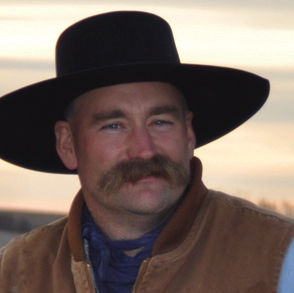
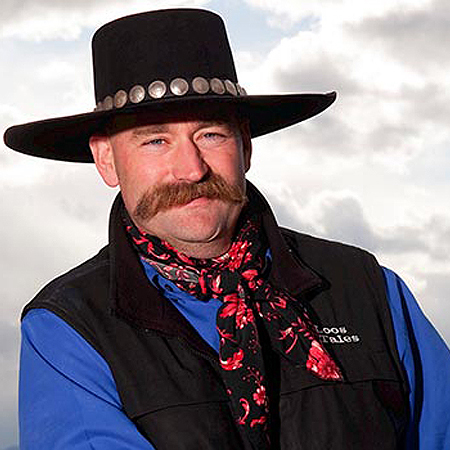
Editor’s note: The views expressed here are the author’s own and do not represent the views of High Plains Journal. Trent Loos is a sixth-generation United States farmer, host of the daily radio show “Loos Tales” and founder of Faces of Agriculture, a non-profit organization putting the human element back into the production of food. Get more information at www.LoosTales.com, or email Trent at [email protected].
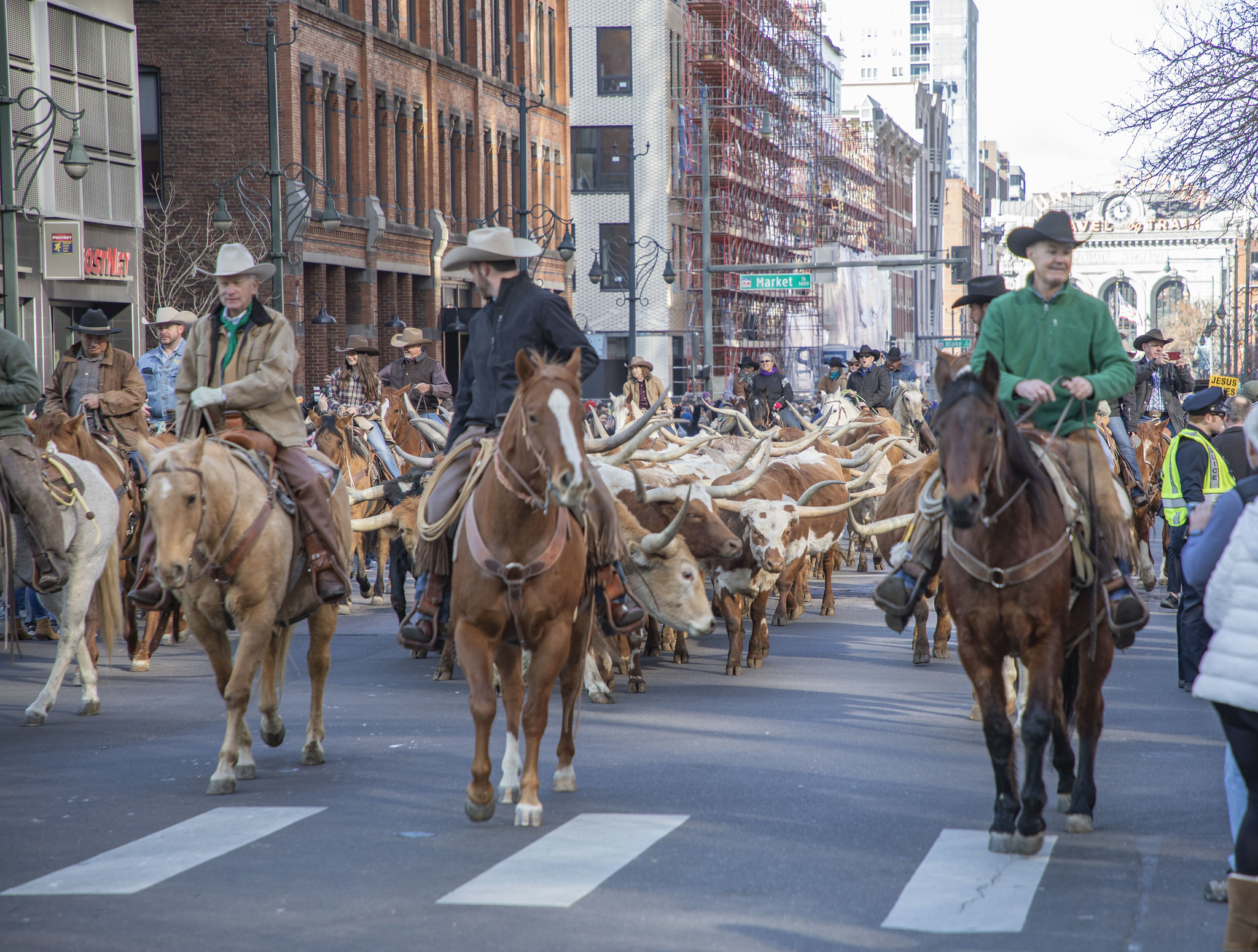
PHOTO: National Western Stock Show Parade (National Western Stock Show – Volunteer Photographer)