
Breaking down the breed: Leghorn
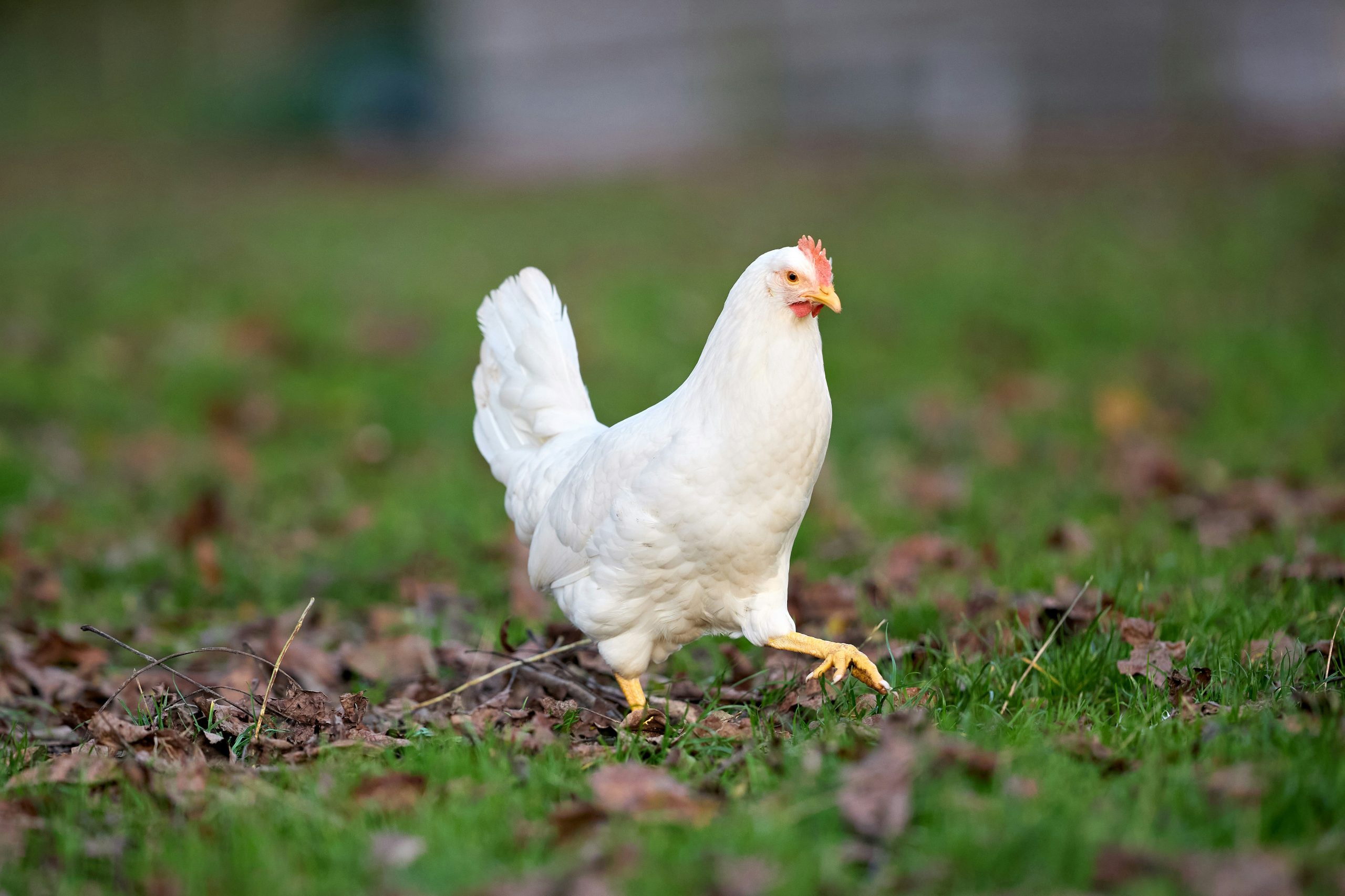
The Leghorn chicken is one of the most common breeds. It originated in Tuscany, Italy, and the breed started being imported to North America in the 1820s. Although called “Italians”, these birds eventually became known by the name Leghorn after the port city they were exported from in Italy. They were first called Leghorns in 1865 in Worcester, Massachusetts.
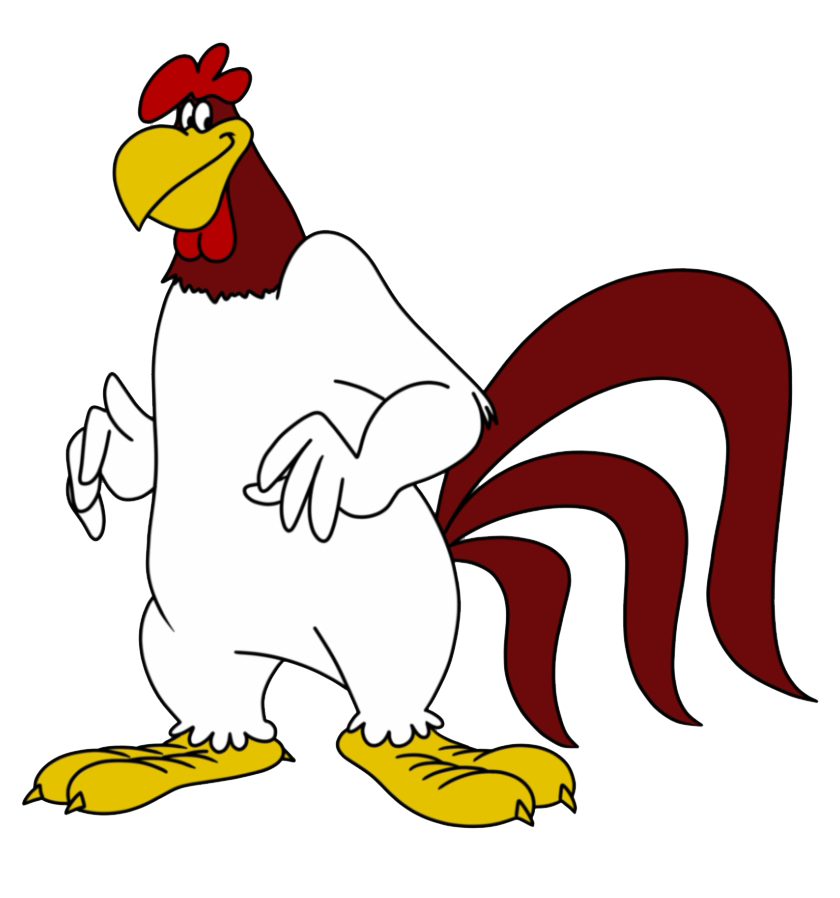
Most Leghorns are white, although there are other colors that are less common. They are medium-sized birds, known for their yellow legs, large red combs and sleek tail feathers that fan upward. One of the most famous chickens in pop culture, Foghorn Leghorn, from the Looney Tunes and Merrie Melodies cartoons, is depicted as a Leghorn rooster and is known for his Southern drawl.
Leghorns are known as prolific egg layers, and are used in many commercial and backyard flocks for their egg producing capabilities and feed efficiency. They lay between 280 to 320 eggs per year, depending on the bird. Pullets usually start laying eggs at 4 to 5 months of age. Leghorns lay large, white eggs and are the center of the commercial egg industry. Most of the eggs sold at grocery stores are laid by this breed.
Leghorns can be a valuable addition to a backyard flock for their hardiness, egg production and classic appearance. They are a low-maintenance breed and enjoy foraging for insects and plants. They are highly adaptable, but fare better in warmer environments because of their heat tolerance. Their large comb can be a drawback in extreme cold weather.
Another positive attribute of Leghorns is that the hens are not a breed known for broodiness—a behavior where hens will sit on eggs and not leave the nest. Although they are a versatile breed, Leghorns are not known for being great pets. They tend to be independent, sometimes nervous, and reject human companionship. Leghorns focus on foraging and laying eggs rather than socializing with their human caretakers.
Lacey Vilhauer can be reached at 620-227-1871 or [email protected].
TOP PHOTO: Leghorn pullet. (Photo by Erwin Bosman via Unsplash.)



