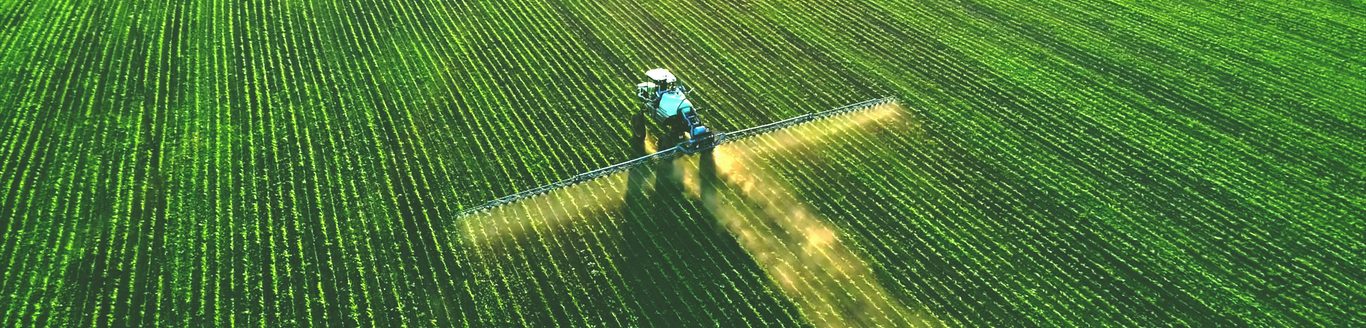
Mid-February. The “interface” of feeding hay from last season while in various stages of fertilizer applications for this season. Completely unrelated? Not as much as you might think.
If you’ve ever pulled soil samples from hay ground and pasture adjacent to each other, it’s not uncommon for nutrient levels to be higher in the pasture than in the hay ground—even when fertilizer application levels might be greater in the hay ground. The reason is most often tied to utilization. In hay fields, we apply nutrients and remove most of it in hay. In pastures, it’s often recycled—at varying degrees depending on what animal is utilizing it—through the animal, resulting in more stable soil test levels in pastures while hay field levels decline.
Beyond nutrient cycling, another potential factor impacting soil test levels occurs when pastures also become winter feeding sites. The U.S. Department of Agriculture’s researcher Alan Franzluebbers wrote in a recent Hay and Forage Grower article the importance of understanding how often concentrated feeding areas can affect soil test results from the high soil test phosphorous and potassium levels in these zones. It often means altering testing protocols on these pastures to get accurate results.
Where do those nutrients come from? Often from that hay we fertilized in the last couple of months. A team of University of Missouri scientists attempted to quantify the fertility contribution of a fertilized cool season forage in a publication entitled Calculating Fertilizer Value of Supplemental Feed For Cattle On Pasture. They found that a ton of 12.5% protein hay provides about 10 pounds of nitrogen, 12 pounds of phosphate, and 35 pounds of potassium. Depending on the amount of hay fed—and the distribution across the feeding site—it could be a substantial supplement to synthetic fertilizer also being applied.
What does that mean for pasture fertility? For starters, caution needs to be taken when soil sampling fields where winter feeding occurs, so results are an actual accurate representation of the field as a whole. Second, we may also have an opportunity to use managed feeding to utilize the fertilizer we’re applying to a hay crop this year to help increase pasture fertility levels next year.
It’s not a simple task—or in some cases even possible—to adjust feeding sites this way, but it could be a consideration for shoring up sites suffering from poor fertility levels.
David Hallauer is a district Extension agent for crops and soils with K-State’s Meadowlark District.
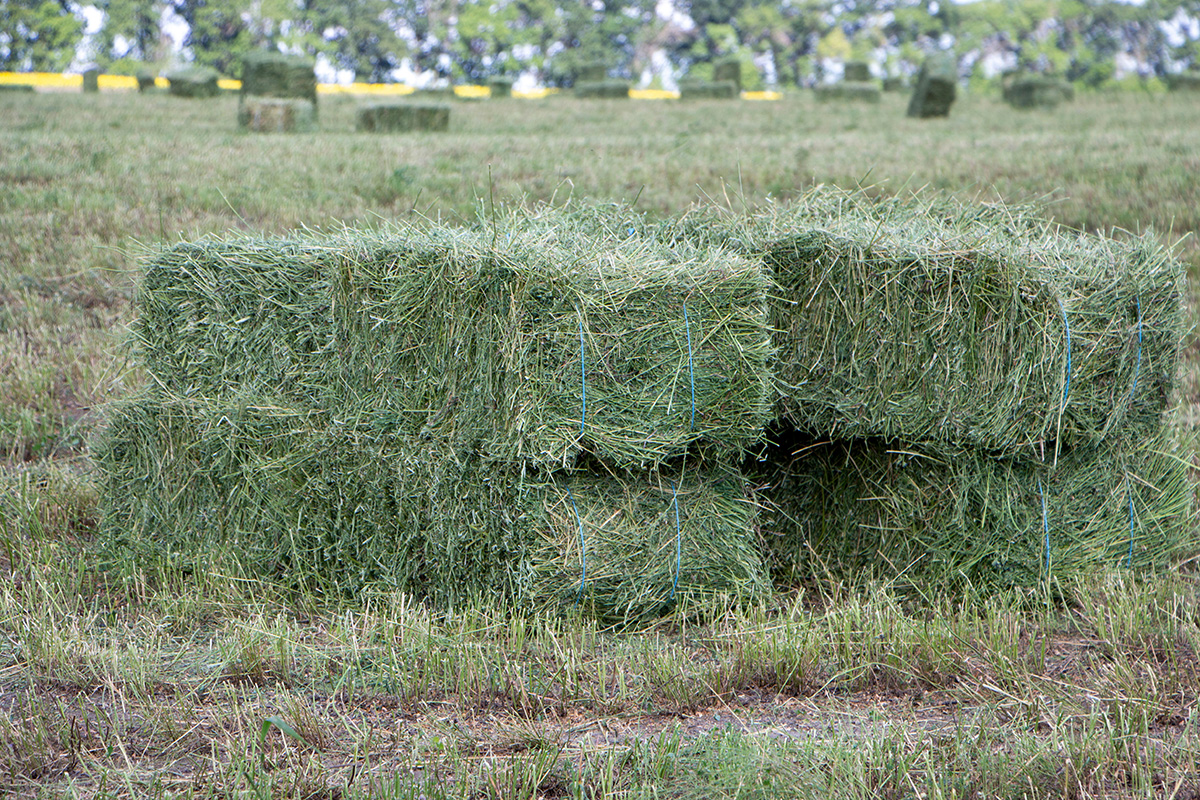
PHOTO: Square bales of alfalfa hay for cattle are lying on the field. (Adobe Stock │ #369798473 – malshak_off)