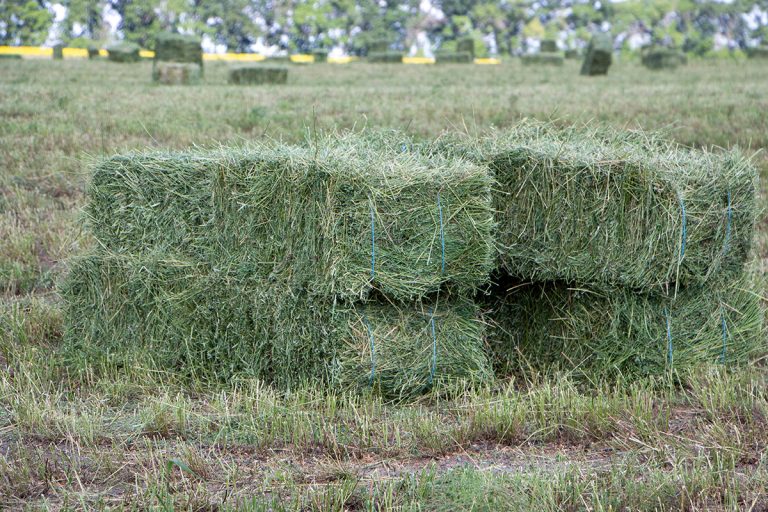
Square bales of alfalfa hay for cattle are lying on the field. (Adobe Stock │ #369798473 - malshak_off)

Forage feeding and soil fertility

  • By David Hallauer │ Kansas State University Research and Extension
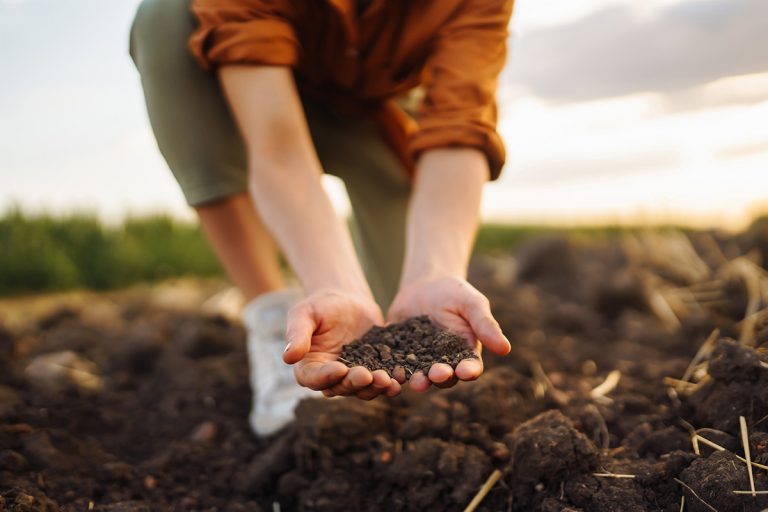
Woman checking soil health before growth a seed of vegetable or plant seedling. (Adobe Stock │ #572997453 - maxbelchenko)

Do I need to test my garden’s soil?

SOIL FERTILITY — The annual Wayne E. Sabbe Arkansas Soil Fertility Studies publication guides nutrient management recommendations to improve soil health and crop yield. (U of A System Division of Agriculture photo)

Publication reveals soil lab use, fertility findings for blackberries, row crops, forages

  • By Maddie Johnson │ University of Arkansas System Division of Agriculture
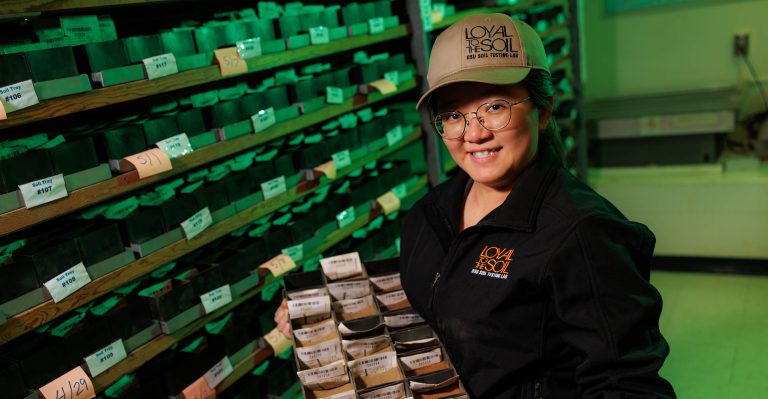
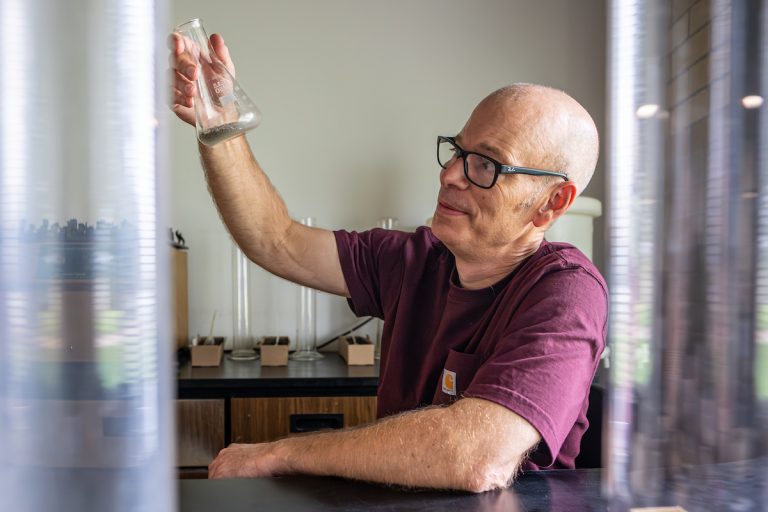
Bee Khim Chim joined the OSU Extension Soil, Water, Forage and Laboratory as its new director in January 2025. The lab receives 58,000 samples for analysis each year. (Photo by Mitchell Alcala, OSU Agriculture)
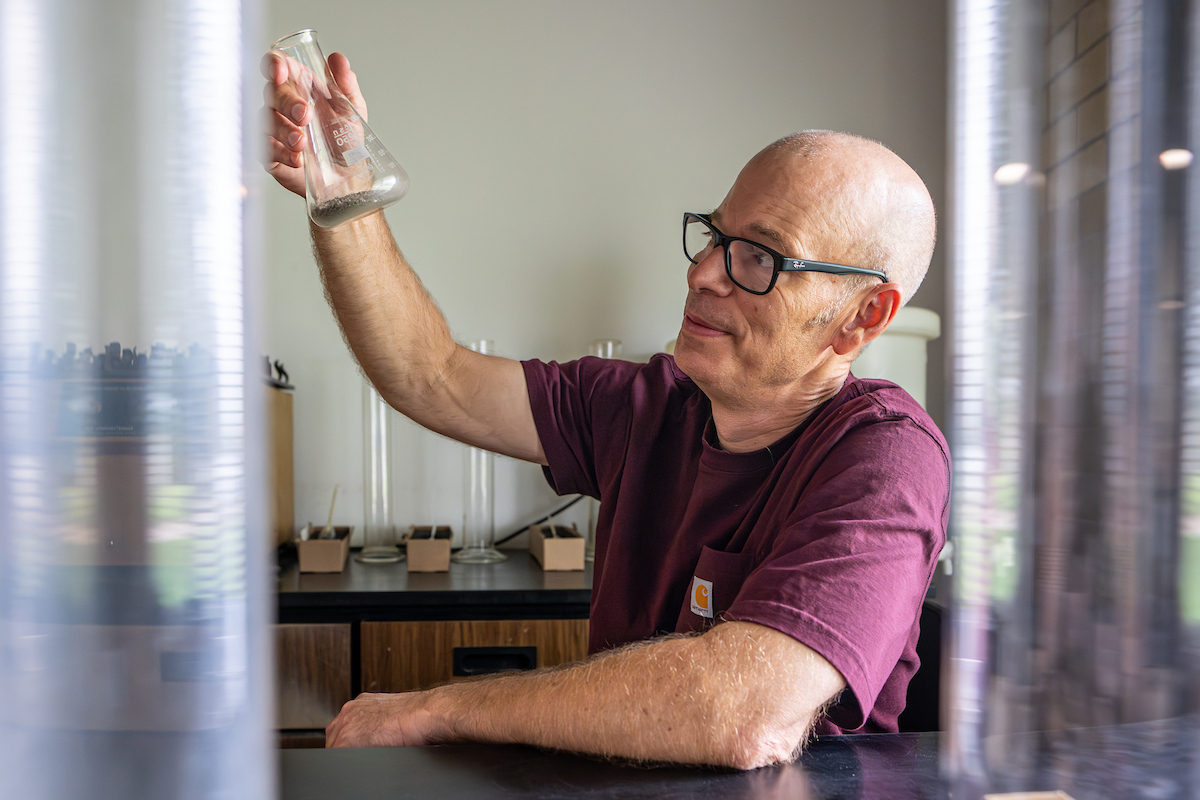
University of Missouri Extension field specialist in agronomy Rudra Baral recommends a precise soil test every three years to help prevent buying and applying unneeded fertilizer. Photo courtesy of Rudra Baral.

Soil tests key to fertilizing warm-season forages

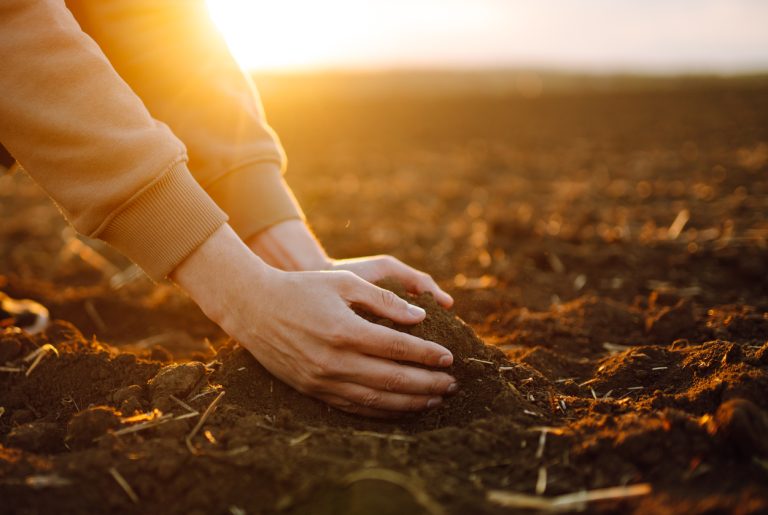
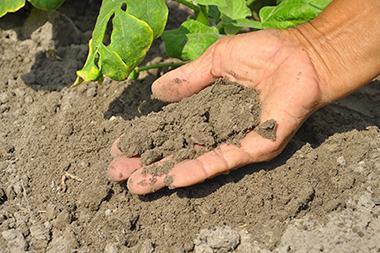
Farmer touching soil on the field. (Photo: iStock - Maksym Belchenko)
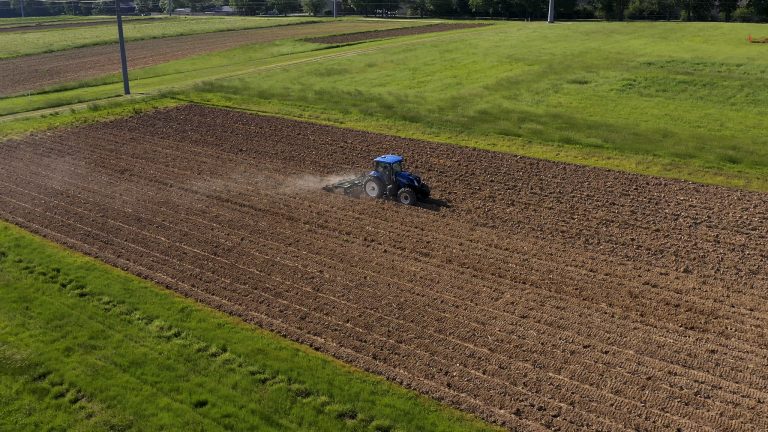
Tractor spray fertilizer on green field. (Photo: iStock - moiseXVII)
Use technology to decide where to invest your input dollars in 2025, says University of Missouri Extension agronomist Wayne Flanary. Focus on parts of your acreage that will likely benefit. Diagram courtesy of Charles Ellis.

10 ways to manage high input costs in 2025