Springtime means warm days, green lawns and anticipation for the future gardening season. It never fails; gardeners are always making plans this time of year, just itching to get their spade in the ground, and have high expectations for their vegetable crops.
However, the best laid plans don’t always equal a bumper crop. There are main pitfalls in horticulture and vegetable production that even experienced gardeners can fall in. But every year there is an opportunity to gain knowledge and learn from past mistakes.
Big plans, big challenges
Casey Hentges, Oklahoma State University associate Extension specialist in horticulture and landscape architecture and host of the weekly television show, “Oklahoma Gardening”, said one of the biggest mistakes a gardener can make is to over plan, and it’s easy to do anytime one steps into the plant section of any retail store.
“I think even the most experienced gardener can sometimes fall into the spring overzealous mindset,” Hentges said. “Spring brings new opportunities like a new year’s resolution. Gardeners are typically optimistic people, and it is easy to go a little overboard when you are planning and shopping, which can later lead to some regret with the amount of work or not being able to keep up with it all that can lead to frustration or failure.”
Her best advice is to start small, especially for new gardeners. Hentges said one of the biggest mistakes a horticulturist can make in starting a new garden is to take on too big of a garden space and try to grow everything at once. It often leads to failure and discouragement.
“Regardless of what you plant, the most important thing is to grow your confidence as a gardener. Keep it simple; you don’t have to invest a lot of money and buy all the tools or kits. Plant some herbs in a container and place it by your door where you will see it daily.”
Watering missteps
Over and under watering are some of the costliest mistakes a gardener can make, according to Hentges. She said watering inconsistently, too often or in a shallow manner, is also among the watering gaffes.
“The best way to water is deep and less frequently encouraging plant roots to grow deeper,” she said. “This will allow your plants to have a larger root system encouraging better plant health, making them more resistant to other pressures. People might also think any rain they received was enough without actually checking.”
When planting a new garden, Hentges said it is wise to place it near a good water source and within sight, so it is easy to monitor. This also makes general maintenance easier, and produce can be picked on time.
“If it isn’t located near a convenient watering source, you will soon get tired of dragging hoses or bucketing water,” she added. “And checking it daily will create a habit and allow you to begin seeing subtle changes, making you more keenly aware of watering needs. Look for any foliage coloration changes, check the underside of leaves for any pests so you can get ahead of any pest problems early. Even if you don’t have the time to actually do anything in the garden, if you can check it just to make sure nothing is in crisis mode.”
Additionally, Hentges said irrigation systems can also be a source of watering problems. They must be checked often to make sure they are operating properly, and there is good coverage for the plants.
Fertility mistakes and poor planning
Many soil and fertility mistakes can be prevented with a simple soil test through a local or county Extension office. It is the best way to understand what soil needs or does not need. Extension educators are also available to understand what the results mean and how to best use them in a vegetable garden.
Hentges said the most common mistakes related to fertilizer are not fertilizing based on a soil test recommendation; believing more fertilizer is better; and doing what you’ve always have done expecting to get the same results.
Knowing your environment is also key. Hardiness zone, sun exposure and soil type all contribute to proper garden planning and will guide plant selection and spacing, which can be the difference in a failure and a triumph.
“Poor planning can lead to spacing problems later. Either plants are too close together that can reduce plant health, or they are too far apart leaving bare soil between plants that create an opportunity for weed problems,” Hentges said.
Hentges said plant selection is also important in a successful garden.
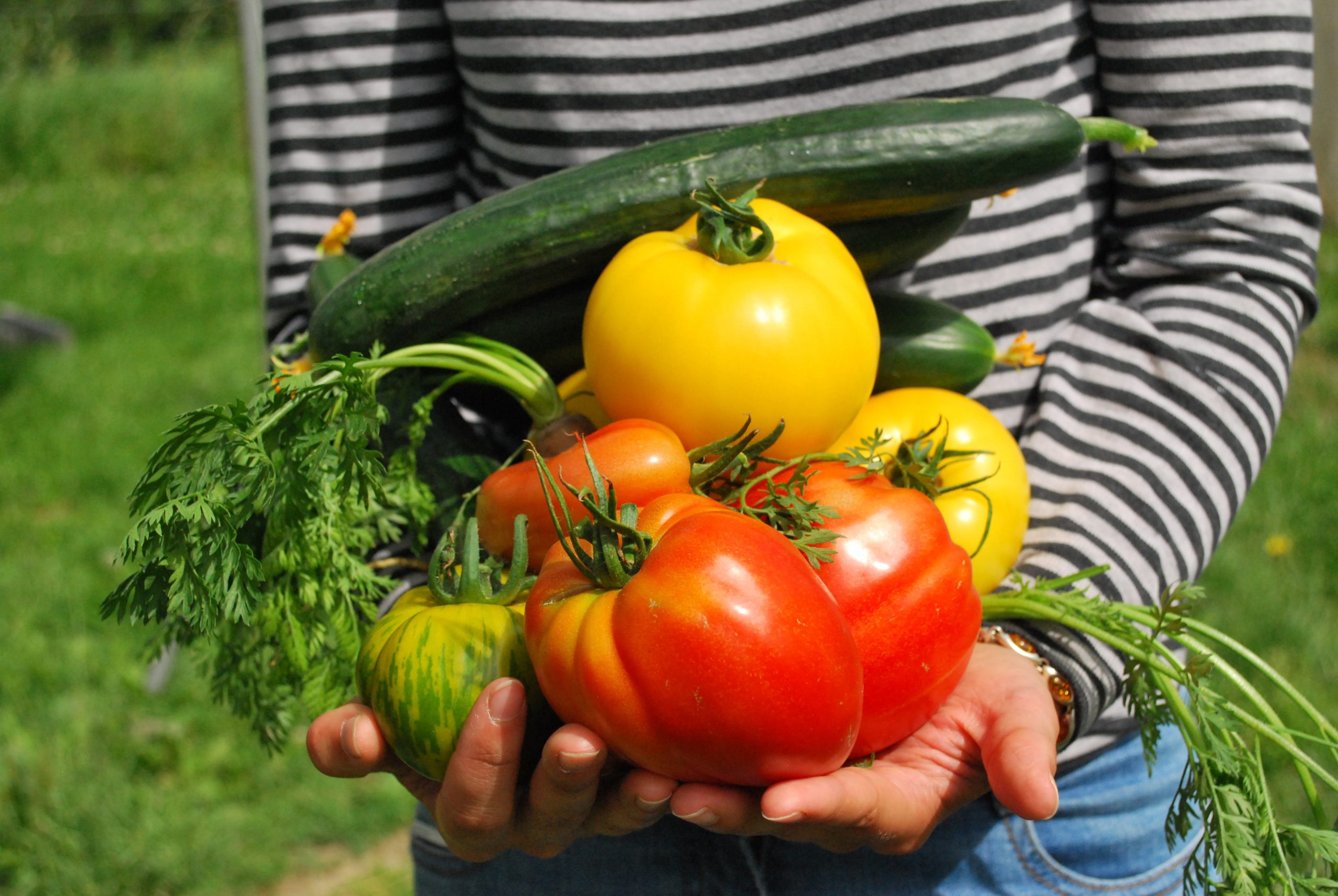
“Hybrids often offer built-in disease resistance, but maybe you prefer the flavor of heirlooms instead,” she said. “Indeterminate tomatoes will continue to grow taller and need staking compared to determinate tomatoes. There are tomatoes that are better for snacking or adding to salads, some better for slicing, and others are better for pastes and cooking.”
Her advice is to know what you want to grow when you buy plants and grow the vegetables you enjoy eating.
“So often I hear gardeners growing plants, but they don’t actually like eating them,” Hentges said. “If you like peppers but don’t like hot peppers, don’t plant a jalapeno in your garden just because you think you need to.”
Grow with your garden
Although proper watering and weed control are crucial, the biggest mistake a gardener can make to give up when plans go awry.
“Gardening is a bit of an experiment, while you can try to do everything right and try to control all the variables there are always variables that you can’t always. Every gardener has killed a plant and had a crop failure, but you can’t let this discourage you. Instead, it should be a learning opportunity.”
Hentges said in her experience, this is what separates successful gardeners for those who quit and hand in their spade.
“Instead of focusing on the losses, see the beauty in small things,” she said.
Ultimately, gardeners who remain engaged, adapt to challenges, and maintain realistic expectations are more likely to see long-term success. Rather than striving for perfection in a single season, viewing gardening as an ongoing process can help build skills and improve outcomes over time.
“There is a quote that says the best thing to have in your garden is your shadow,” Hentges said. “That means being consistently present.”
To view episodes of Oklahoma Gardening, visit www.youtube.com/oklahomagardening.
Lacey Vilhauer can be reached at 620-227-1871 or [email protected].