Wet conditions that favor parasites like liver flukes are a reminder that herd health threats often develop quietly before becoming costly problems.
On a recent episode of the BCI Cattle Chat podcast, K-State beef cattle experts say proactive disease management and emergency preparedness planning go hand-in-hand in building resilient cattle operations.
The team described liver flukes as parasitic worms that can damage the liver and bile ducts of livestock, especially cattle and sheep, and are more common in wet pasture environments.
These parasites can lead to a range of health issues — from reduced weight gain to sudden death in severe cases — making early detection and response planning essential for producers.
“Understanding and anticipating disease risks, like liver flukes, helps you keep animals healthier and more resilient when unexpected challenges arise,” said Christine Navarre, an extension veterinarian at Louisiana State University and guest on the weekly podcast.
Navarre emphasized that accurate diagnosis and targeted prevention strategies are key. Producers should work with their veterinarians to implement parasite control protocols, including strategic deworming and timely vaccination, where appropriate.
In addition to disease management, Navarre highlighted the importance of emergency preparedness planning.
“In any operation, you need to think ahead about access to water, feed, power, communication, and record keeping,” she said. “Being prepared means your farm can respond quickly and effectively when challenges occur, like severe weather or health emergencies.”
Steps producers can take include:
- Establishing reliable backup plans for essential resources such as water and feed supplies.
- Ensuring access to electricity and communication tools during outages.
- Keeping accurate animal health and production records to guide decision-making in emergencies.
- Developing coordinated response actions with family, staff and local veterinarians.
Navarre said emergency preparedness isn’t only about weather events or sudden health outbreaks; it’s about building resilience so that every operation can continue functioning, even under stress.
“Planning before a crisis hits gives producers confidence and control,” Navarre added.
Producers interested in learning more about liver fluke risks and emergency planning strategies can listen to the recent BCI Cattle Chat podcast episode or send an email to [email protected].
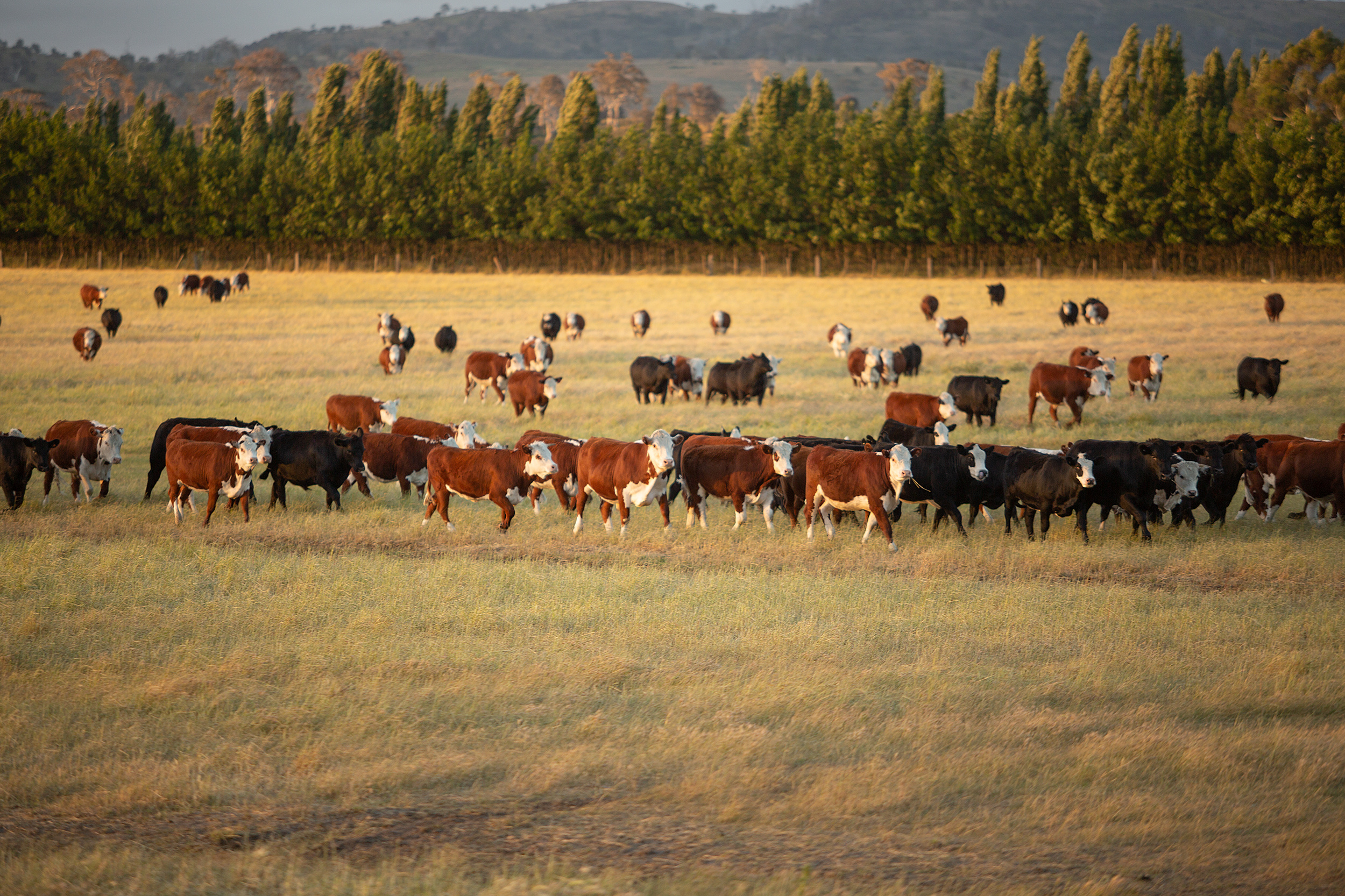
PHOTO: Beef cattle in pasture at sunset. (iStock │ #207406680 – Steve Lovegrove)