When growers want to push corn yields, the first thing many reach for is another 20 pounds of nitrogen. While higher yields do require increased nutrition, adding more N-P-K isn’t the only option.
In fact, more growers are seeing dramatic differences in yields by doing things differently – balancing primary, secondary and micronutrients to get more out of their program.
Strategy 1: Dial in nutrients where they’ll pay off
Pushing yield doesn’t have to mean adding inputs—especially in a market where the cost of those inputs outweighs the resulting profits. It’s more important to dial in the nutrients that will boost performance. Because nutrients interact with each other, a soil test is a critical step to learn which nutrients are in the soil in a plant-usable form, and where deficiencies or nutrient imbalances are present. This informs a crop nutrition program that delivers the best ROI.
In fields with higher pH soils, nutrients like calcium or magnesium may be in excess, but that can limit availability for nutrients like phosphate, iron or manganese. In another instance, zinc plays a direct role in phosphorus uptake, so a deficiency in one nutrient can limit the plant’s access to others. On the flip side, too much manganese can suppress iron availability. All of these micronutrients are essential for processes like photosynthesis, but imbalances in the soil can severely limit their availability.
Strategy 2: Shift nutrient applications to match crop demand
Applying nutrition up front is essential, but applying less at the beginning of the season can push higher yields and potentially lower costs. A fall application of phosphorus has the potential to get tied up ahead of planting and is less efficient than phosphorus banded close to the seed at planting.
Weather patterns, markets and crop conditions can change drastically throughout the growing season. Spoon-feeding crops with well-timed sidedress or foliar applications in season gives the grower more room to adjust and delay their risk. If the season turns dry or a field is not performing as anticipated in March, the plan can change with it.
Spoon-feeding also ensures nutrients get to the plant during peak demand, increasing uptake and reducing losses. Field trial data consistently show that well-timed, in-season applications translate directly to more bushels at harvest.
Strategy 3: Combine crop nutrition with other input passes
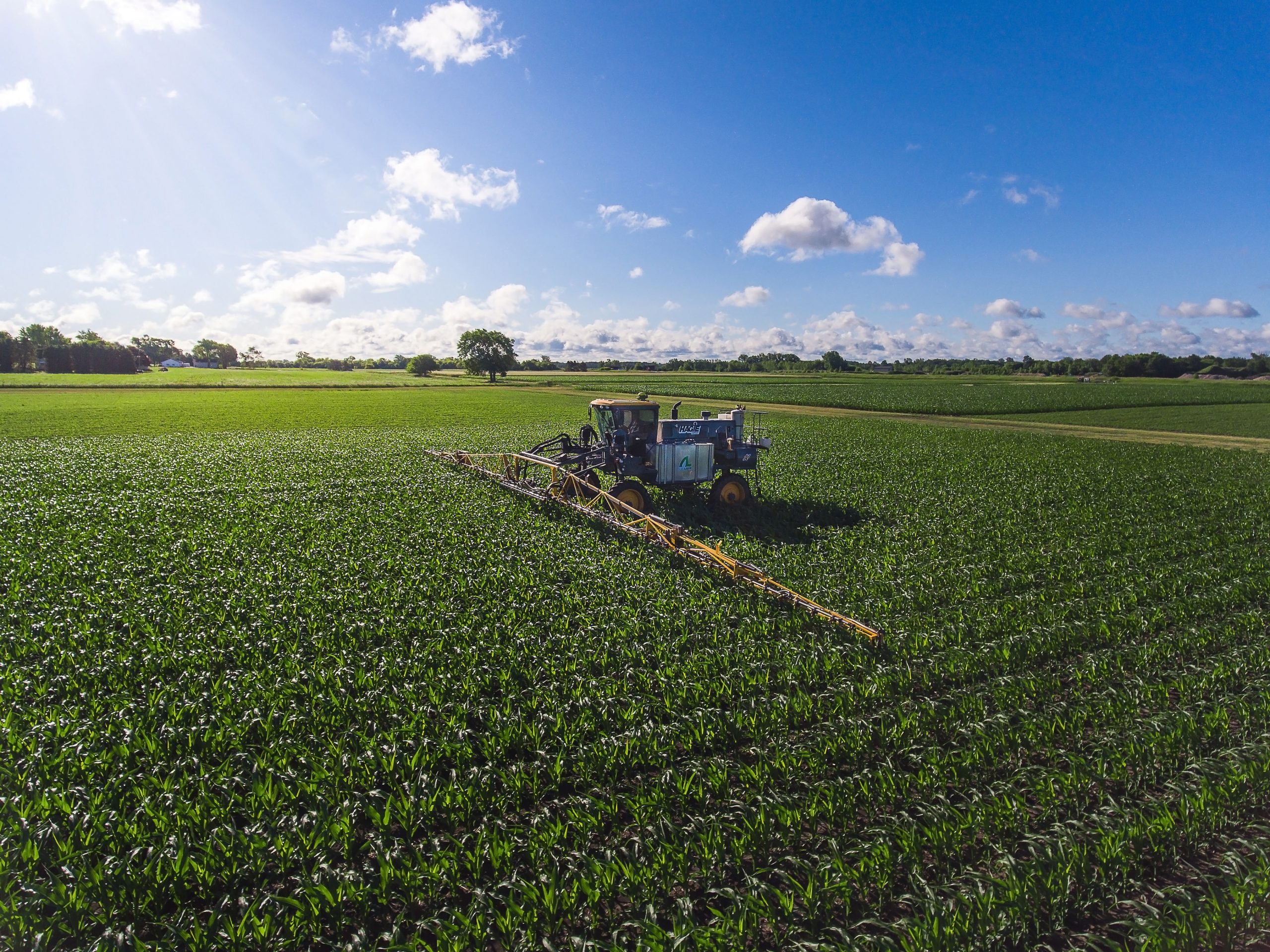
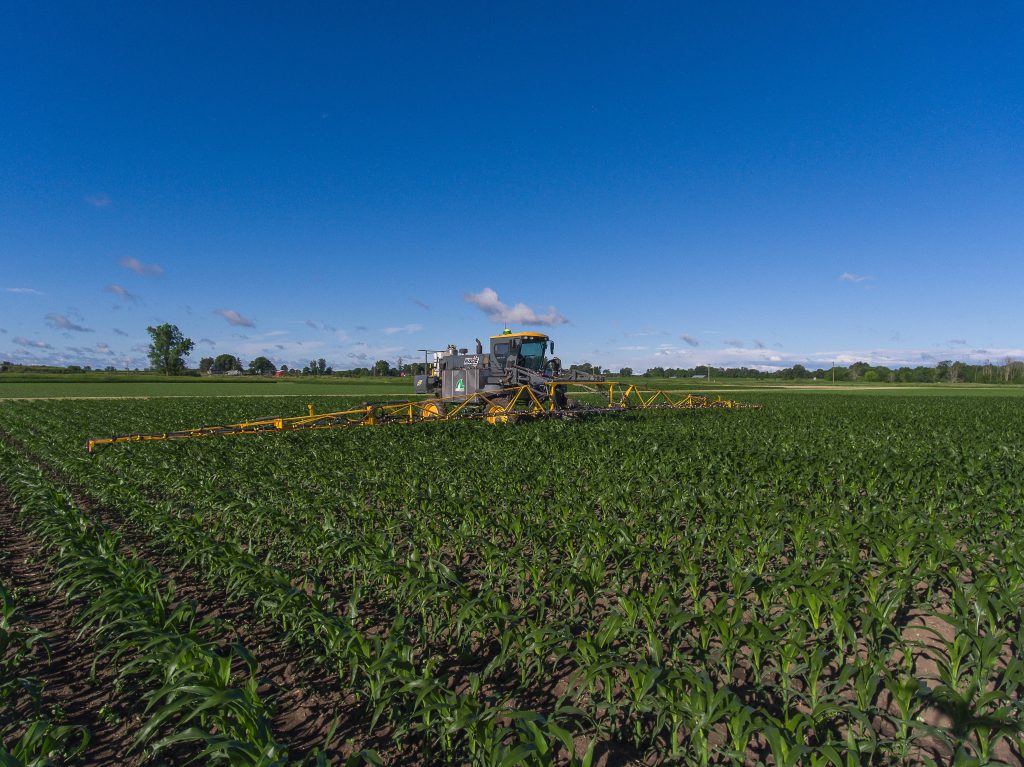
Most corn operations are already running a fungicide pass at some point in the season, especially as diseases like tar spot become more widespread. That pass is an opportunity. Adding foliar nutrition to a fungicide or herbicide application delivers nutrients to the crop without adding another trip across the field, minimizing time, labor and logistics.
There is a plant health benefit as well. Good fertility is one of the most effective ways to help a crop handle disease pressure. If sound nutrition builds a robust plant with a solid immune response before disease takes hold, that translates directly into bushels. Fungicides play a role, but a well-fed plant is better equipped to handle stress from the start. The longer the plant stays healthy and productive through the season, the more yield it can deliver.
Make every dollar work harder
Pushing yield higher starts with a sharper nutrition strategy that prioritizes the right nutrients, timing and placement over increased inputs.
A crop nutrition expert can help build a program around soil test data, in-season timing and application methods that fit the operation, so the investment goes where it will pay off.
Reid Abbott is a certified crop adviser and agronomist with AgroLiquid, where he has spent more than 15 years supporting growers and dealer networks across the Great Plains region.