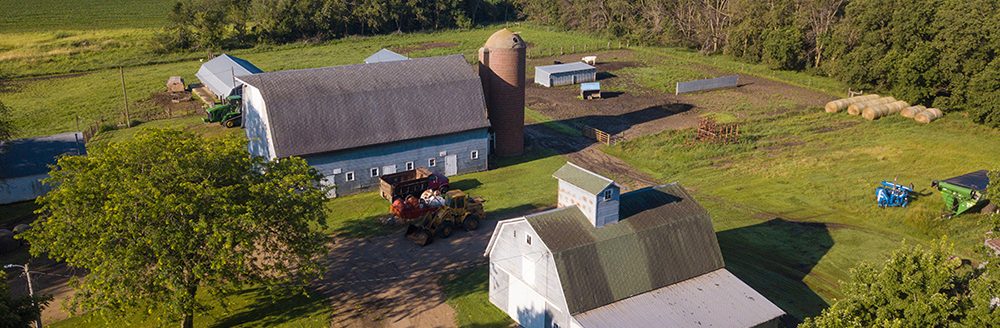
For generations, many farms and ranches have followed a familiar path. Parents build the operation, children grow up helping with chores or working cattle, and eventually the next generation takes over.

But today, that transition isn’t always guaranteed.
More producers are reaching retirement age without a clear successor waiting in the wings. Sometimes the next generation has chosen a different career. In other cases, family members may not be interested in running the operation full time.
Whatever the reason, it leaves many owners asking a difficult, but important question: What happens to the operation when I’m ready to step away? For producers who have spent decades building their farms or ranches, that can be an uncomfortable question to wrestle with.
That question is becoming more common across agriculture. More than half of United States farmers are over age 55, and industry estimates suggest nearly 68% do not have a formal succession plan in place.
Without intentional planning, that uncertainty can put decades of work—and the long-term future of the operation—at risk.
The good news is that succession doesn’t have to follow the traditional family model to work. With the right planning, producers still have several options for keeping their operations productive and moving forward.
Looking beyond the traditional family transition
When there isn’t an obvious next-generation family member preparing to take over, succession planning requires thinking a little more broadly about what transition could look like.
In many cases, producers have more options than they might initially think.
Some operations transition ownership to a trusted employee or management team that already understands the day-to-day business. Others may sell to a neighboring producer or another agricultural operator looking to expand. In some cases, a gradual ownership transition can be structured through partnerships or equity arrangements.
Each situation looks different, but the key is exploring the possibilities early.
“Each option requires careful planning, but they can also create opportunities to preserve your operation and reward the people who helped you build it,” said Lance Woodbury, a Next Gen adviser and family business expert at Pinion.
In many operations, long-time employees already play a critical role in keeping things running. Those individuals may have both the experience and the interest needed to step into leadership roles over time.
In other communities, younger producers may be looking for opportunities to grow, but lack access to land or established operations. A well-planned transition can sometimes create opportunities for both parties.
Why starting early matters
One of the biggest misconceptions about succession planning is that it can be handled with a few documents or a quick decision near retirement.
In reality, preparing a business for transition often takes years.
Owners need time to identify potential successors, work through financial considerations, and gradually transfer responsibilities so the next leader can gain experience running the operation.
Without that preparation, operations can face significant risks.
Important operational knowledge may exist only in the owner’s head. If something unexpected happens, employees or family members may suddenly find themselves trying to manage complicated decisions without clear guidance.
Financial pressure can also become a factor. When an operation must be sold quickly due to retirement, health concerns, or other circumstances, owners often lose the opportunity to explore the best possible options.
Starting early gives producers much more flexibility.
It allows them to evaluate different transition strategies, prepare potential successors, and ensure the transition supports both their personal financial goals and the long-term health of the business.
“If you’ve ever taken even a fraction of a moment to wonder what comes next for your personal or business goals, then now is absolutely the right time to establish a plan to reach those goals,” said Jim Rein, who leads Pinion’s Next Gen advisory team.
Starting the conversation
For many producers, the hardest part of succession planning isn’t the strategy, it’s simply starting the conversation.
That’s especially true when there isn’t an obvious successor already in place.
Producers in that position can begin by asking a few practical questions:
- Who could realistically lead the business in the future?
- Are there employees who could grow into leadership roles?
- Are neighboring producers or partners potential buyers?
- What financial outcome do I need from this transition?
These discussions can uncover opportunities that may not have been considered before.
“The earlier these conversations start, the more options people tend to have,” Woodbury said. “When owners take the time to plan intentionally, they’re much more likely to create a transition that works for both the business and the people involved.”
Agriculture is entering into one of the largest generational transitions the industry has ever seen. While not every operation will pass to the next generation of family, that doesn’t mean the legacy of the business has to end.
With thoughtful planning and open conversations, producers can ensure the operation they spent a lifetime building continues long after they step away.
The most important step is simply getting started—having those early conversations with family, ownership partners, and trusted advisers like your certified public accountant or attorney can open the door to options you may not have considered.
Editor’s note: Keaton Dugan, a certified public accountant, advises farmers and agribusiness owners on strategic tax planning, succession strategies, and long-term financial sustainability. Whether the goal is to expand operations, transition ownership, or optimize tax structures, Dugan draws on his experience as a trusted adviser and his background working on his family’s multi-generational farm to deliver practical, tailored solutions. Contact him at [email protected].
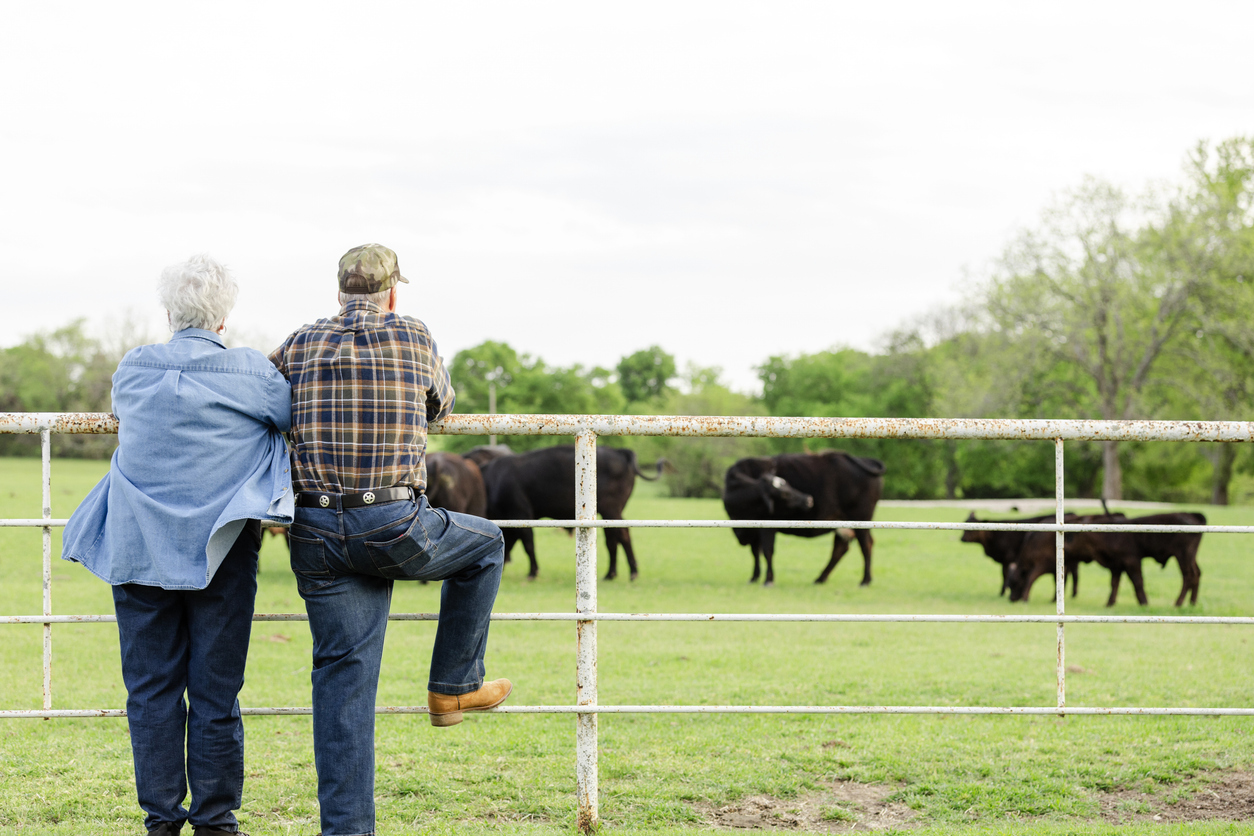
PHOTO: After a long day of farm chores, a senior adult couple stands by the fence to admire their herd of cattle in the pasture. (iStock-#2161180473 │ SDI Productions)