WASDE report signals higher global grain supplies and rising stocks
The U.S. Department of Agriculture on April 9 released its latest World Agricultural Supply and Demand Estimates report, projecting higher wheat supplies, steady corn outlook, and mixed changes across major commodities for the 2025-26 marketing year.
United States wheat supplies were raised on higher imports, while domestic use was slightly reduced due to lower seed demand. Exports were unchanged at 900 million bushels. Ending stocks increased to 938 million bushels, up 10% from a year earlier and the highest since 2019-2020. The season-average farm price was raised 5 cents to $5 per bushel.
Globally, wheat supplies increased to 1.103 billion metric tons on higher production in the European Union and Russia. Consumption was reduced, largely due to lower use in India, contributing to a rise in global ending stocks to 283.1 million tons.
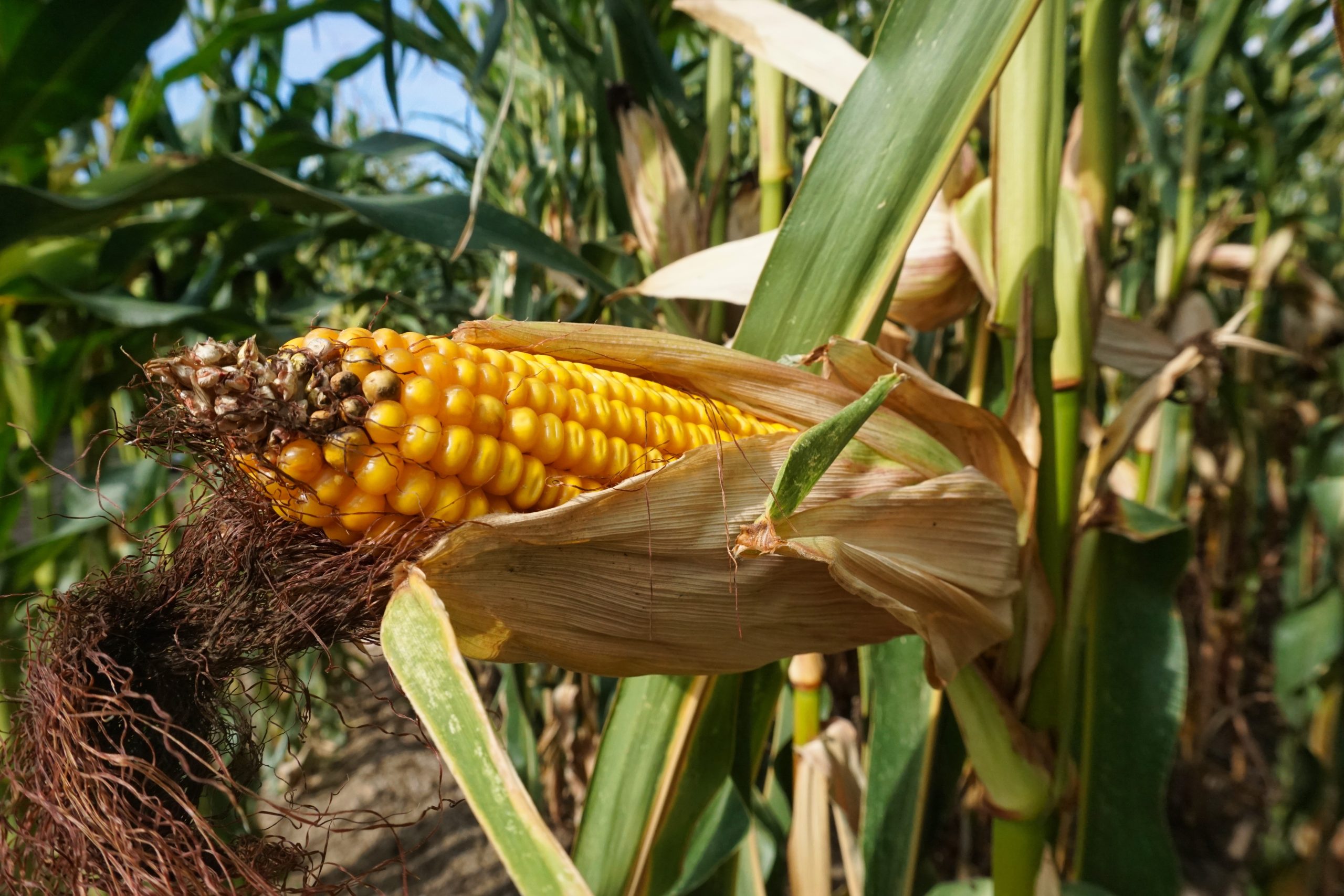
The U.S. corn outlook was unchanged, with feed and residual use holding at 6.2 billion bushels. The season-average price was raised 5 cents to $4.15 per bushel. Global coarse grain production increased to 1.598 billion tons, supported by higher output in countries including India and South Africa. Global corn ending stocks rose to 294.8 million tons.
In oilseeds, U.S. soybean crush was raised by 35 million bushels to 2.61 billion bushels, driven by stronger domestic meal use. Exports were reduced by an equal amount to 1.54 billion bushels due to competition from South America. Ending stocks were unchanged at 350 million bushels. The soybean price forecast rose to $10.30 per bushel. Globally, soybean ending stocks were slightly reduced to 124.8 million tons.
Cotton projections were largely unchanged domestically, though the season-average price was raised to 61 cents per pound. Global cotton production and consumption were both increased, with ending stocks also rising.
The U.S. sugar outlook showed higher production and imports offset by increased domestic use, leaving ending stocks nearly unchanged. Mexico’s sugar production was increased, with additional exports directed to markets outside U.S. quotas.
For rice, USDA projected lower U.S. domestic use and exports, leading to higher ending stocks of 55.3 million hundredweight, the highest since 1985-1986. The all-rice season-average farm price remained at $12.10 per hundredweight, with adjustments between long-grain and medium- and short-grain categories. Global rice supplies and stocks also increased, while consumption and trade declined.
In livestock, poultry, and dairy, USDA lowered its 2026 production forecast for total red meat and poultry. Pork and beef production were reduced, while broiler, turkey and egg production increased. Beef exports were lowered, while imports were raised on strong demand. Milk production was increased, and the all-milk price forecast was raised to $20.50 per hundredweight.
Overall, the report points to expanding global supplies and higher ending stocks across several commodities, alongside modest price adjustments and shifting trade patterns.