We have just finished our fall cleaning of the hoop barn we keep some pigs in.
There is a manure alley that needs scraped multiple times each year, which brings about contact with nature’s nutrients and the beneficial aspects they provide when placed in the right location. Interestingly, before it fell together this morning for this cleaning to take place, I had already been thinking about how “being dirty” is often misunderstood.
How many parents carry around hand sanitizer to lather all over little Johnny the minute he gets some dirt on his hands? How many of us had anything besides a bar of soap at the end of the day to scrub down when we were kids?
Along those lines, I will never forget the swine meeting I spoke at in Austin, Minnesota. My talk followed a person from the U.S. Department of Agriculture who was studying gut health and the biome of the pig gut. She said the research indicates “the most important time” in the health of a pig is from the time it is born until it latches on for that first meal.
The rooting, sucking and consumption of bacteria during those early minutes is what builds the health of the gut. One producer questioned this data because he hires people to capture newborns and dry them off before assisting them in finding their first meal saying, “Do you mean that person I hire to do that 24/7 is actually working against me?” To that she responded, “YES!”
In relating this back to human health, information along those lines is easy to come by such as research that concludes that individuals with yards rich in different plant varieties have different gut microbiomes. They have reduced levels of bacteroidetes and increased levels of firmicutes, which have been shown to lower the risk for obesity.
Then of course we have this from PubMed:
The fecal microbiota of the non-Amish (urban) infants had a greater relative abundance of Actinobacteria and Bacteroidetes phyla, while that of the Amish (rural) counterparts was dominated by Firmicutes. Amish infants had greater species richness compared with the non-Amish infants’ microbiota. The fecal microbiotas of the Amish and the non-Amish infants were successfully transplanted into germ-free piglets, and the diversity and structure of the microbiota in the transplanted piglets remained similar at phylum level but not at the genus level. Principal coordinates analysis (PCoA) based on Weighted-UniFrac distance revealed distinct microbiota structure in the intestines of the transplanted piglets.
A 2024 report from the BBC in the United Kingdom suggested the following:
The idea of more bacteria on our skin might not sound appealing. But when there’s a rich mix of microbes living alongside each other, they keep each other in check and defend us against more harmful, pathogenic bacteria. A growing body of research shows that contact with natural materials, like soil and plants, is an easy way to boost our skin’s microbial diversity, and that this not only benefits our skin, but also our immune system.
Mucky hands are the norm for children at Aurinkolinna daycare centre in central Finland. They spend at least a couple of hours every day playing outside in a wooded playground, racing between bushes and trees, climbing ropes, making sandcastles, splashing in puddles and grabbing fistfuls of dirt and woodchips.
A leader in this field from the Natural Resources Institute of Finland is Marja I. Rolund. Rolund et al. recently published the following in the British Ecological Society:
Scoping review on soil microbiome and gut health—Are soil microorganisms missing from the planetary health plate?
“Evidence suggests that soil microorganisms, to which humans have been exposed throughout our evolutionary history, were essential for the evolution of the human gut microbiome and immunological resilience. In recent decades, gut microbial diversity has decreased along with urbanization and global loss of biodiversity. At the same time, the prevalence of chronic, non-communicable inflammatory diseases has been increasing in urbanized societies.”
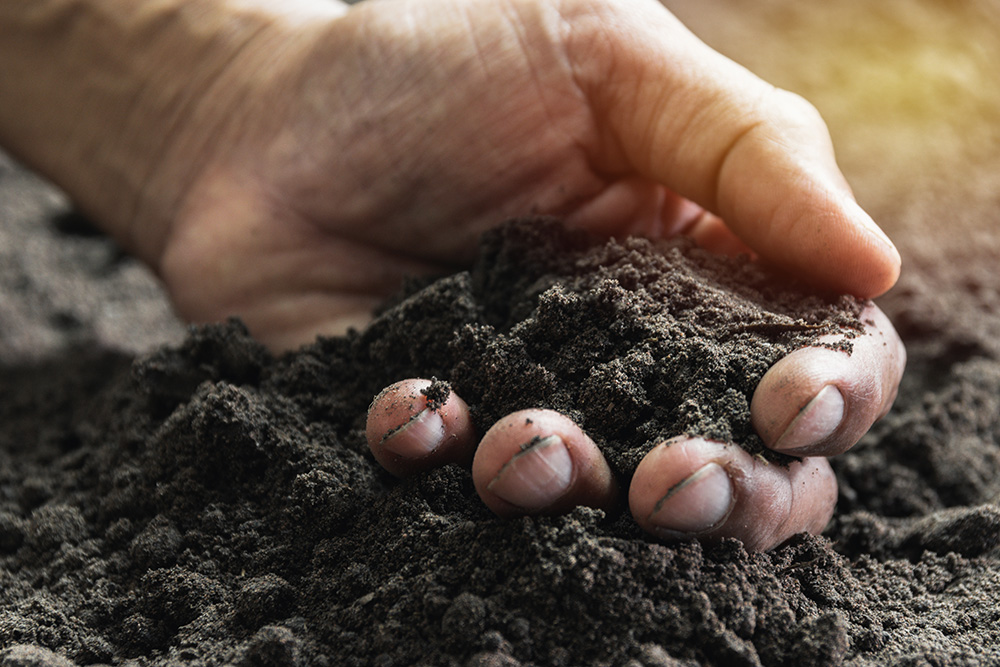
Healthy living through dirt is a real thing. I believe we all need to get back to getting our hands dirty every single day. In fact, the most interesting thing I have learned through this piece is that the time people spend building beautiful lawns and yards with a massive variety of plants is not just for the view but also improves their internal health. Just imagine the world if we all had a little more dirt in our day.
Editor’s note: The views expressed here are the author’s own and do not represent the view of High Plains Journal. Trent Loos is a sixth generation United States farmer, host of the daily radio show, Loos Tales, and founder of Faces of Agriculture, a non-profit organization putting the human element back into the production of agriculture. Get more information at www.LoosTales.com or email Trent at [email protected].