EIA, West Nile virus cases reported in Kansas
According to a July 23 news release, the Kansas Department of Agriculture Division of Animal Health has been notified of two separate cases in which horses in Kansas have tested positive for reportable diseases. The agency has responded to both incidents according to the state’s disease response plan.
Equine Infectious Anemia
A Sedgwick County horse had tested positive for Equine Infectious Anemia, and KDA was notified in mid-July by the National Veterinary Services Laboratory.
“The facility and all horses on the premises were placed under quarantine until further testing of all exposed horses was completed. Preliminary results indicate that there are additional horses testing positive,” according to the statement.
EIA is an untreatable disease and response actions are being taken accordingly. The remaining horses at the facility that tested negative will be observed and retested in 60 days. The positive symptomatic horse did die from complications associated with EIA.
KDA has identified a prescribed surveillance area within one-quarter mile of the affected premises and is working with local officials and horse owners to identify any other horses that may have been within that surveillance area.
EIA does not affect people, but it can spread to horses, mules and donkeys. The virus can be transmitted from an infected equine to a “clean” equine by biting flies, the use of unsterilized or contaminated medical instruments, or through a blood transfusion. Clinical signs of EIA include fever, anemia and edema; however, affected horses may not show symptoms. EIA can be fatal in horses. All infected horses, including those which are asymptomatic, are carriers of the disease.
According to the news release, typically a small number of cases of EIA in the United States are reported every year, although the disease is common in other parts of the world.
EIA is controlled in the U.S. by regular testing before traveling across state lines and/or exhibition. The test for EIA is commonly called a Coggins test. This spring, KDA expanded regulations to require a negative Coggins test be completed within the previous 12 months for horses that are changing ownership or are used for exhibition purposes. These regulations are in addition to the previous requirement of a negative Coggins test for horses entering Kansas.
West Nile Virus
A Harper County horse has been confirmed with West Nile Virus, according to the KDA Division of Animal Health.
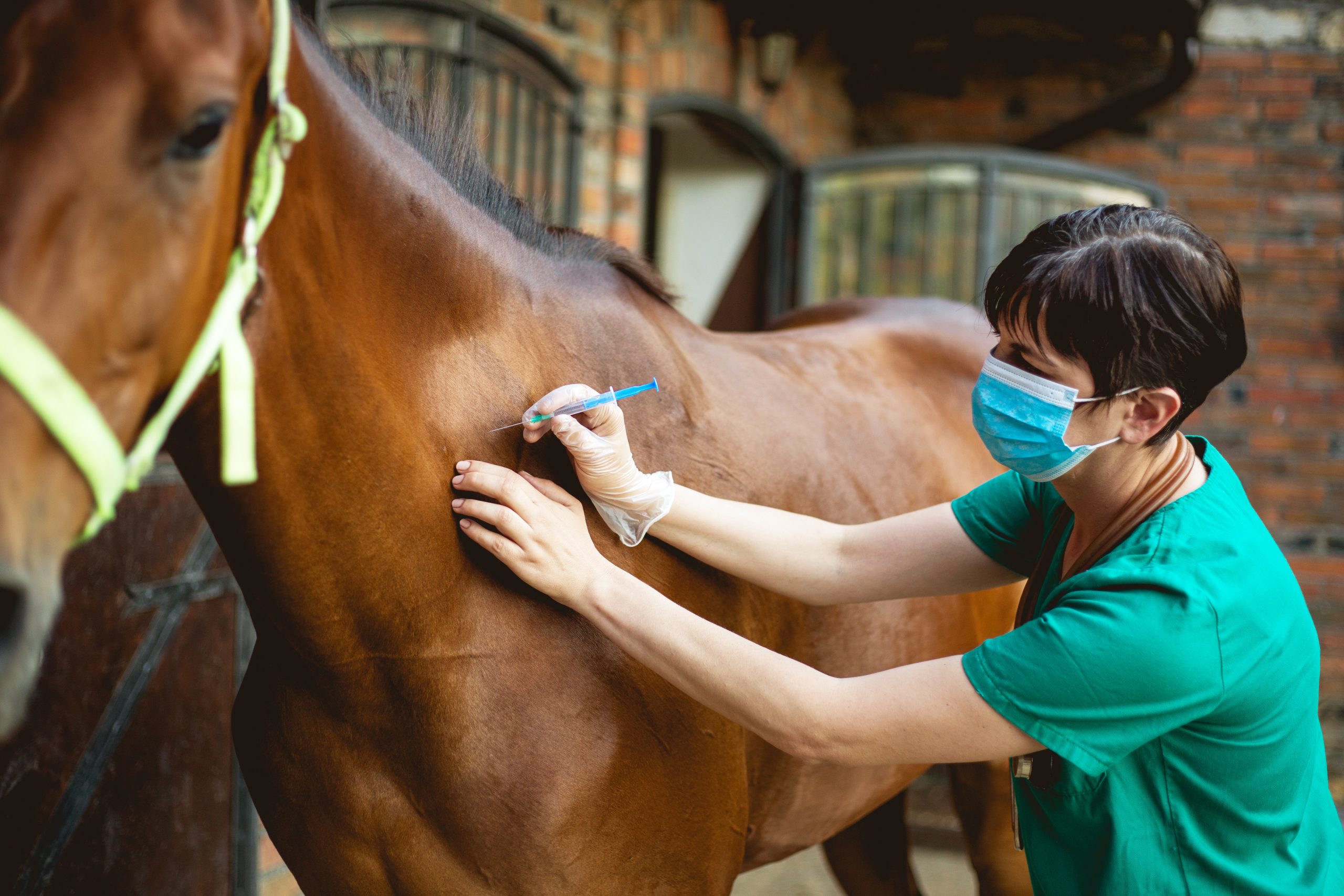
“WNV is a preventable disease, with annual vaccinations that have proven highly effective,” the statement reads. “The infected animal was not current with its vaccinations but is responding favorably to treatment. All horse owners should consult with their local veterinarians and make a vaccination plan for their horses.”
WNV can infect humans, horses, birds and other species. Horses infected with WNV can have symptoms that range from depression, loss of appetite and fever to severe neurologic signs such as incoordination, weakness, inability to rise, and hypersensitivity to touch or sound. WNV can be fatal in horses. If you see symptoms of WNV in your horse, contact your veterinarian immediately.
The virus is carried and transmitted by mosquitoes; although both horses and humans are susceptible, it is not directly contagious from horse to horse or from horse to human. Horse owners should work diligently to reduce the mosquito populations and their possible breeding areas, including removing stagnant water sources and using mosquito repellents.
WNV is a reportable disease in Kansas, which means the law requires any confirmed case must be reported to the KDA Division of Animal Health.
For more information about EIA, WNV, or other animal disease issues in Kansas, go to the KDA–DAH website at agriculture.ks.gov/AnimalHealth. If you have questions, please call KDA–DAH at 785-564-6601.
Kylene Scott can be reached at 620-227-1804 or [email protected].
Related coverage and resources
- Related on HPJ: Equine Infectious Anemia confirmed in Nebraska horse
- Related on HPJ: Equine disease cases remind livestock owners to be vigilant
- Outside resource: American Association of Equine Practitioners