

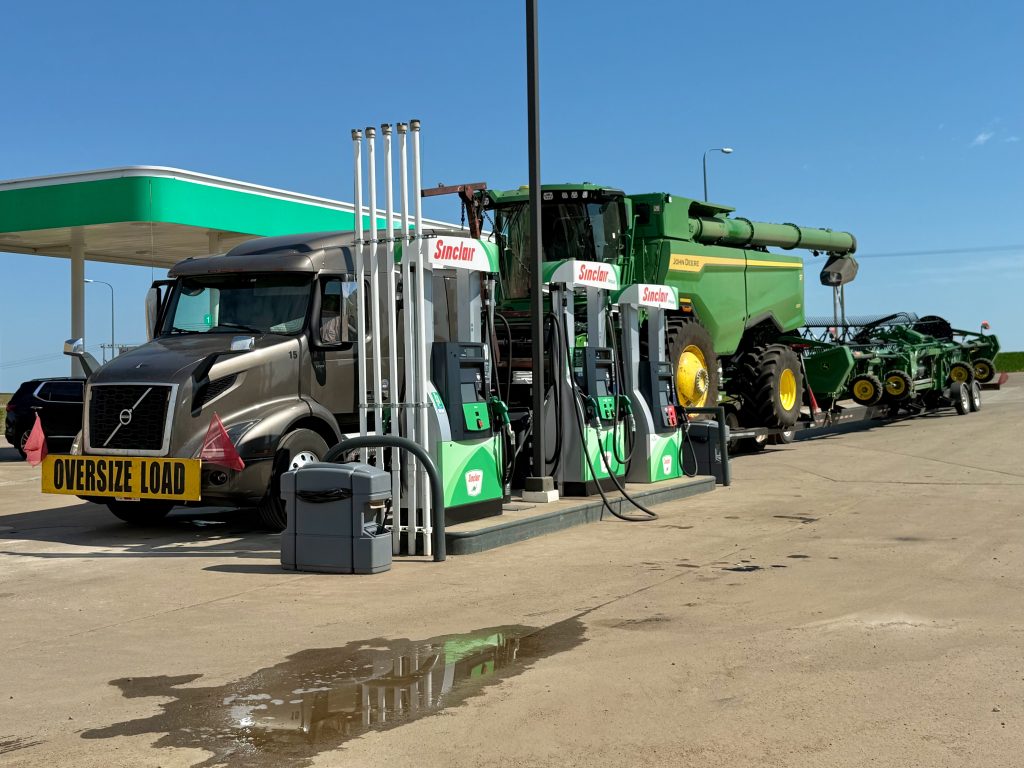
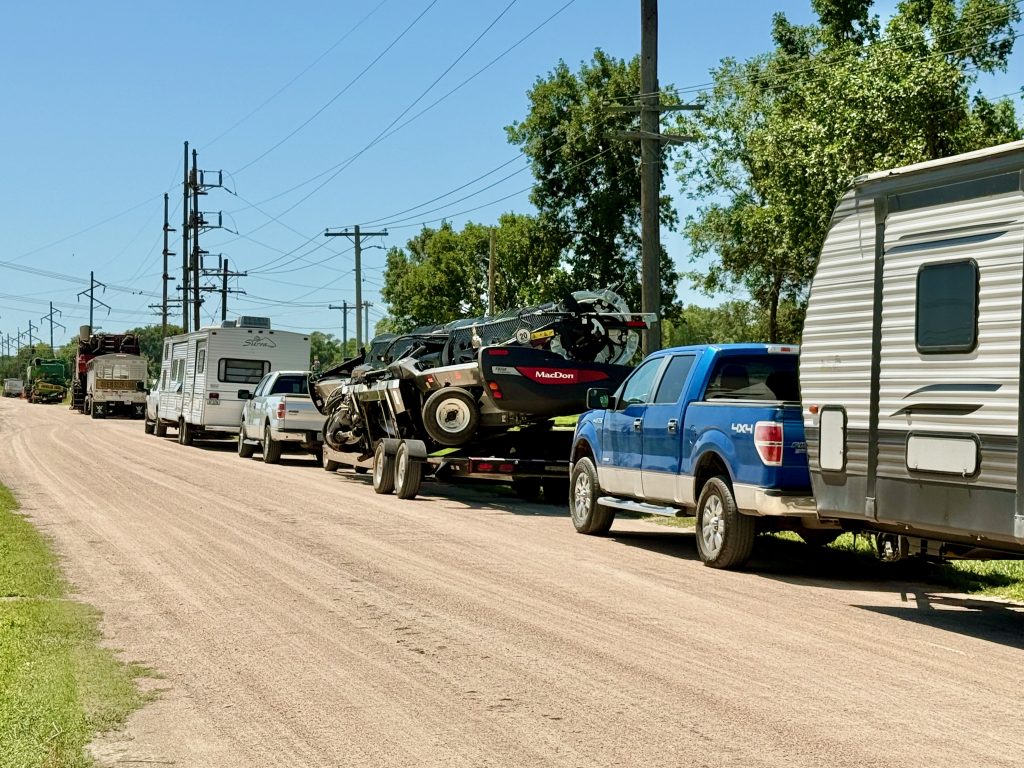
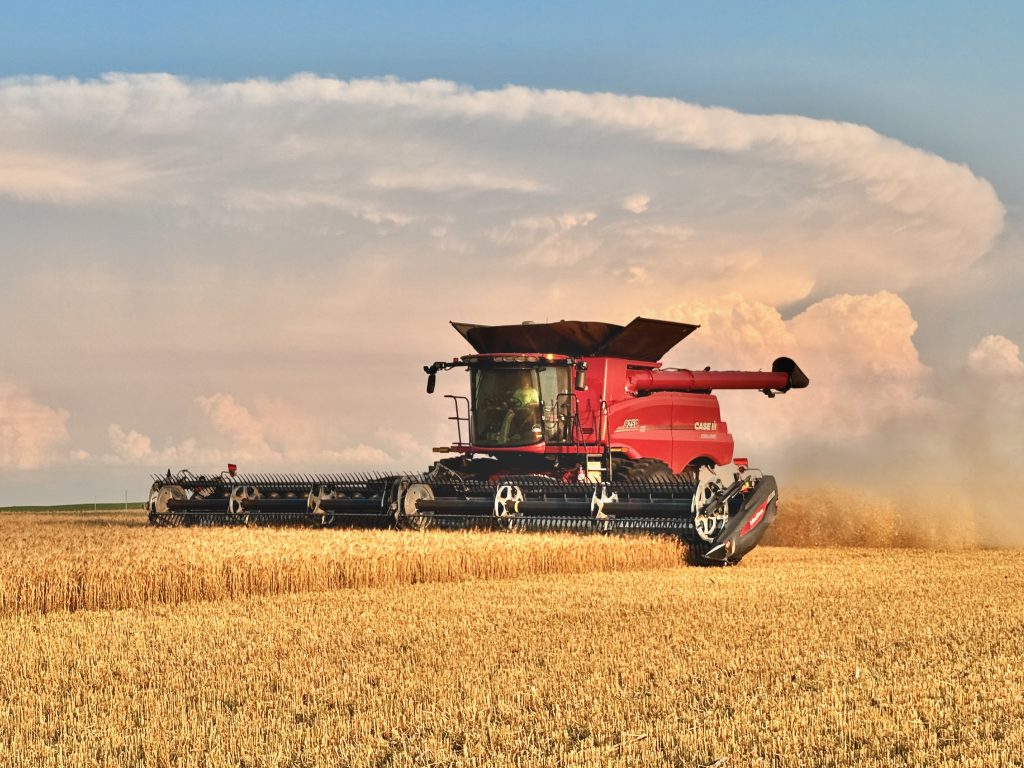
Onida, SD – The past few weeks have been unusual, unwanted and unavoidable. Rarely do we find ourselves sitting still for such a long period of time, but the weather really screwed up our harvest schedule this year. Drought rendered our services unneeded in Nebraska, and winter kill eliminated our winter wheat acres in South Dakota. An attempt to find new work in Presho, SD, to fill our harvesting gap proved unsuccessful. While we enjoyed our week-long stay at an exceptionally nice campground there, eventually we packed up and pulled equipment to Onida, SD.
Finding replacement acres isn’t what it used to be. Go back 25 years and local “harvest offices” served as a hub where harvesters could call in and connect with famers who listed their acres needing cut. You had good success with “for hire” signs posted in the windshields of equipment, and flyers posted at the local elevator on the bulletin board often generated work. But times have changed, and now it’s all about long-term relationships and leveraging a network of contacts developed over decades.
But perhaps the real change is what crops are being grown. Everywhere you look in South Dakota, green is the new gold. Row crops like corn, soybeans and sunflowers have displaced wheat in a major way. In just ten years the amount of wheat planted in South Dakota has decreased by around 30%. Add together the number of corn and bean acres planted in the state for 2025 and it’s nearly eight times more than the total wheat acres planted. That’s a monumental shift, due in large to the disparity of profit per acre. This year it is estimated corn has the potential to earn a farmer two times more income than raising wheat. Shifting market demands, weather patterns, input costs and improved crop genetics are driving change across the country, and there are over forty percent fewer farms across America growing wheat compared to twenty years ago. Every custom harvester will tell you the demand for their services has decreased in the summer but increased in the fall.
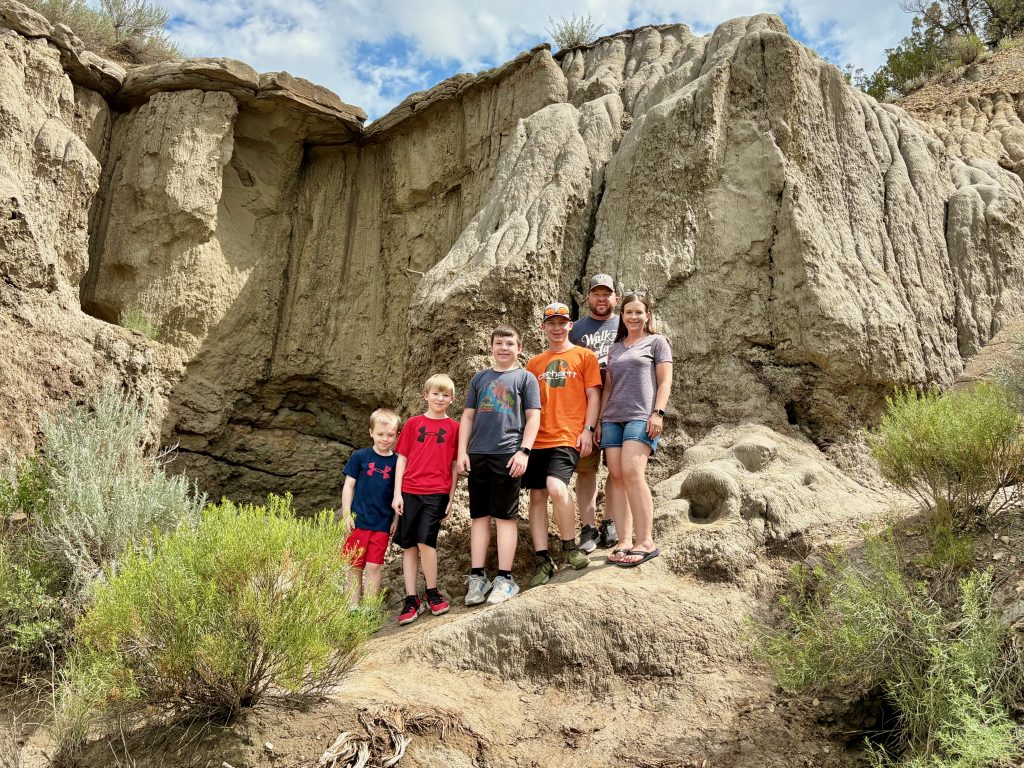
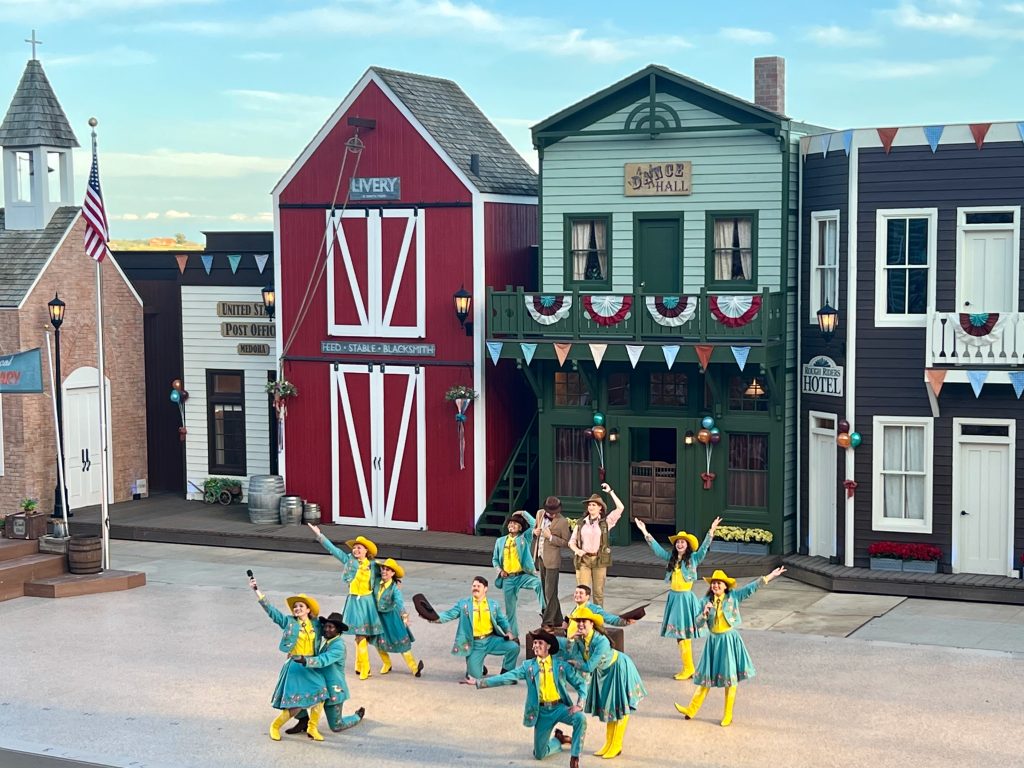
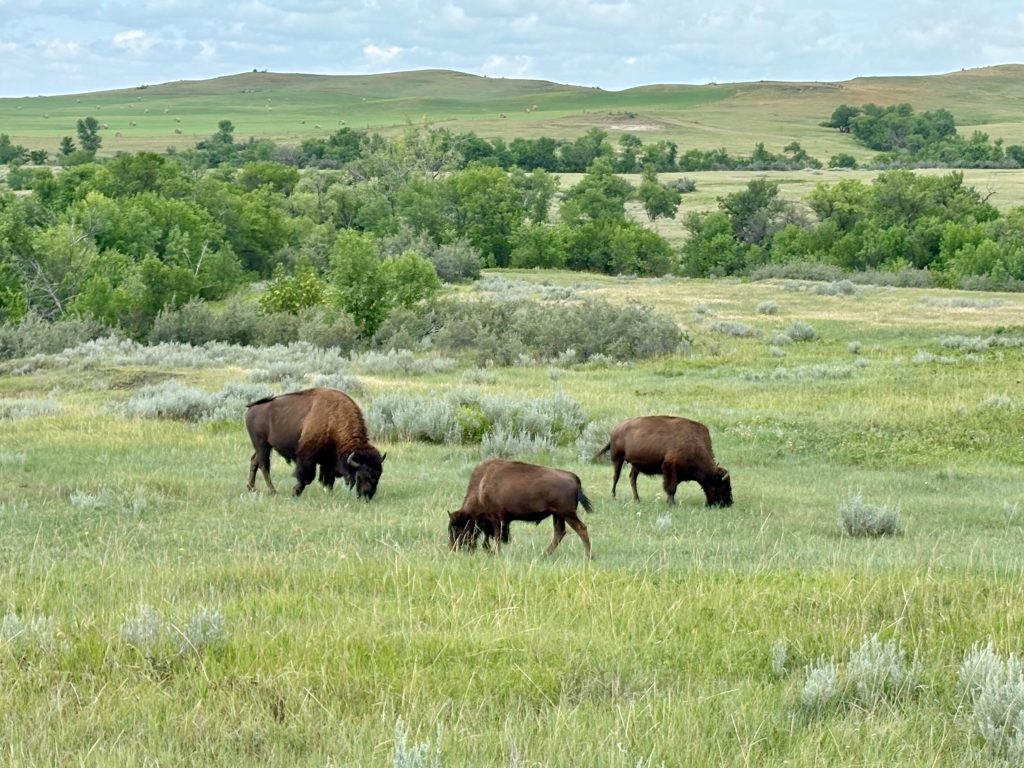
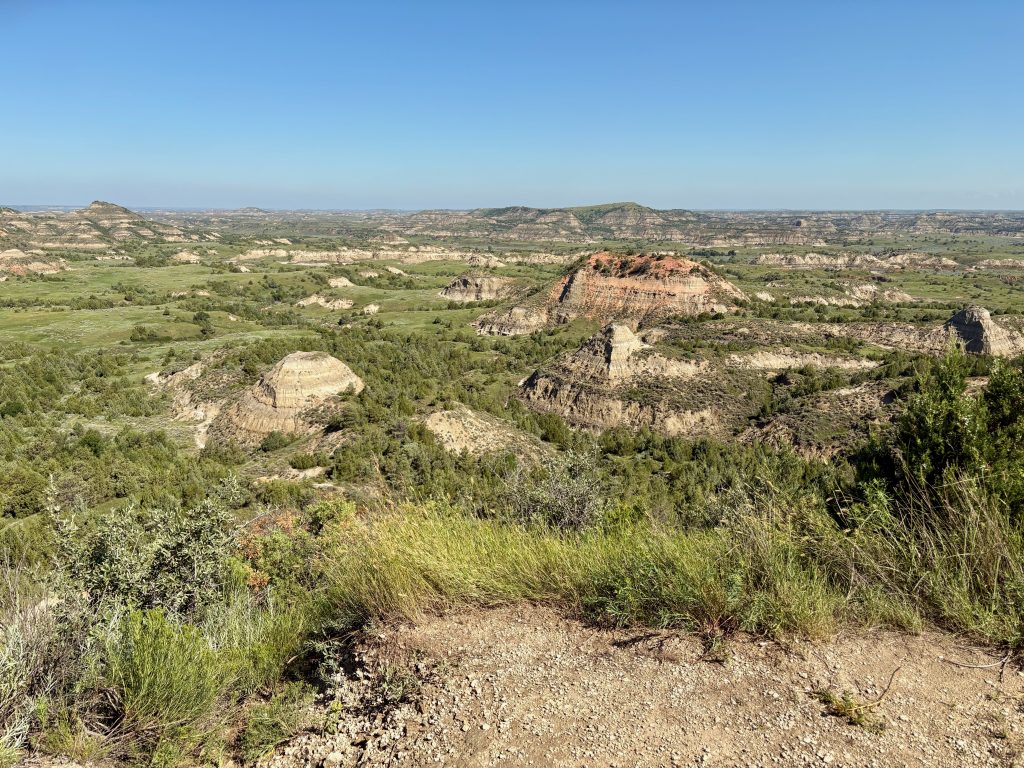
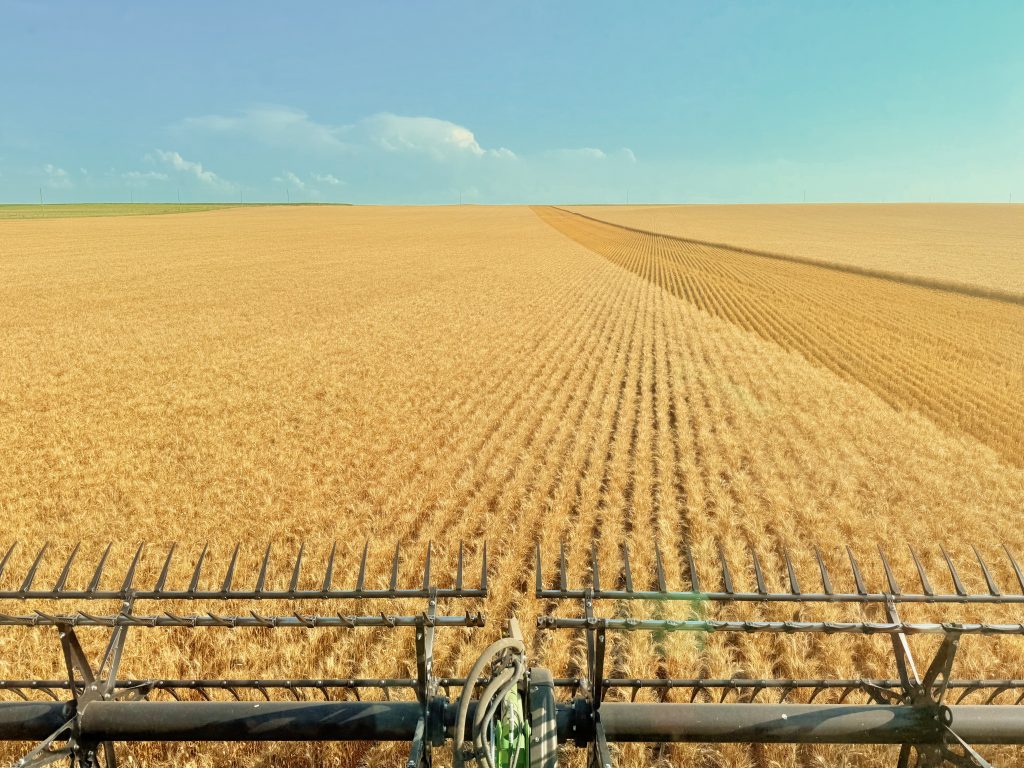
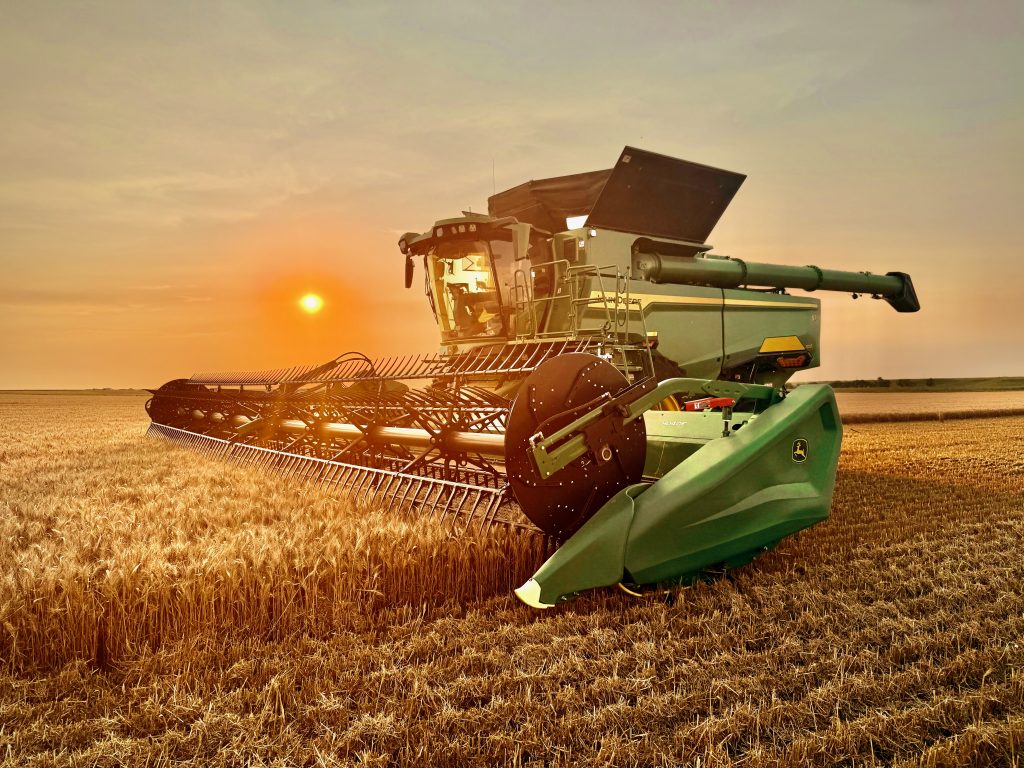
While waiting for spring wheat to ripen, the crew took advantage of the time off. David and I headed back to Minnesota and Iowa to check on our farms. The rest of the crew loaded up for North Dakota and visited Medora and the Theodore Rosevelt National Park for a few days. While we have enjoyed time off with the family, we’ve grown restless. Thank goodness we have have finally put this long harvest hiatus behind us and have started cutting spring wheat here.
Thank you to our 2025 All Aboard Wheat Harvest sponsors: High Plains Journal, New Holland, Merit Auctions, Oklahoma Wheat Commission, Kramer Seed Farms and U.S. Custom Harvesters.

Related coverage and resources
- Related on HPJ: Brian: Humidity Hurdles
- Related on HPJ: Brian: Spring has sprung
- Outside resource: South Dakota State University Extension



