As we headed into one of our last three-day weekends of the year, it was a good time to reflect on both the history and current traditions of Labor Day.
Typically considered the “unofficial end of summer,” Labor Day is intended to celebrate American labor and hard work that is done by the everyday blue-collar workers that keep our country moving forward.
Labor Day has strong original ties to labor unions in the late 1880s that were battling for eight-hour work days for primarily German and Bohemian immigrants that worked 60-hour weeks for $1.50 a day, typically six day work weeks. The first unofficial Labor Day parade took place in New York City on Sept. 5, 1882, with nearly 25,000 union workers and family members enjoying a parade where they marched then filled a park and celebrated for most of the day.
In 1887, Oregon instituted the first Labor Day holiday on the first Monday of September to be followed by 29 other states before Democratic President Grover Cleveland finally made it a federal holiday in 1894. His efforts were partly a way to quell union labor riots that were springing up around the country in support of the eight-hour workday, including recognition of the Haymarket Square incident that took place in Chicago, Illinois.
According to the Bureau of Labor and statistics of the United States government, unemployment is defined as people waiting to start a new job must have actively looked for a job within the last four weeks in order to be classified as unemployed. Otherwise, they are classified as not in the labor force.
Unemployment, especially in the Midwest is extremely low, according to their figures with South Dakota No. 1 at 1.9%, Nebraska sixth at 3% and Kansas 26th at 3.8. Meanwhile, California is 50th at 5.5% and Washington, D.C., is at the bottom with 6% unemployment.
Unemployment may be low, by the numbers, but there is clearly a major labor shortage in nearly every industry across the country from food service to nursing, teaching to electrical and everything in between. We’ve got more people so why don’t we have more laborers? Compound that with the H2A worker disaster, created by that same Department of Labor, and the migrant workers that are being swept up in Homeland Security Secretary Kristi Noem’s big wide, indiscriminate net, and you have a challenge getting workers to do the tough jobs. The white collar “positions” are not going to put food on tables or a roof over families.
Our Labor Day was spent cleaning out a corner of the old dairy barn and making ready for the arrival of our Jersey baby and some farm fresh milk. As you get to enjoy some end of summer family time, thank a hard-working American that’s a true unsung hero in keeping our country moving forward. Take in a parade or a pow-wow, hit the lake, catch a sporting event and throw some protein on the grill and treasure the time with those that matter most to you. Happy Labor Day.
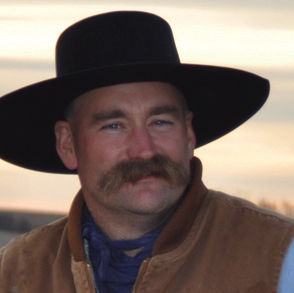
Editor’s note: The views expressed here are the author’s own and do not represent the views of High Plains Journal. Trent Loos is a sixth-generation United States farmer, host of the daily radio show “Loos Tales” and founder of Faces of Agriculture, a non-profit organization putting the human element back into the production of food. Get more information at www.LoosTales.com, or email Trent at [email protected].